Aug 19,2026
Top Experienced Companies Providing Mobile Protection Products Worldwide
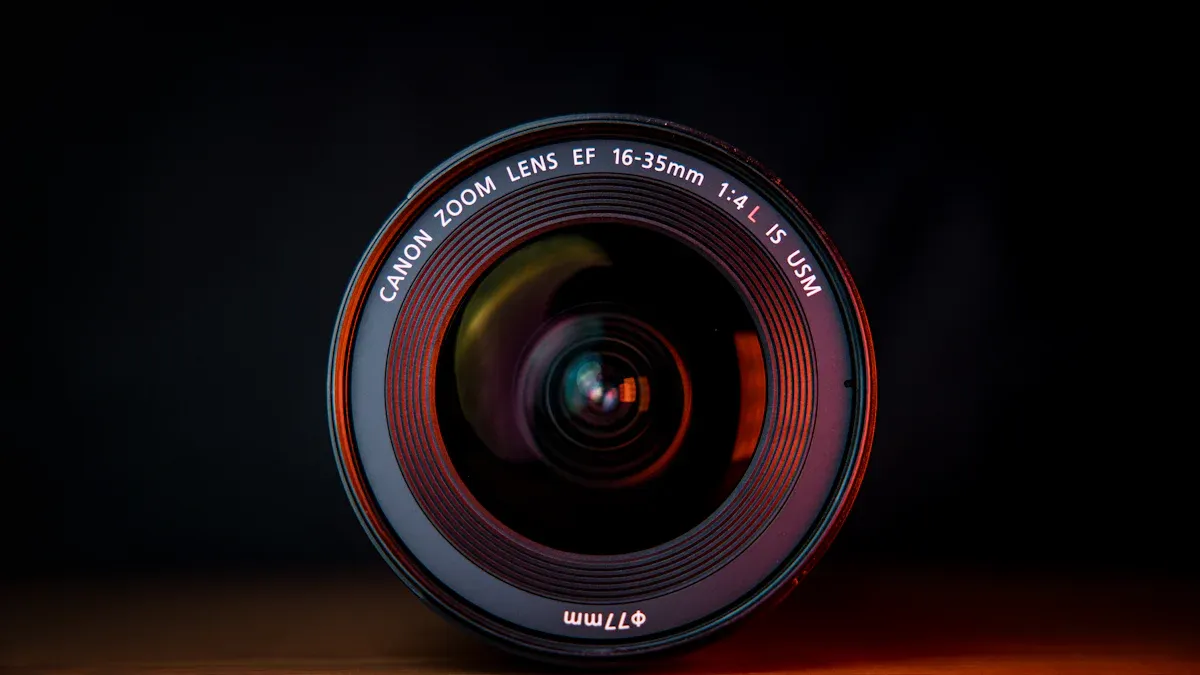
Smartphone camera lenses are always at risk from drops, hard hits, and sharp objects. Even small scratches or cracks can permanently damage image quality. Protecting these exposed glass surfaces requires special camera lens protector solutions, not regular screen films.
Five companies lead this niche market: ZAGG (InvisibleShield), Spigen, Whitestone Dome, amFilm, and Ringke. Brands like X·ONE, SXET, and JETech also offer quality options, but this article focuses on the five most trusted names. Each brand offers different materials, durability ratings, and installation methods. Readers can compare their strengths and choose the right shield for their device.
Camera lens protectors help avoid expensive repairs and keep your photos sharp.
ZAGG gives you tough protection against drops and clear glass for great photos.
Spigen gives a perfect fit and fights off fingerprints with a special coating.
Whitestone Dome uses a UV glue that seals the camera bump to keep dust out.
amFilm gives you two protectors for a low price, and Ringke makes them easy to put on with a frame.
Normal screen protectors cover the front display. They do not reach the camera bump on the back. This leaves the most costly glass on a phone totally open. Special camera lens protector solutions fix this with custom shapes and better materials.
The market for these products has become very advanced. X·ONE, for instance, holds over 180 patents and awards. The company uses hybrid polymer impact protection and strong tempered glass. Its DNA Guard technology gives 6-meter drop protection. These new ideas show how far lens protection has come. Five companies now lead this niche: ZAGG, Spigen, Whitestone Dome, amFilm, and Ringke. Each brand brings different strengths in materials, durability, and installation.
Camera lenses sit on the weakest part of a phone. A drop on a hard surface often hits the raised camera bump first. The glass can crack or shatter. Scratches from keys, coins, or rough surfaces also lower image quality over time. Protecting the camera lens stops these costly problems.
Repair costs differ a lot by route. Apple charges $169 to $249 for out-of-warranty lens repairs. AppleCare+ lowers that to $99. Third-party shops charge $40 to $150. A DIY kit costs $10 to $50. These numbers show why prevention matters. A good protector costs much less than any repair.
Repair Route | Cost Range |
|---|---|
Apple (Out-of-Warranty) | $169 - $249 |
Apple (with AppleCare+) | $99 |
Third-Party Shop | $40 - $150 |
DIY Kit | $10 - $50 |
A cracked lens also hurts photo sharpness and causes glare. Dust and moisture can get in through cracks and harm internal components. For anyone who uses their phone camera every day, a protector is not optional. It is key protection for a critical investment.
ZAGG makes the InvisibleShield line with military-grade protection. The company designs these products for tough conditions. The LensGuard model uses real glass, not plastic film. A special glue holds the glass tight against the camera bump. This glue stops air gaps and keeps dust out. ZAGG tests its products for drops, scratches, and impacts. Users trust ZAGG to protect their costly phone cameras.
The LensGuard glass has very clear glass. Photos are sharp, with no blur or distortion. An anti-reflective coating cuts glare from sun and indoor lights. This coating helps the lens take clean pictures in bright light. ZAGG's anti-glare protector keeps photos free of light streaks. The glass also resists scratches from keys or coins you touch it with. ZAGG applies these coatings at the factory. This makes a protector that keeps image quality and adds a strong barrier.
ZAGG uses DNA Guard tech in its InvisibleShield products. This tech absorbs shock across the glass. The company says the protection works for drops up to 6 meters. That covers most everyday falls, like dropping a phone on concrete. The glass bends a little on impact and spreads the force away from the camera lens. A stronger edge adds more defense. Users feel sure their camera lens can survive hard falls. ZAGG mixes this impact protection with clear glass. The final product protects both image quality and the lens under it.
Spigen is known for making protectors that fit each phone perfectly. The company shapes every camera lens protector to match one exact phone model. This exact fit lowers the chance of crooked placement when you put it on. You do not have to guess where it should go. The protector clicks right into place over the camera bump. Spigen also puts installation tools in many of its packages. These tools help you line up the protector with no dust or bubbles. Because the fit is so good, it is a top pick for anyone who wants a fast, dependable fix. Spigen makes protectors for most big smartphone brands, like Samsung, Apple, and Google.
Spigen uses tempered glass with a 9H hardness rating. This rating means the glass stands up to scratches from keys, coins, and other sharp things. The 9H level comes from the pencil hardness scale, where 9H is the hardest grade people commonly use. A protector with this rating can take daily contact without showing marks. Spigen’s glass also stays thin. It does not make the phone feel bulky. The exact cutouts line up with the camera lenses just right. Each lens gets its own opening. This design keeps the protector from hurting photo quality. You can take clear, sharp pictures with no distortion. The glass also has an impact layer. This layer helps soak up shock if the phone falls. Putting 9H hardness and custom cutouts together gives strong, lasting protection.
Spigen puts an oleophobic coating on its camera lens protectors. This coating pushes away oils from fingers. It cuts down on fingerprint smudges and keeps the lens area clean. You do not have to wipe the protector very often. The coating also makes the surface feel smooth. This smoothness helps when you clean it. A simple cloth wipes off dust and grease with ease. The oleophobic layer does not rub off fast. It keeps working for months of normal use. Some Spigen models work with cases from other brands, like Ringke. This means you can put on a protector without taking off your case. The fit stays tight, with no gaps for dust or moisture. Spigen’s care with coating and case fit adds ease for everyday users. The protector stays clear, clean, and working for a long time.
Whitestone Dome is known for using hybrid glass and LOCA UV glue. This mix fills small gaps and stops dust from reaching the camera lens. The company makes protectors that stick directly to the phone surface. Users get a tight seal that stays clear for a long time.
LOCA means liquid optically clear adhesive. Whitestone Dome puts this liquid glue on the protector before you install it. You place the glass over the camera module and let the glue spread. Then a UV light hardens the adhesive. This process turns the liquid into a solid bond. The glue fills small scratches and rough spots on the original lens surface. Air bubbles and dust cannot get trapped under the glass. The result is a smooth, clear layer that does not harm photo quality. This method has more steps than peel-and-stick protectors. But it makes a stronger hold that does not lift at the edges.
Whitestone Dome covers the whole camera module, not just the lenses. Many other brands make small rings that only go over each lens. Those designs leave gaps between lenses where dust and moisture can get in. Whitestone Dome's edge-to-edge way seals the whole bump area. This full cover stops dirt from getting in through the sides. The company shapes each protector for a specific phone model. The fit matches the exact curves and corners of the camera housing. imos, a Taiwan brand, also uses full-cover technology with UV glue. Both brands want a smooth look that fits the phone's original design. Users who want the most dust protection often pick this style. The edge-to-edge design also keeps the protector from snagging on pockets or cases.
amFilm sells camera lens protectors for a low price, but the quality is still good. This brand works on giving steady protection for people who use their phones every day. Many other brands charge more for just one protector. amFilm does something different. The company puts two camera lens protectors and two screen protectors in one pack for $9.99. This multi-pack plan helps more people buy the product. Users can guard a phone and still have a spare set. Even with the low price, amFilm does not leave out key features. The protectors come with tempered glass, oleophobic coating, and tools that make installing easy.
Every amFilm camera lens protector is made of high-quality tempered glass that is 0.33mm thin. This slim design sits close to the camera module and does not add much bulk. Users do not feel a bump or edge when they touch the back of the phone. The thin glass also keeps photo quality sharp. Light goes through the protector with no blur or color change. amFilm does not trade strength for thinness. The glass still guards against scratches and drops. Things you use every day, like keys or coins, cannot scratch the surface. The oleophobic coating adds one more layer of defense. This coating pushes away fingerprint oils and keeps the lens area clean. Users wipe off marks with a simple cloth. The glass stays clear for as long as the protector lasts.
amFilm pairs a 9H hardness rating with a low price. The 9H rating means the glass fights scratches from hard objects. Users get the same hardness that premium brands like Whitestone Dome have. The difference is in how you install it. Whitestone Dome uses a liquid glue and a UV curing process. amFilm uses patented auto-alignment technology. This system helps users put the protector in the right spot without measuring or guessing. The protector sticks down flat with no bubbles. The whole process takes less than a minute. Users do not need UV lights or special tools. For anyone on a budget, amFilm gives solid protection without hard steps. The multi-pack offers extra value. Users can share a set with a friend or save a backup for later.
Ringke is different in the camera lens protector market because of its align-fit frame. This design makes it easier to install for people who have trouble with small, exact placements. The company also makes its protectors with a multi-layer structure. This structure mixes tempered glass and polymer materials for stronger defense.
Ringke puts an alignment tool in the package. This tool holds the protector in the right spot over the camera bump. Users put the frame on the phone first. Then they press the protector down through the frame's guide. The frame keeps the glass straight and centered. This process takes the guesswork out of installation. Users do not need steady hands or special skills. The frame does the hard work for them.
The alignment tool also stops common mistakes. Dust and air bubbles often show up when a protector goes on crooked. Ringke's frame lowers that risk. A clean, flat fit keeps the camera lens clear. Users get a professional result at home. The frame can be used again for future protector changes. This small tool makes a big difference for anyone who wants a fast, clean install.
Ringke uses a multi-layer structure in its camera lens protectors. The top layer is tempered glass. This glass resists scratches from keys, coins, and rough surfaces. Under the glass, a polymer layer soaks up shock from drops. This combination spreads impact force away from the camera lens. The design borrows from honeycomb structural principles. X·ONE also uses honeycomb structural design in its protection products. This pattern adds strength without adding much weight. The layers work together to guard the lens from daily hazards.
Ringke also makes its protectors work with many phone cases. Users do not need to take off their case to install the protector. The slim profile fits under most case edges. This case-friendly design keeps the camera bump covered and the phone protected. The multi-layer build stays thin. It does not block the lens or hurt photo quality. Users get strong protection without bulk. Ringke combines easy installation with solid defense. This makes the brand a practical choice for everyday phone users.
The five brands above sell ready-made protectors for popular phone models. But some devices need a custom phone camera lens protector. Phones with odd-shaped lens bumps, older models, or pro gear often do not fit standard sizes. A custom solution fills that gap.
Material choice shapes protection and clarity. SXET uses Gorilla Glass for scratch resistance. Dragontrail Glass gives similar strength for many Android phones. X·ONE builds hybrid polymers that take shock without adding bulk. These materials suit different needs. A photographer who often drops gear may want hybrid polymers. Someone who worries about scratches may pick Gorilla Glass.
Neoprene covers serve a different use. These sleeves protect lenses during storage and travel. Standard neoprene balances stretch and toughness for general photography. Super-stretch neoprene stretches up to 400% for a tight fit on odd-shaped lenses. CR neoprene with nylon laminate resists wear. Flame-retardant neoprene meets UL94 rules for factory use. Each option fits a specific job.
Custom fit matters for older phone models. Makers stop making protectors for these devices after a few years. A custom phone camera lens protector keeps an old phone usable. Rugged cases also create fit problems. Thick case edges can push against standard protectors and cause lifting. A custom cut avoids that conflict.
Dual-camera and multi-lens setups need exact openings. A single misaligned hole blocks part of the view. VIIST Optical makes custom covers for security cameras. That example shows how niche needs drive custom work. High-quality custom camera lens protectors solve problems that mass-market products cannot. Users with unusual gear get real value from this method.
Every brand has its own strengths in the camera lens protector solutions market. ZAGG is the best for clear photos and drop protection. Spigen gives a perfect fit and resists fingerprints. Whitestone Dome seals the whole area with UV glue. amFilm gives you good value with multi-packs. Ringke makes installation easy with its alignment frame. Buyers should compare these features to what they need.
Most brands make protectors from tempered glass. This material resists scratches well and keeps photos sharp. Spigen, amFilm, and Ringke all use tempered glass with a 9H hardness rating. How you install them differs by brand. Spigen and amFilm use peel-and-stick methods with alignment tools. Ringke includes a frame you can use again to guide the protector into place. Whitestone Dome works a different way. Its LOCA UV glue needs curing with a light, which adds steps but makes a tighter bond.
X·ONE uses hybrid polymer impact protection instead of pure glass. This material soaks up shock without adding bulk. LensCoat takes another approach with neoprene covers. These soft sleeves protect lenses during storage and travel, not during daily phone use. Each material fits a different job. Tempered glass works for everyday scratch defense. Hybrid polymers handle drops better. Neoprene covers serve photographers who store gear in bags.
Budget buyers often pick amFilm or Ailun. These brands sell multi-packs for under $10. Users get solid 9H protection without spending much. Premium brands cost more. Whitestone Dome and X·ONE charge higher prices for advanced materials and longer-lasting bonds. X·ONE products carry SGS and TÜV certifications. These tests confirm safety and steady performance over time.
How long a protector lasts depends on material and installation quality. Peel-and-stick protectors may lift at the edges after months of use. UV-cured options like Whitestone Dome stay sealed longer. Hybrid polymers from X·ONE resist yellowing and wear. Budget protectors still work well for many users. They just may need replacement sooner. Premium options cost more upfront but often last longer. Buyers should match their choice to their budget and how long they want the protector to stay on.
ZAGG is the best for clear photos and drop protection. Spigen gives you exact cutouts and resists fingerprints. Whitestone Dome seals the whole camera bump with UV glue. amFilm offers good value with multi-packs. Ringke makes installation simple with its alignment frame.
The right choice depends on your device model, drop risk, and budget. Buyers who want easy installation should check out Ringke. Those who care about clear photos may like ZAGG better. Anyone who needs a custom phone camera lens protector for an older or unusual device can look into X·ONE.
These camera lens protector solutions cover every need. No matter which one you choose, your camera lens will thank you.
A good protector keeps photos clear. ZAGG adds a coating that cuts glare. Spigen makes exact holes for each lens. Thin glass from amFilm lets light through with no blur. Cheap or crooked films can cause haze, so fit matters more than the brand name.
How long it lasts depends on the material and how you put it on. Peel-and-stick glass may lift at the edges after a few months. UV-cured options like Whitestone Dome stay sealed longer. Hybrid polymers from X·ONE resist yellowing and wear. Budget protectors still work well, but users may need to replace them sooner.
Many protectors fit under case edges. Spigen makes some models that work with cases from other brands, like Ringke. Ringke designs its protectors to stay slim under most case edges. Thick rugged cases can push against standard protectors and cause lifting, so a custom cut may help.
Each material fits a different job. Tempered glass, rated 9H, resists scratches from keys and coins. Hybrid polymers from X·ONE soak up drop shock without adding bulk. A photographer who drops gear often may prefer hybrid polymers. Someone who worries about scratches may pick tempered glass.
Most people can use ready-made protectors from the five brands. Custom work helps older phone models, rugged cases, and dual-camera setups. Makers stop making protectors for old devices after a few years. A custom phone camera lens protector keeps an old phone usable and avoids fit conflicts.
Join X.ONE to access our best-selling original product,and leverage our end to end technical and marketing support to unlock new growth opportunities for your business.
 Material Support
 Training Support
 Marketing Support
 Exhibition Support
 Technical Support
 After Sales Support