Sep 17,2026
Mobile accessory suppliers with strong manufacturing capabilities
The global demand for mobile phone accessories keeps rising. You can profit from importing the latest mobile accessories from China. But the mobile accessories wholesale market hides risks. Unreliable suppliers cause financial losses and brand damage. To find a reliable China-based supplier, you must follow a careful checking process. This guide covers sourcing, checking, and shipping. It ensures a safe and profitable partnership. Careful research is a critical step. It is not optional for long-term success.
Check a supplier's business license on the official Chinese government website.
Test the product samples yourself before you make a big order.
Pick a supplier that has certifications like Apple MFi or Qi wireless.
Talk about how you will pay and what guarantees you get, and write it all down in a contract.
Make sure to include shipping costs and customs duties in your budget.
Picking the wrong partner brings serious money risks. Industry reports show that many cross-border deals involve some fraud or false claims. You might pay a 30% deposit and get nothing back. Or you could get fake goods that customs stops at the border. Every failed deal costs you money, time, and customer trust.
Think about two different situations. First, you send money to a factory you have not checked. The supplier sends chargers that fail safety tests. You must refund upset customers and pay for shipping. Your profit disappears. Second, you work with a top brand like X·ONE. This company holds over 180 patents and sends products for strict SGS and TÜV testing. Your shipment arrives with proven quality. Your customers get working items. Your business grows steadily.
Your brand's image depends on what you sell. One bad batch of phone cases or cables can cause negative reviews that spread fast online. You cannot easily fix a reputation hurt by poor quality. A reliable China-based supplier keeps your brand safe by giving you consistent products every time.
Quality assurance starts with proper certifications. Look for suppliers who pay for third-party testing. X·ONE, for example, has Apple MFi approval and Qi wireless certification. These credentials show that products meet global standards. You can sell with confidence when your supplier follows strict quality rules.
Your sourcing plan should value reliability over low price. The cheapest offer often brings the biggest problems. Instead, find reliable product suppliers who show their commitment through certifications and past results. When you import the latest mobile accessories, you need a wholesale partner who knows quality standards. A trustworthy supplier in China becomes your partner in keeping your brand strong. You build a lasting business when you choose partners who care about quality as much as you do.
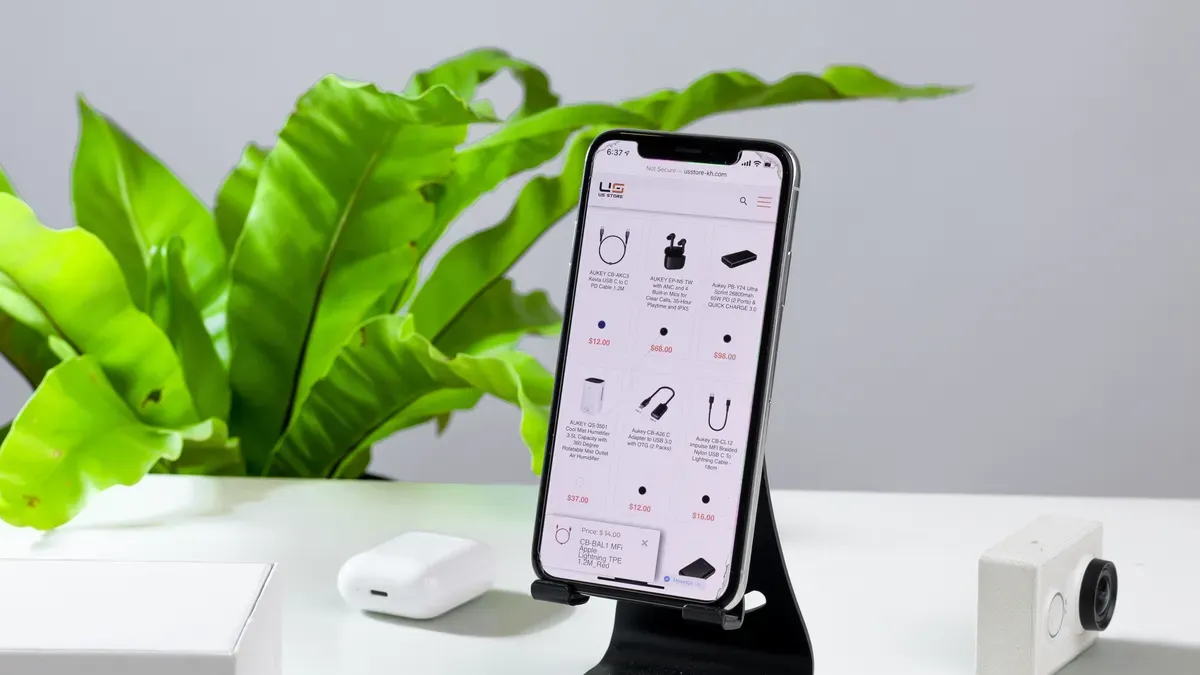
You can start looking on known B2B websites. Made-in-China.com and Global Sources are two big ones. These sites list many suppliers for mobile accessories wholesale. You can sort results by product type, certifications, and export experience. Each listing shows company profiles, how much they can make, and customer reviews. These tools help you make a short list of possible partners.
Physical markets still matter in China. The Huaqiangbei market in Shenzhen covers many city blocks. Sellers there offer everything from simple phone cases to advanced charging tech. Walking through Huaqiangbei lets you see products up close. You can feel materials, compare prices, and get business cards. Many well-known wholesalers in China have booths in this market along with their online stores.
These platforms and markets are good places to start. They connect you with many options fast. But you should be careful with every listing. Anyone can post nice photos and big claims online. The real checking starts only after you first contact them. You must check each supplier's credentials before you send any money.
Referrals often give better results than searching on your own. Other importers have already tested their suppliers. They know which companies deliver good quality and which ones vanish after payment. Ask your business contacts for suggestions. Industry forums and trade groups also give useful leads. Members often share their experiences with different factories.
Trade shows give another strong way to network. Events like the Canton Fair bring thousands of suppliers together in one place. You can meet representatives face-to-face and see the latest mobile accessories. These personal talks show more than online chats ever can. You can judge their professionalism and how they answer tough questions.
Your network can also warn you about risky suppliers. Experienced importers know which companies have bad records. They can guide you away from common traps in the china mobile accessories wholesale market. Mix these referrals with your own research on B2B platforms. This two-way approach gives you a better base for sourcing. You lower your risk when you use proven contacts instead of just random listings.
Your first job is to check the supplier's legal papers. Every real company in China has a business license with a Unified Social Credit Code. You can check this code on the official GSXT website at gsxt.gov.cn. Type in the company's full Chinese name or the 18-character code. The system shows you the registration record. Match every detail on the paper license with this government record. Scan the QR code on the license. It should take you to the same official page. If it goes somewhere else or doesn't work, be careful with that supplier.
Follow these steps to check a license the right way:
Check the Unified Social Credit Code format. The first character must be 1, 5, 9, or Y. The code must be exactly 18 characters long. Positions 3 through 8 must match the area code of the registered address.
Search the official GSXT website using the company's full Chinese name or the code. Fill in the CAPTCHA and compare all details with the government record.
Scan the QR code on the business license, usually at the top right corner. It should go to the official government record.
Use the official Electronic Business License app from SAMR to scan the QR code or enter the code for real-time checking.
For a mobile accessory maker, make sure the business scope clearly says "manufacturing" or "production" of electronic accessories.
Industry certifications are just as important as legal registration. Look for proof that products meet worldwide standards. X·ONE is a great example. This brand has Apple MFi approval, which means its Lightning accessories pass Apple's strict tests. Qi wireless certification shows safe and efficient wireless charging. SGS and TÜV testing reports confirm product durability and safety. These credentials show a supplier who cares about quality control. You want a verified supplier who can show you these documents without any problem.
A verified business license only proves legal registration. It does not show financial health, pending lawsuits, regulatory penalties, paid-in capital, actual operating address, manufacturing ability, or import/export rights. A license may say "manufacture of electronic products" but the company may have no factory at all. Always add license checking with a full credit report covering lawsuits, penalties, tax rating, and financial snapshots.
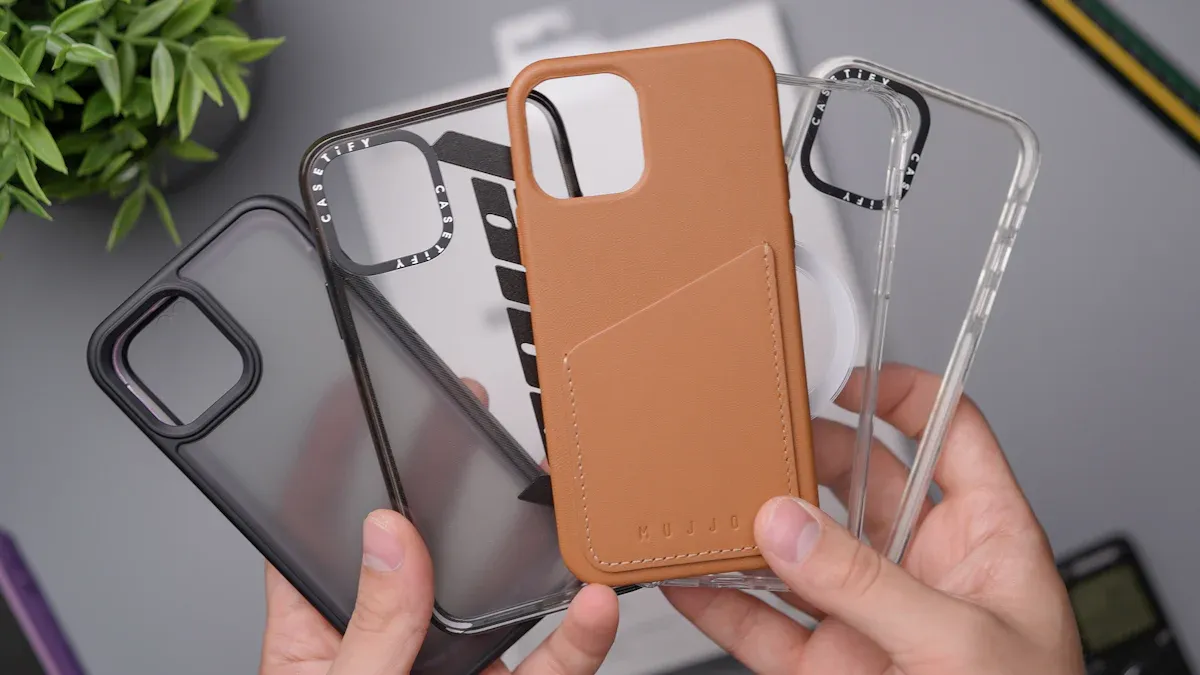
After you check the paperwork, ask for product samples. A reliable China-based supplier will send samples quickly. Test each sample yourself. Drop the phone case from standing height. Charge your phone with the cable. Check how the screen protector fits. You learn more from hands-on testing than from any product description. Compare the sample quality with the certifications the supplier says they have.
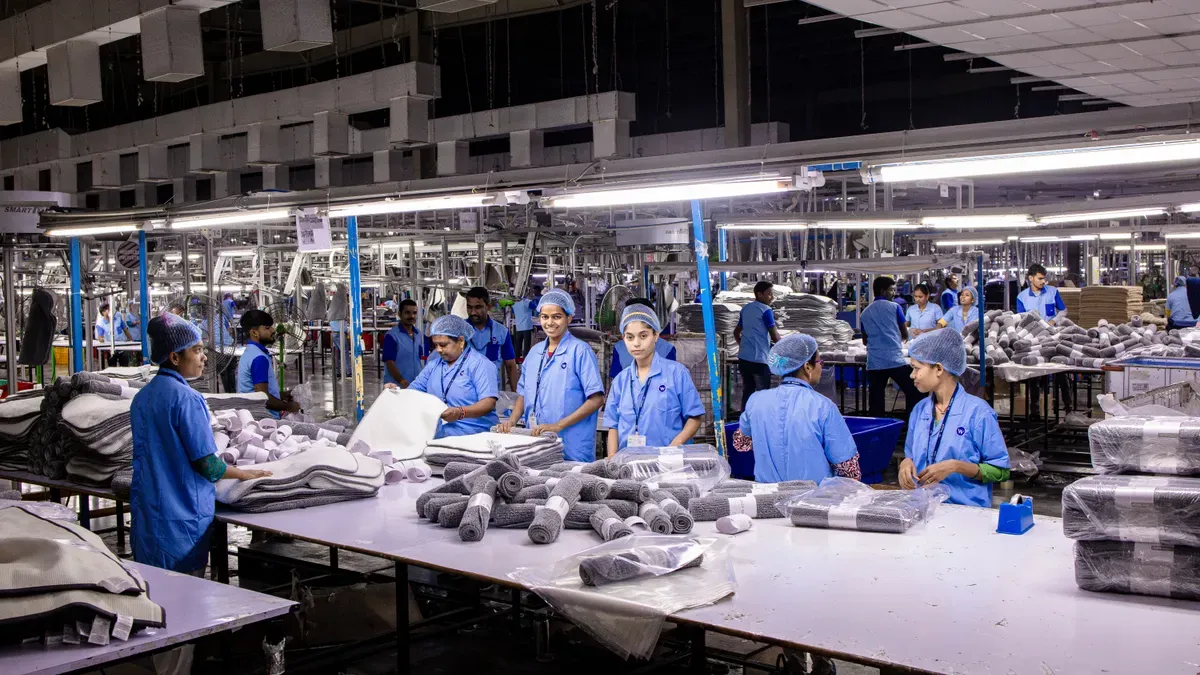
A video call is your next step. Ask to see the production floor, the testing equipment, and the storage area. Watch how workers handle materials. A supplier who hesitates or makes excuses during a video tour is a red flag. For larger orders, hire a third-party audit company. These inspectors visit the factory in person. They confirm the address matches the license. They check whether production equipment really exists. They verify the factory can meet your order size. This step costs money, but it protects your investment.
Your sourcing plan should treat these checks as necessary, not optional. The latest mobile accessories need precision manufacturing. A factory that cuts corners makes products that fail. You want a wholesale partner who welcomes inspection. Top suppliers like X·ONE open their facilities to audits because they have nothing to hide. Their 180+ patents and certified testing processes show a commitment to quality you can check. When you find a supplier who passes every check, you build a base for a long-term business relationship. Take your time during this vetting phase. The effort you put in now prevents costly mistakes later.
You get several quotes from different suppliers. The lowest price grabs your attention first. Do not give in to that. The cheapest quote usually does not give the best value. A supplier who lowers price often skimps on materials, testing, or packaging. Those hidden cuts cost you more later through returns and refunds.
Compare quotes while keeping a clear view of what each price includes. Does the quote cover certification testing? Does it include custom packaging? What about warranty support? A slightly higher price from a trusted supplier often gives better product consistency and fewer surprises. You pay a little more at the start. You save much more by avoiding failed shipments and unhappy customers.
Minimum order quantities, or MOQs, are very different for different product types. Simple items need smaller orders. Complex tech products need larger commitments. The table below shows typical ranges you might see:
Product Category | Minimum Order Quantity (MOQ) |
|---|---|
Silicone Phone Cases | |
Fast Chargers (20W PD USB-C) | 5–50 pieces |
Some Chinese wholesale distributors let you buy in bulk online at good prices. Others have no minimum order at all. MOQs are not the same for all suppliers. You can talk about these numbers. Ask for a lower MOQ on your first order as a test. Offer to pay a bit more per unit in exchange. Many suppliers accept this deal to get a new customer.
Price matters, but value matters more. The newest mobile accessories often include special technology that explains a higher price. Think about X·ONE's DNA Guard 6m Drop Protection. This new idea uses advanced material science to keep phones safe from drops up to six meters. A regular case without this technology costs less. It also gives much less protection. Your customers see the difference when they drop their phones.
Think about what you can sell vs what you can just buy. A basic phone case only competes on price. You fight every other importer for the same customer looking for a deal. A case with approved drop protection tells a different story. You can describe the testing, show the patents, and explain why a higher price is fair. Your profit margin increases even when your cost per unit is higher.
Quality is the key part of this. A supplier who puts money into research and testing gives you products you can trust. X·ONE has over 180 patents and sends products for SGS and TÜV testing. Those credentials matter to your customers. They show durability and safety. You build trust with every sale.
Your sourcing plan should think about long-term value vs short-term savings. A reliable supplier in China who offers new features becomes a competitive edge. You import products that stand out on shelves and in online listings. You lower the risk of your products becoming common items. You build a brand that customers know for quality.
When you look at quotes, ask about the technology inside each product. Ask about testing standards and patent protection. Ask how the supplier makes products better over time. A partner who creates new ideas keeps your catalog fresh. A partner who only copies others leaves you stuck selling old products. Choose the supplier who helps you grow. That choice, not the lowest price, builds lasting profit.
A written contract protects both sides. You must define every term clearly before production starts. Payment structure matters most. Most importers use a standard arrangement with factories in china.
"30% deposit, 70% before shipment" is a standard payment term in international trade and manufacturing, especially within China. You pay an initial deposit of 30% of the total order value upon signing the contract. You pay the remaining 70% before the products ship out.
Some suppliers ask for 100% upfront for small orders of ready stock. Others accept 30% deposit and 70% against the bill of lading. That means you pay the balance once goods arrive at their destination. New buyers rarely get open account terms. You must build trust first.
Lead times vary by product type. Stock designs with logo customization take 7–10 days. New custom products built from scratch take 7–45 business days. The full timeline includes sample development at 10–20 days and mass production at 25–40 days. Your total wait before shipping ranges from 35 to 60 days. Plan your inventory around these numbers.
Warranties protect you after shipment. Ask about defect rates and return policies. A reliable supplier stands behind their products. Top-tier partners offer clear warranty terms in writing. You want coverage for manufacturing defects, not just shipping damage.
Communication problems cause many failed deals. Language barriers create misunderstandings about specifications. Time zone differences delay answers. Technical terms get lost in translation. These issues lead to wrong products and missed deadlines.
Clear communication is key to a successful partnership. If there's a language barrier, consider hiring a professional translator or sourcing agent to ensure accurate information and avoid production or quality issues.
Set expectations early. Agree on response times for emails and messages. Use written summaries after every call. Confirm specifications in writing before production begins. This practice prevents costly mistakes.
After-sales support matters as much as the initial deal. Ask what happens when customers return defective items. Does the supplier replace them? Who pays shipping? Get answers in writing.
Premium suppliers like X·ONE offer end-to-end support. They provide training materials, marketing assistance, and technical help. Their after-sales team handles customer questions. This support makes your wholesale business run smoother. You focus on selling while they handle product issues.
Your sourcing strategy should treat communication as a core requirement. The latest mobile accessories need precise manufacturing. Misunderstandings ruin quality. Choose a supplier who communicates clearly and supports you after the sale. That partnership builds lasting success.
Air freight moves your goods fast. Sea freight saves money on big orders. Your choice depends on order size and how fast you need items. Small shipments under 150 kilograms often cost less by air. You get your stock in days, not weeks. This speed helps when you test a new product or restock a fast-selling item. Sea freight is better for bigger orders. You wait 25 to 35 days for transit, but you pay much less per unit. A full container of phone cases makes sense by ocean. A rush order of 200 chargers works better by air.
A freight forwarder handles the tricky parts. This agent books cargo space, arranges trucking, and prepares export papers. A good forwarder knows the routes and ports well. They warn you about delays before they happen. You should ask your supplier for forwarder recommendations. You can also find your own through trade networks. The forwarder becomes your eyes at the port.
Incoterms define who pays for what during shipping. Two terms matter most. FOB, or Free On Board, means the supplier covers costs until goods load onto the ship. You pay for ocean freight, insurance, and destination charges. CIF, or Cost, Insurance, and Freight, means the supplier pays those costs up to your port. These terms prevent surprise fees. Always write your chosen Incoterm into the contract. This clarity protects your profit margin.
Customs clearance requires correct paperwork. Missing documents delay your shipment and add storage fees. Prepare these six items before your goods arrive:
Commercial Invoice: Shows product descriptions, model numbers, country of origin, unit values, currency, and Incoterms.
Packing List: Matches quantities and model breakdowns exactly.
Bill of Lading or Airway Bill: Aligns with importer and consignee data.
FCC or Battery Compliance Documentation: Required where needed.
HTSUS Classification Details: Needed for tariff sorting.
Customs Bond Information: Required for bringing goods in.
Import duties add a big cost to your china sourcing plan. Mobile accessories face several tariff layers. The base HTS duty for consumer electronics is 2.5 to 6 percent. Section 301 tariffs add 7.5 percent on top. Section 122 tariffs add another 15 percent. Processing fees also apply. The Merchandise Processing Fee is 0.3464 percent. The Harbor Maintenance Fee for ocean freight adds 0.125 percent. A $10,000 FOB shipment has about $2,807 in total duties, roughly 28 percent of the value.
Section 301 tariffs still apply to most Chinese-origin goods, adding 7.5% to 25% on top of normal duties.
You must include these costs in your pricing. A reliable supplier helps you classify products correctly. They give accurate value declarations. This honesty prevents customs disputes. Your wholesale business needs smooth border crossings. The latest mobile accessories need proper documents to reach your customers. Quality products lose value when stuck in customs. Plan your logistics well, and your goods arrive on time.
You now have a clear path: Research, Vet, Evaluate, Negotiate, and Manage. Each step helps you find a reliable China-based supplier who gives steady quality. Your goal is not just to find any supplier. You want a trusted partner for many years of growth.
Start today. Reach out to one candidate from your shortlist. Ask for samples. Check their credentials. Every talk teaches you something useful about the wholesale market.
Remember this truth: your supplier decides your success. Pick a reliable China-based supplier, and you build a strong base for growth. Pick poorly, and you build a weak setup that falls apart. Brands like X·ONE show what is possible—180+ patents, certified testing, and full support. That level of trust and new ideas is waiting for you when you commit to proper sourcing. Your next shipment could start a lasting partnership.
You can check business licenses through China's official GSXT database. Ask for product samples and test them yourself. Set up a video call to see the factory floor. For bigger orders, hire a third-party audit company. These steps help confirm a verified supplier truly operates as claimed.
Most factories ask for a 30% deposit upfront. You pay the remaining 70% before shipment. Some suppliers accept payment against the bill of lading. New buyers rarely get open account terms. Always get payment terms written clearly in your contract before production starts.
Simple products like silicone cases may need only 10–100 pieces. Complex items like fast chargers often require 5–50 pieces minimum. Many B2B platforms list MOQs directly on product pages. You can negotiate lower first-order quantities by offering slightly higher per-unit prices.
Air freight suits small orders under 150 kilograms. Sea freight saves money on larger shipments but takes 25–35 days. A freight forwarder handles customs paperwork and cargo booking. Choose FOB terms to control shipping costs yourself. This approach keeps your sourcing budget predictable.
Work only with suppliers who show third-party test reports from SGS or TÜV. Check for certifications like Apple MFi approval or Qi wireless certification. Compare samples against certified standards. A reliable China-based supplier welcomes inspection. This diligence protects your mobile accessories wholesale business from costly returns.
Join X.ONE to access our best-selling original product,and leverage our end to end technical and marketing support to unlock new growth opportunities for your business.
 Material Support
 Training Support
 Marketing Support
 Exhibition Support
 Technical Support
 After Sales Support