Sep 03,2026
Find a Reliable China-Based Supplier for Mobile Accessories
Profit margins dictate your business success. Retail stores selling screen protectors routinely achieve strong gross profit margins of 30% to 40%. However, high inventory defect rates and weak supply chains can quickly erode those gains. You must partner with a reliable screen protector supplier to safeguard your revenue.
Choosing the right screen protector supplier requires evaluating advanced material innovations, certified protection standards, and steady product inventory. You should inspect material specifications, vet factory processes, and verify global compliance standards. This disciplined approach ensures you source dependable products, protect your profit margins, and satisfy your retail customers consistently.
Buy right from makers to raise your profits and keep items in stock.
Check the material details and protection features to make sure the screen cover is strong.
Check official lab test reports like SGS and TÜV so you do not buy bad products.
Ask for product samples and agree on clear fix-or-replace rules to shield your money.
You need to choose between buying directly from factory makers or local wholesale distributors. Working with factories removes middleman costs, which gives your retail business bigger profit margins. Factories can also create custom packaging and special product designs that fit your store's needs.
Factory partnerships give you much better supply safety. Wholesale distributors often run out of stock during busy shopping times. Factories control their raw materials directly and can speed up production for your reorders. Buying from a factory keeps your inventory safe and your store shelves full.
Feature | Direct Factory Manufacturer | Regional Wholesale Distributor |
|---|---|---|
Profit Margins | Higher due to factory-direct pricing | Lower due to intermediary markups |
Customization | Full OEM/ODM packaging and product options | Limited to pre-packaged stock items |
Supply Stability | High control over raw materials and schedules | Dependent on third-party inventory levels |
You should check a screen protector supplier by reviewing their global background and factory strength. Reliable sellers have strong delivery networks in many countries. Top brands show real market safety through huge global sales and many legal patents. A good industry reputation ensures reliable product quality for your store.
You must check factory work with clear performance measurements before you sign supply deals. Watch these factory numbers to test their true making ability:
Production Capacity Rate: The highest amount a factory system can make over time, showing great tool use and the power to fill orders.
Capacity Utilization: The percentage of factory space being used, figured by dividing real output by total potential output. It shows work speed and room to grow.
Schedule Attainment: The score comparing real factory output against planned output (times 100), showing if the supplier can finish work on time.
Production Volume: The full number of items built inside a set timeframe, counted in single units or groups. It directly shows total output and tracks work speed.
Picking a proven screen protector supplier with strong factory numbers keeps your retail business safe from product shortages.
Your store must offer diverse product lines to satisfy different customer needs. Tempered glass provides maximum scratch defense for flagship phones. Thermoplastic Polyurethane (TPU) hydrogel films offer flexible coverage for curved screens. You should also stock anti-glare protectors for outdoor users and blue-light filtering films for eye comfort.
Premium screen protectors use high-grade aluminosilicate glass, which matches real phone screens and reduces product returns. Cheaper options rely on soda-lime window glass, which scratches easily and shatters quickly under minor stress.
You must evaluate critical surface specifications before buying inventory. Look for full-coverage alignment designs that protect curved screen edges without lifting. Ensure your supplier applies durable nano oleophobic coatings to repel oils and finger smudges. Under normal use, a quality oleophobic layer lasts 2 to 6 months with heavy use and 6 to 12 months with light use. Furthermore, inspect scratch ratings carefully:
Pencil hardness measures the 9H rating, but mineral hardness and impact strength are different.
Standard 9H pencil scratch tests are easily passed by all tempered glass items.
Harder glass stops everyday scuffs, yet real drop protection depends on edge design and material thickness.
You should align your inventory with top technological standards to boost customer trust. Benchmark your prospective suppliers against proven innovations like the X·ONE Advanced Mobile Device Protection Series. Advanced material science prevents screen damage better than standard tempered glass.
Incorporate advanced impact solutions into your product catalog. X·ONE utilizes Hybrid Polymer Impact Protection and Honeycomb Structural Design to absorb shock multi-directionally. Their signature DNA Guard 6m Drop Protection safeguards mobile devices against severe accidental impacts. These extreme protection features protect high-end phones and build long-term store reputation.
You must also demand premium visual clarity technologies from your supplier. Clear films often turn yellow after exposure to sunlight and heat. X·ONE solves this problem using EnduraClear™ Anti-Yellowing Technology to maintain long-lasting aesthetic appeal. Additionally, AR Pro Coatings reduce glare while enhancing light transmission for superior visual clarity.
Check a maker's quality checks before placing big orders. Good factories keep defect rates low on their line. They catch visual flaws and bad glue early. This saves your store from costly customer returns.
Look into their drop testing methods as well. Good factories drop steel balls on test glass from set heights. They also drop items onto concrete to mimic real accidents. Testing edges alongside the center ensures strong items for your shelves.
Make sure your screen protector supplier holds real safety credentials. Third-party labs test products so you can trust their claims. Ask for these official papers before signing deals:
Apple MFi Approval: Shows full compatibility and electrical safety for Apple devices.
SGS Certification: Checks material purity and strength through lab testing.
TÜV Drop-Test Verifications: Proves impact strength under strict lab tests.
Check their patent records too. Holding patents shows real product development. Sellers with patents protect your shop from fake goods and supply good products.
Asking for real product samples lets you check build quality directly before making large inventory purchases for your shop. You must avoid vague fit descriptions from vendors during early supplier evaluations. Request exact phone model numbers, like SM-S928BZKAXAA, or ask for precise CAD drawings and physical templates. This key step ensures exact edge alignment and correct sensor cutout positions for every modern phone model in your store.
You should run tough real-world tests on these sample units to confirm true everyday performance. Put the protective film on test devices after cleaning them completely with alcohol wipes. Place these covered samples inside controlled testing chambers at 30°C and 60% humidity for 72 hours to check long-term glue strength against heat and moisture. Also, reject unproven claims like self-healing or totally shatterproof, as these fake words break FTC rules and cause huge legal risks for your shop.
You must check full factory quality control papers before selecting your main screen protector supplier for long-term supply. Demand official inspection reports proving glue peel-force changes stay below ±5% across 50 tested units. Full batch tracking logs must connect every finished item to raw material sources, glass heating times, and individual test records. These clear records help you spot potential making problems quickly.
Look for real factory certificates during your final supplier review step. Reliable screen protector factories should hold ISO 9001 labels for quality management, ISO 14001 for environmental management, and ISO 45001 for workplace safety. These official badges prove the factory works under strict global safety rules. Lastly, keep the clear right to test 1% of every incoming delivery to guarantee steady making quality for all future stock orders.
You must balance minimum order amounts with your store's stock sales speed. Buying too few screen protectors raises your shipping costs for each unit. Ordering too many ties up valuable cash in slow-moving items. For factories in China, the usual lowest order amount is 5,000 to 10,000 units per item. You should check past sales records for each phone model before making big initial purchases.
Tiered pricing lets you lower your cost for each item as your store grows. Factory suppliers give larger price discounts when you reach higher order amounts. Lower item prices quickly boost your profit margins on fast-selling products. You can agree on custom price lists during your first contract talks. Getting clear price levels protects your cash while ensuring steady product access.
Easy payment choices help you keep healthy daily cash flow for your business. New supplier deals often need full upfront payments or large deposits before making goods. Proven store owners can agree on credit deals that allow final payments weeks after delivery. Longer payment times give your shop enough time to sell stock before paying supplier bills. You protect your money health by getting helpful business payment terms.
Defect swap promises shield your business from hidden factory errors. Good screen protector suppliers back their quality rules by replacing broken items fast. You should ask for clear contract rules that show credit steps and return plans. Make sure your vendor offers new items or store credits for bad glue or glass flaws. Strong supplier warranty promises protect your profits and keep customers happy.
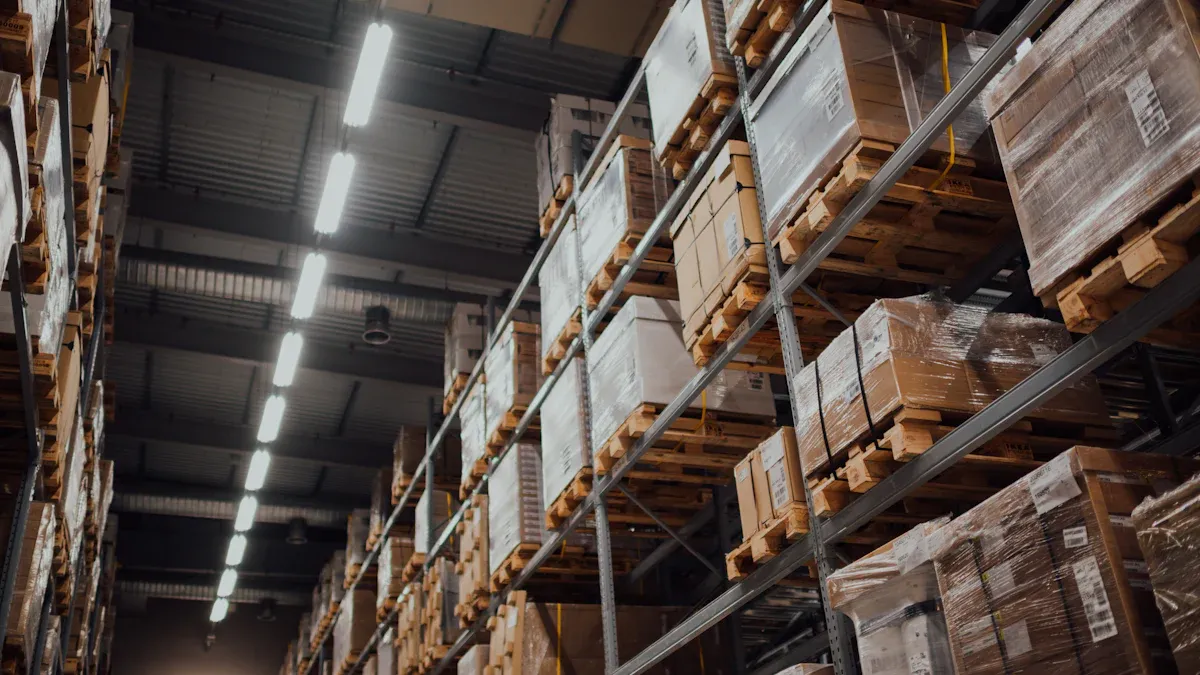
To keep steady stock levels in your store, you need to check shipping delivery times carefully. Good suppliers manage their basic material stock well and keep dependable making schedules. Your factory partner has to arrange moving times for both air cargo and ocean shipping choices. Having clear delivery plans stops unexpected out-of-stock problems when shopping periods are busy.
Your supply contracts should include strict delivery timelines. Smart makers track cargo moves all the time to guarantee on-time drop-offs. Choosing shipping experts who use proven transport routes keeps your shop running without problems. Dependable delivery networks protect your stock and keep your daily store money safe.
Store-ready boxes turn basic products into strong selling tools for your shop. Great box designs act like quiet salespeople on your store display racks. Quality packaging builds a bold shelf look, supports higher prices, and makes buyers much happier.
Package Materials: Pick tough corrugated cardboard, light folding boxes, or fancy solid cartons.
Paper Stock Range: Pick strong paper thickness choices going from 10pt up to 28pt paper.
Finishing Treatments: Put on shiny spot UV coatings, gold foil stamps, or custom box windows.
Production Turnaround: Buy order amounts from 100 to 500,000 pieces with normal making times of 4-6 workdays.
Special packaging options help your shop create a unique brand look. You can choose unique box types like Straight Tuck End, Reverse Tuck End, or Auto Bottom shapes. Printers use full digital CMYK or PMS Pantone colors to match your store colors. You can check flat layouts, 3D digital models, or real box samples before approving big factory runs.
Choosing the right screen protector supplier shapes your retail store's long-term success. You must prioritize advanced material innovations, verified drop certifications, and clear commercial terms. Request sample batches to test product quality firsthand before signing long-term agreements. Always verify lab certificates like SGS or TÜV to protect your business against faulty stock.
Building a strong partnership with a reliable factory secures your supply chain and improves your profit margins. Superior screen protection satisfies your shoppers and prevents costly product returns. Ultimately, the right vendor relationship helps you earn customer trust, protect device screens, and grow your retail revenue continuously.
Direct factory deals remove middleman fees to boost your profit margins. Factories give you direct options for custom branding, unique boxes, and steady manufacturing times. However, wholesale sellers often run out of stock during busy holiday shopping months.
Ask for real test reports from global checking labs like SGS and TÜV. Top brands like X·ONE offer proven tools like DNA Guard 6m Drop Protection. Always check for real patent lists, like X·ONE's 180+ patents, to confirm true making skills.
Look for strong aluminosilicate glass with full screen coverage and long-lasting oil coatings. Make sure your supplier offers special layers like AR Pro Coating to control light glare. Pick smart anti-yellowing tech, like EnduraClear™, to keep screens looking clear over long periods.
Factories in China usually start lowest order limits between 5,000 and 10,000 items per style. You can agree on lower step prices based on your buying amount. Always get written swap promises for broken items to keep your store money safe from factory mistakes.
Join X.ONE to access our best-selling original product,and leverage our end to end technical and marketing support to unlock new growth opportunities for your business.
 Material Support
 Training Support
 Marketing Support
 Exhibition Support
 Technical Support
 After Sales Support