Sep 17,2026
Mobile accessory suppliers with strong manufacturing capabilities

The global mobile accessories market will be worth $112.4 billion in 2026, says Grand View Research. This growth means finding dependable partners is key for your brand to succeed. You need a tried-and-true three-step process: define what you need, recommend professional suppliers, and check what they can do.
In 2026, finding suppliers needs a new method. AI matching tools now help you find manufacturers much faster. One-stop platforms make buying across China and beyond simpler. Tough environmental rules change how you recommend professional suppliers to your team.
This guide takes you through each step with clear actions. You will learn to use technology, apply strict standards, and build partnerships that make your phone accessory business stronger in a competitive market.
Figure out what your product needs and quality standards are before you look for suppliers.
Use AI tools and B2B platforms to quickly find and compare manufacturers.
Make sure suppliers have certifications like ISO 9001, Apple MFi, and Qi2 to confirm they meet quality standards.
Begin with small test orders to check quality and communication.
Keep up with 2026 trends, like sustainability and smart standards, to stay competitive.
Before you talk to any suppliers, you need to know exactly what your brand needs. This step saves time and stops costly mistakes when you are sourcing products. A clear list of requirements helps you talk with manufacturers.
First, list the specific phone accessories you want to sell. The market has many categories, and each one needs different quality rules. Use this table to match products with their standards.
Category | Product Example | Quality Standard |
|---|---|---|
Charging | Qi2 power bank | |
Protection | MIL-STD-810H rating | |
Audio | AI voice buds | On-device AI processing |
Stabilization | Phone gimbals | ActiveTrack AI tracking |
Photography | Cinema lenses | DSLR-grade glass |
Your quality rules must fit your target market. Apple MFi certification matters for charging cables and audio items. Only about 2% of companies pass Apple's tough testing. Wireless chargers do not need MFi approval unless they have an Apple Watch module. For Android-focused brands, Qi2 certification makes sure fast charging works across devices.
Now you must set real numbers for your order. Your budget decides which manufacturers you can work with. Cases and screen protectors usually cost $20 to $50 at retail. Earbuds range from $50 to $150. Power banks with 10,000mAh and 20W output sell for $30 to $60.
Your order volume decides if you work with OEM or ODM partners. Small brands often start with trial orders. Bigger brands get better pricing by ordering more. Lead time depends on design complexity and quality checks. Custom tooling adds weeks to production. Standard products ship faster from China factories.
Write down every need before you search. This planning makes supplier review faster and more accurate.
The global mobile phone accessories market will hit about $112.4 billion in 2026, based on Grand View Research. This huge size means you have lots of choices when looking for suppliers. The best plan mixes digital tools with people you know.
Vertical B2B platforms give you pre-checked SKUs and live stock. Some examples are Arrow, Avnet, Digi-Key, and Mouser. These platforms work well for accessories that cost under $50 each. They have no-MOQ choices for small orders. But unit prices are 12–18% higher. Under 1,000 units, expect a 15–25% extra charge. Most verified suppliers set MOQs between 1,000–5,000 units for certified items like USB-C cables and fast charging products.
Going straight to a factory gives you the most control over specs and tooling. This path needs engineering support and money to invest. Factories hardly ever take orders under 500 units without NRE fees. Regional trade hubs in Vietnam and Mexico balance speed and cost for mid-volume runs of 5,000–50,000 units.
AI matching tools now scan thousands of manufacturers in China and other places. These tools rate suppliers on certifications, capacity, and past results. You save weeks of manual research.
If you need repeatable, multi-jurisdictional compliance with little engineering work, pick a vertical B2B platform—especially for accessories under $50/unit. If you need full spec control and the ability to grow past 50K units/year, put your money into direct factory work. If you need to get to market fast for North American or EU launches with tariff certainty, regional hubs give you real ROI.
Trade shows are still top places to find suppliers. IFA 2026 and CES 2026 bring together thousands of manufacturers and OEM/ODM service providers. At these events, you can touch products and meet engineering teams in person. The Pisen iDock Qi2.2 AI Robot shown at recent shows proves the trend toward smart, AI-integrated charging tech.
One-stop wholesale platforms make buying easier for retailers. These platforms gather mobile phone accessories from many factories. You get unified quality control and combined shipping. Industry referrals also count. Ask your network about trusted manufacturers in China. Peer suggestions often lead to suppliers with strong OEM services and proven track records.
You need a clear scoring system to compare suppliers fairly. The table below shows five evaluation dimensions and their weights. Use these weights to rank every candidate on your shortlist.
Evaluation Dimension | Weight | Key Assessment Points |
|---|---|---|
Manufacturing Capacity | 25% | Monthly output, production lines |
Quality Control | 25% | ISO certification, inspection reports |
Delivery Reliability | 20% | On-time delivery rate, logistics network |
Product Range | 15% | SKU count, category coverage |
International Experience | 15% | Export countries, client cases |
Certifications show which manufacturers are truly serious and which are just trading companies. Apple MFi approval is a must for accessories that use Apple's own protocols, like Lightning cables and audio devices. Qi2 certification is important for wireless charging products. This standard comes from the Wireless Power Consortium and requires tough testing at authorized labs. These labs check power delivery, heat management, foreign object detection, and how well devices work together. Only products that pass every test get a Qi2 certificate.
ISO 9001 proves a supplier follows a required quality management system. ISO 14001 covers environmental management. CE marking is needed for products sold in the European Economic Area. RoHS limits harmful substances in electronic products. Ask every supplier for batch inspection reports with records you can trace. Request third-party testing records from SGS or TÜV. Factory inspection videos and photo archives give you one more layer of confidence.
Look for suppliers with strong innovation abilities: advanced material science, multi-layer absorption, and global compliance. These traits show a manufacturer is ready for the 2026 market.
Pricing talks show a supplier's real position. Use your priorities when you negotiate.
Minimum order quantities change by product type and certification level. Verified suppliers on B2B platforms usually set MOQs between 1,000 and 5,000 units for certified items. Factories rarely accept orders under 500 units without non-recurring engineering fees. Start with a trial order to test quality and communication before you commit to volume.
After-sales support separates reliable partners from the rest. Top suppliers offer a three-tier system: a customer support team for first contact and basic troubleshooting, an engineering technical team for advanced issues, and an R&D expert team for complex problems. Warranty coverage should include 12-month limited protection for mobile phone accessories, with up to 24 months for selected products. This covers inspection, repair, replacement, and technical support. Replacement parts such as charging cables and power adapters must be available. Product manuals and video installation guides help your team and end users. Contact channels should include WhatsApp, social media, and web forms.
Strong suppliers also provide OEM and ODM support. They offer OEM services for branding and ODM support for custom designs. Look for long-term cooperation frameworks spanning three to five years. Quality consistency should show a batch variation rate under 2%. Predictable delivery means standard 15 to 25 days with a 95% or higher on-time rate. Scalable capacity should support monthly orders exceeding 20 million units.
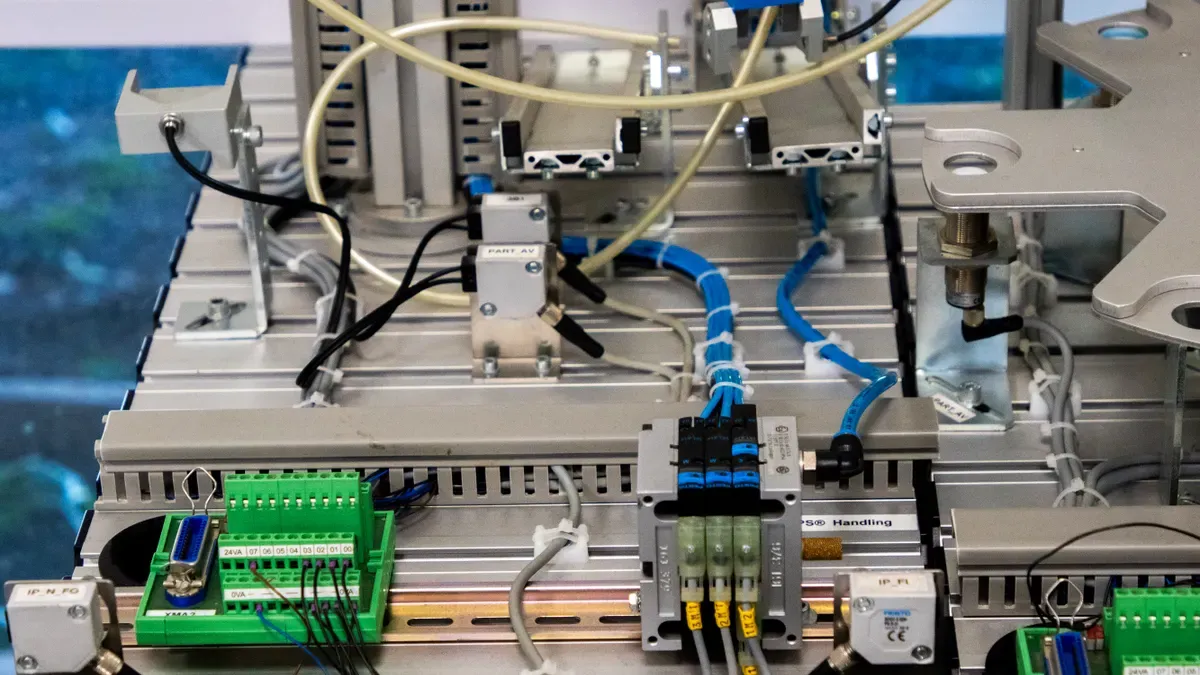
You have a shortlist. Now you must tell real makers apart from traders who just resell goods. This step protects your brand from costly mistakes. It also builds the trust you need for long-term partnerships.
Always order samples before you commit to a big order. A sample order lets you test build quality, materials, and performance with your own hands. Start with a $50–$100 sample order from a platform-verified supplier. This small cost shows how a factory handles communication, packaging, and shipping.
Begin with a $50–$100 sample order from a platform-verified supplier.
When you review samples, check the details that matter for mobile phone accessories. Test drop protection, coating durability, and charging speed. Compare the sample against your quality standards. Ask the supplier for test reports from SGS or TÜV. These documents prove the product meets safety and performance rules.
Factory audits give you a deeper view. You can visit the factory in person or hire a third-party inspector. Audits check production lines, worker conditions, and quality control systems. Look for ISO 9001 records and batch inspection logs. These steps confirm the supplier runs a real operation.
The table below shows typical landed costs and minimum order quantities for common items. Use these figures to plan your sourcing budget.
Accessory | Average Landed Cost (per unit) | MOQ |
|---|---|---|
Mid-tier MagSafe-compatible case (TPU+PC) | $2.10–$3.40 | 1,000 |
65W GaN charger (UL/CE certified) | $7.80–$11.20 | 500 |
Car mount with adjustable grip & Qi2 coil | $4.30–$6.90 | 1,000 |
Tempered glass screen protector (9H, oleophobic) | $0.45–$0.85 | 2,000 |
A trial order tests the supplier under real conditions. You can combine multiple SKUs in a single order, but the total order value must exceed US$2,000.
This low entry point lets you test several manufacturers in China at once. You compare their quality, delivery speed, and support. Track every batch for defects. A batch variation rate under 2% shows strong quality control.
Monitor these performance metrics during your trial:
On-time delivery rate (target 95% or higher)
Defect rate per batch
Response time for technical questions
Accuracy of OEM or ODM customization
AI tools now help you score suppliers on these metrics. These platforms track delivery data and flag problems early. You save time and reduce risk.
After the trial, review the results with your team. Did the supplier meet your quality standards? Did they solve problems fast? A supplier who passes this test earns a larger order. A supplier who fails saves you from a costly mistake. This staged approach keeps your market position strong.
AI tools now change how you check manufacturers in China and other places. These platforms scan thousands of suppliers and rate them on certifications, capacity, and delivery history. You save weeks of manual research. The technology also spots risks before they reach your production line.
Digital twin prototyping speeds up product development. You build a virtual model of your mobile phone accessories and test performance without physical samples. This approach cuts costs and shortens timelines. AI-driven scoring helps you recommend professional suppliers with confidence. Manufacturers who adopt these tools win more contracts.
Sustainability compliance is a must in 2026. The EU Ecodesign for Sustainable Products Regulation starts on 19 July 2026. It requires companies to track unsold inventory and report disposal data. The EU Battery Regulation sets carbon footprint reporting for industrial batteries in February 2026 and mandatory QR code labels in August 2026. These rules directly affect power banks and other mobile phone accessories with batteries.
Look for suppliers who use recycled materials, plant-based materials, and plastic-free packaging. Energy efficiency and durability also matter for long-term compliance.
Smart accessory standards shape the best smartphone accessories in 2026. The Qi2 standard delivers 15W wireless charging with magnetic alignment. The newer Qi2 25W standard, launched in July 2025, offers nearly 70% more power and charges a phone from 0% to 50% in about 30 minutes. Your suppliers must support these wireless charging technologies. They should also offer OEM and ODM flexibility for AI-integrated products. When you recommend professional suppliers, prioritize partners who meet these standards. Their technology and compliance records protect your brand in a competitive market.
You now have evaluation data from every candidate. A weighted scorecard turns that data into a clear ranking. Score each criterion on a 1–5 scale instead of percentages. Percentages create false precision. Apply weights before scoring to avoid bias. Define what a score of 3 looks like for each criterion in writing. This calibration keeps your evaluators consistent.
Use these weighted categories for your scorecard. Technical capability carries 25–30% and covers functional fit plus integration maturity. Security and compliance holds 20–25% and acts as a pass/fail gate. Total cost of ownership takes 20% and includes license fees, migration, training, and exit costs. Vendor stability and risk claims 15% for financial health and supply continuity. Partnership quality rounds out 10–15% for responsiveness and roadmap transparency. A vendor who fails a hard gate, such as missing SOC 2 Type II or ISO 27001, does not enter the scorecard at all.
Negotiation starts after you rank your top suppliers. Discuss pricing tiers, minimum order quantities, and payment terms. Ask for OEM flexibility on branding and packaging. Request a trial order before you commit to volume. This step tests quality and communication under real conditions.
Long-term partnerships need clear performance metrics. Set targets for on-time delivery, defect rates, and response times. Schedule quarterly business reviews to track progress. Strong suppliers offer three to five year cooperation frameworks. They also provide technical support, marketing materials, and replacement parts. When you recommend professional suppliers to your leadership team, present the scorecard results alongside negotiation outcomes. This approach protects your brand and secures reliable sourcing for years ahead.
Your process—define needs, find suppliers, evaluate, and recommend—gives your brand a real edge. In 2026, AI matching and digital audits cut sourcing risk. Strict certifications and sustainability rules protect your mobile phone accessories line. Start with small trial orders, then scale up as quality proves steady.
The market grew past $112 billion. Manufacturers in China and beyond compete hard for your business. Use technology to score them. Demand wireless charging technology that meets Qi2 standards. Check fast charging safety and battery compliance. These steps separate strong manufacturers from weak ones.
Sourcing mobile phone accessories rewards careful buyers. The manufacturers you pick today shape your brand's tomorrow.
Ask for copies of certificates and third-party test reports. Check for ISO 9001, Apple MFi, and Qi2 marks. Top manufacturers in China give you these documents. This technology check keeps your brand safe.
Qi2 makes sure of 15W fast charging with magnetic alignment. This technology removes compatibility problems. Trusted manufacturers follow this standard. The 2026 market requires this certification.
Ask about warranty terms and replacement parts. The best manufacturers offer three-tier support teams. Work with suppliers who give long-term cooperation. This keeps quality steady.
The growing market needs certified, innovative partners. Use AI scoring tools to check suppliers. Leading manufacturers use Qi2 wireless charging. This technology lowers risk.
Join X.ONE to access our best-selling original product,and leverage our end to end technical and marketing support to unlock new growth opportunities for your business.
 Material Support
 Training Support
 Marketing Support
 Exhibition Support
 Technical Support
 After Sales Support