 繁体中文
 Italian
 Spanish
 Thai
 Turkish
 Japanese
 Portuguese
 Russian
 French
 German
 Polish
 Arabic

Aug 19,2026
Top 10 Reliable Screen Protector Suppliers for Import Businesses
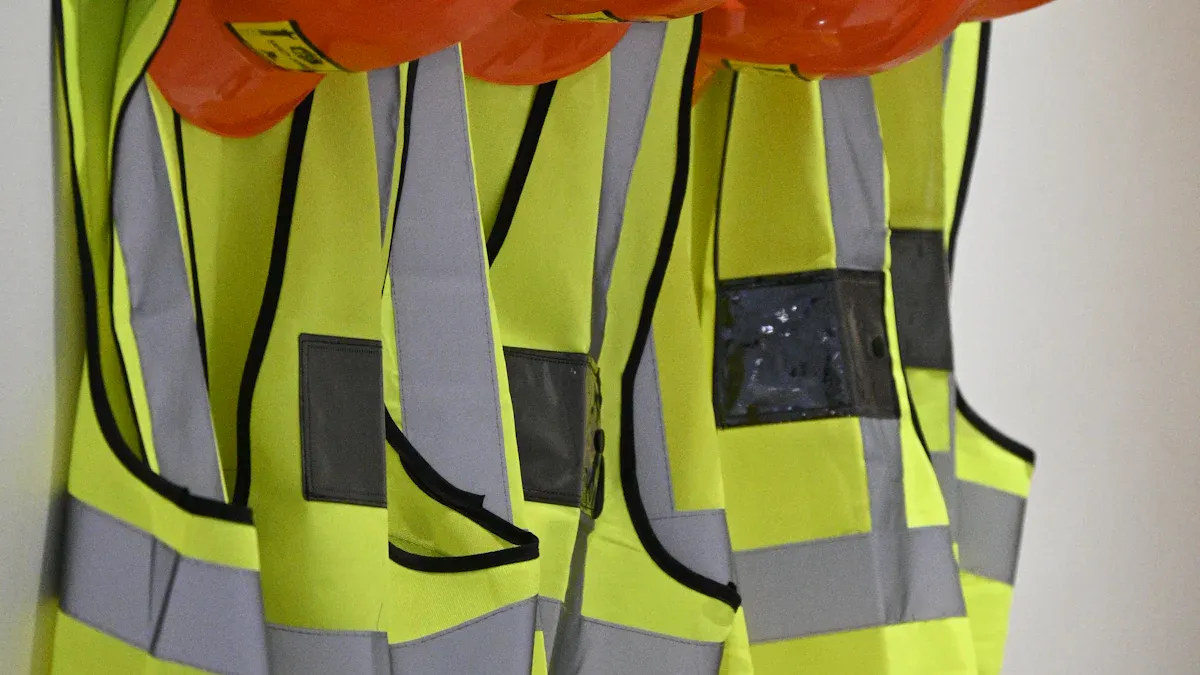
You can find hundreds of suppliers for protective accessories. One wrong choice can lead to compliance failures, safety risks, and money losses. How do you tell a trusted supplier from a risky one?
This checklist gives you a step-by-step tool to judge any potential safety equipment supplier. You will learn to check certifications, confirm reliability, and ask for clear pricing. Each item protects your business from costly mistakes.
The risks are high. One bad ppe order can hurt workers and cause legal trouble. You need a clear plan before you commit.
By the end, you will have a practical method to judge any vendor with confidence. Let us begin.
Check certifications like OSHA and ANSI to make sure they are safe and follow the rules.
Check how dependable a supplier is by testing delivery times and how fast they restock.
Ask for clear prices with no hidden fees so you don't get surprised by costs.
Try customer support to see how quickly they reply before you place a big order.
Choose in-country suppliers for faster shipping and fewer supply problems.
Every time you buy something, there is a risk. Picking the wrong supplier hurts more than just your wallet. You could face compliance problems, safety accidents, and legal fines. A glove or helmet that was not tested well can break at the worst time. If a worker gets hurt, production stops. Failed inspections lead to regulatory fines. Your brand's reputation takes a hit.
You can stop this from happening. Suppliers who sell OSHA-compliant products and ANSI-compliant helmets show proof through paperwork. NIOSH-approved respirators and CDC-compliant medical gear matter just as much. If a supplier cannot show these papers, you carry the risk by yourself. A trusted supplier gives you clear proof before you send any money.
The money damage adds up slowly. One shipment that gets rejected means rework, quick reorders, and project delays. Your team wastes hours checking product claims. Those hours take profit away from other work. A rush order that arrives late makes things even worse.
Trust means steady quality you can check. A trusted supplier shows certifications and a record of on-time delivery. Take X·ONE as an example. This brand has Apple MFi approval, Qi wireless certification, and SGS and TÜV testing. Sales of more than 100 million units prove steady output. More than 180 patents support its advanced materials and engineering.
Certifications have specific meanings. The table below shows the credentials that matter for equipment sold in North America.
Certification | What It Signals |
|---|---|
OSHA compliance | Meets workplace safety rules |
ANSI standards | Helmets and gear tested for impact |
NIOSH approval | Respirators filter correctly |
CDC compliance | Medical gear blocks contamination |
Trust goes beyond one certificate. Proven suppliers keep a steady ppe inventory, clear pricing, and quick support. Names like Grainger, 3M, and Honeywell show up often because they meet these standards across the country. Their reach across the US and Canada makes restocking simple.
This steady quality protects your bottom line. Trusted providers put money into protective technologies, like X·ONE's DNA Guard 6m drop protection and EnduraClear anti-yellow coating. A dependable safety solutions partner stops costly surprises. Paperwork, delivery history, and honesty mark reliable partners. When you check out a safety equipment supplier, ask for proof before you commit.
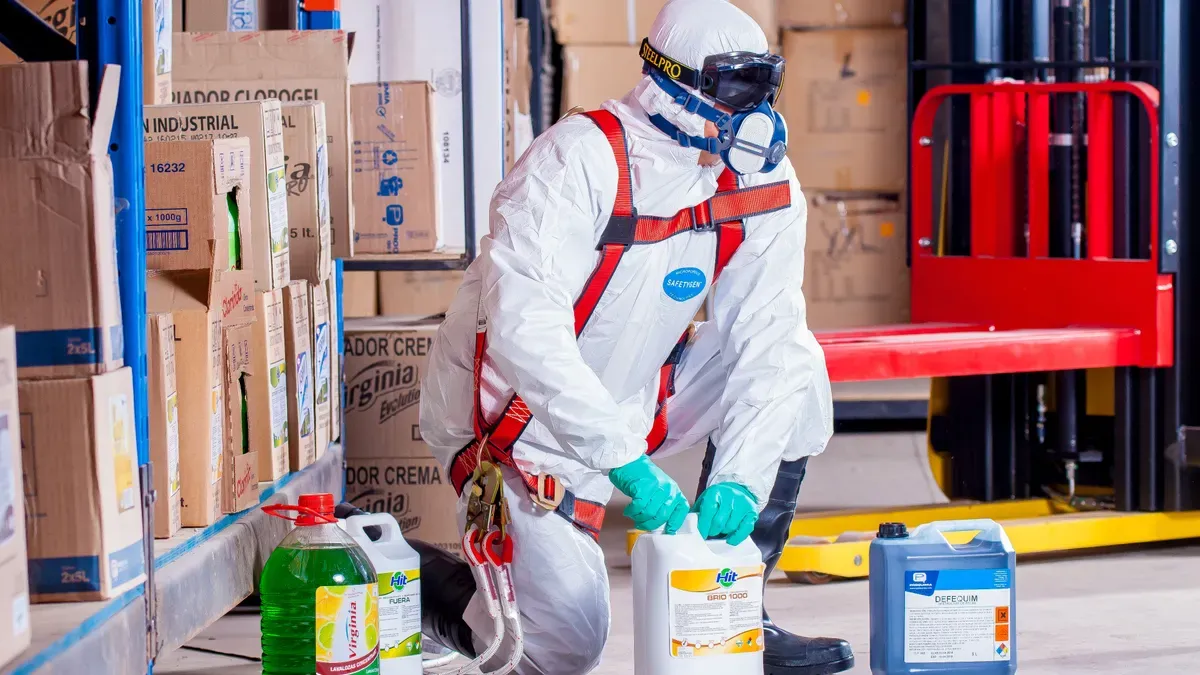
Personal protective equipment is the gear that keeps workers safe from harm. This group includes safety glasses, hard hats, earplugs, gloves, steel-toed boots, respirators, and fall harnesses. Every item has to meet certain standards before you use it on a job site.
You need to confirm compliance before you buy. Ask each safety equipment supplier for test reports and certificates. A reliable vendor will share these papers without any delay. Look for marks from known testing groups. These marks show the product passed independent checks.
X·ONE shows how new material science improves product quality and compliance. The brand's DNA Guard 6m drop protection uses hybrid polymer impact technology. Its EnduraClear™ anti-yellow coating keeps surfaces clear over time. These new ideas come from more than 180 patents. When you judge ppe suppliers, look for this level of engineering effort.
OSHA makes the rules for workplace safety in the United States. The table below lists the main standards for common ppe categories.
PPE Category | OSHA Standard (29 CFR 1910) |
|---|---|
General PPE Requirements | 1910.132 |
Eye and Face Protection | 1910.133 |
Respiratory Protection | 1910.134 |
Head Protection | 1910.135 |
Foot Protection | 1910.136 |
Electrical Protection | 1910.137 |
Hand Protection | 1910.138 |
ANSI adds another layer. Eye and face protection must meet ANSI Z87.1 rules. Devices bought after July 5, 1994 must follow Z87.1-1989. This standard covers testing, marking, selection, care, and use.
You should make sure your ppe suppliers follow osha and nfpa standards. Ask for paperwork that proves regulatory compliance. Trusted ppe partners in the united states and canada keep these papers ready. When you source high-quality personal protective equipment, demand proof of testing. This step protects your workers and your business.
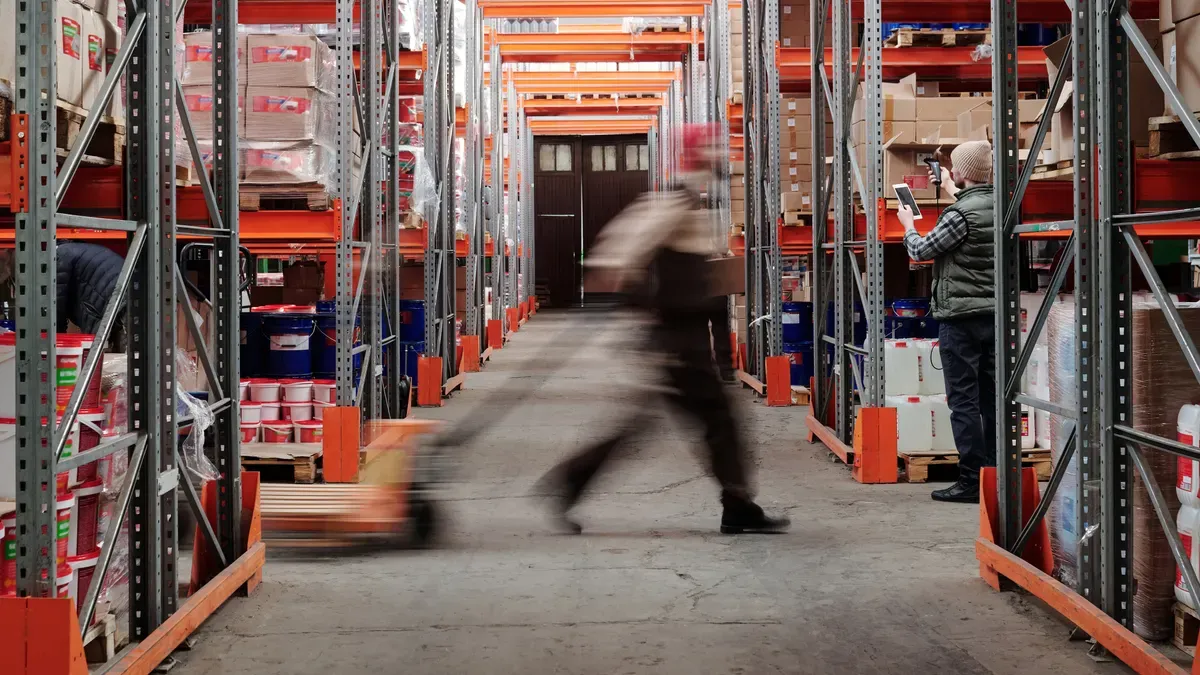
A dependable ppe suppliers delivers on time, while a risky one does not. You need your gear on site when it was promised. A late shipment stops projects and causes costly rush orders. Ask each safety equipment supplier about their on-time delivery rate. Get references from their current clients. Read customer reviews on independent platforms. Look for repeated complaints about delays.
Delivery history tells you more than any sales pitch. A vendor with steady performance ships complete orders on schedule. They tell you early about possible delays. Reliable ppe distributors like Grainger and Ritz Safety have earned trust across North America by always performing well. These trusted providers keep strong logistics networks. Their track record shows you what to expect.
Stable inventory keeps your operations running without stopping. A supplier with shallow stock runs out during busy times. You face backorders and rush to find other options. Ask about their restocking schedule and lead times. Make sure they keep safety stock for items in high demand.
Top ppe suppliers put money into warehouse space and inventory management systems. They track stock levels in real time. They warn you before popular items run low. This proactive approach protects your supply chain. Reliable ppe means you never face a gap in protective gear availability.
Evaluate supplier reliability through these concrete steps. Ask for delivery metrics. Visit their warehouse if you can. Test their restocking speed with a trial order. A partner who passes these checks earns your long-term business.
Different industries have different dangers. A construction site needs head protection, eye and face protection, hearing protection, and fall protection. An industrial plant needs eye, face, head, and extremity protection plus breathing devices. Electrical work requires nonconductive hardhats, arc-rated face shields, rubber-insulating gloves with leather protectors, and leather EH-rated footwear. You need a safety equipment supplier who knows your specific risks.
Workers in high-risk electrical environments face electric shock risks and arc flash hazards. They need voltage-rated gloves, arc flash clothing, and an arc-rated garment that meets ASTM standards. A knowledgeable safety equipment supplier will ask about your voltage levels and arc flash boundaries before suggesting products. For commercial, industrial, and utility applications, the right ppe stops injuries and saves lives.
Look for suppliers with a wide range of products. PIP leads in hand protection for industrial markets. White Cap and NEFCO serve construction crews across North America. X·ONE offers a model for diverse offerings with over 15 product categories for mobile device protection. A top ppe suppliers carries everything from safety glasses to full-body harnesses. This width means you source reliable ppe from one trusted partner.
One size does not fit all in personal protective equipment. Gear that fits poorly slips, chafes, and fails to protect. You should ask for sizing options and customization from any safety equipment supplier. Glove makers like HexArmor offer custom-fit gloves made to properly fit individual employees. They do on-site visits and provide product trials. One customer noted that HexArmor made a custom glove to fit a specific employee after a simple request.
Eyewear suppliers offer various frame styles and lens options. Mobile device case makers provide custom designs, monogramming, interchangeable parts, and online design tools. These options let you personalize protective gear for your team. Ask your supplier about modular designs and custom sizing before you commit. The right fit improves compliance and comfort on every job.
You should know exactly what you are paying for before you agree to anything. A reliable safety equipment supplier gives you a full quote with every cost listed. Ask for line items that show unit price, shipping, taxes, and any handling charges. Hidden fees ruin your budget and break trust.
Watch out for vague words like "miscellaneous charges" or "processing fees." These terms often hide extra markups. Ask for a written breakdown before you sign anything. Compare quotes from multiple vendors side by side. The lowest headline price often comes with the highest total cost.
Unit price alone does not tell you much. A cheap glove that breaks after one week costs more than a durable one that lasts months. Figure out the total cost of ownership for every ppe item you buy. Include replacement frequency, worker downtime, and compliance risk.
X·ONE offers partners strong profit potential through premium packaging and unique selling products. The brand's proprietary technology and 180-plus patents give resellers a competitive edge. More than 5,000 resellers across six continents prove this model works. When you evaluate protective gear suppliers, look for partners who invest in product quality and partner success. A supplier who offers real value protects your margins and your reputation.
You can learn a lot about a safety equipment supplier before you sign anything. Send a few sharp questions and see how fast they answer. A vendor who takes days to reply will likely vanish after the sale. Test them with these questions:
Ask for a detailed timeline from a similar program. Demand part-level order status between raw materials and dispatch, not a vague "in progress" reply.
Ask whether a factory acceptance test is standard before dispatch or an extra charge. Request the full test scope.
Ask which Incoterms they quote and what those terms cover, such as DAP versus DDP. This confirms who handles duties and last-mile delivery.
Ask about export packaging for transit-sensitive items. If you need cleanroom handling, request double-bagging or nitrogen-purged packaging for ISO Class 7 or 8 environments.
Ask for the written solution if a batch fails inspection. Find out how quickly they complete a non-conformance review.
A supplier who answers all five with specifics earns your trust. One who dodges or delays does not.
Return policies show how a vendor treats you after you pay. Grainger offers a one-year product warranty from the date of acceptance under its state contract, plus an extended protection plan option. These formal policies show a supplier stands behind its ppe. Ask every vendor for their written return process before you commit.
X·ONE's global network of more than 5,000 resellers across six continents suggests strong partner support. A brand that keeps thousands of partners active must fix problems quickly. When you judge protective gear suppliers, look for clear warranty terms, fast replacement shipping, and a named contact for claims. A vendor who hides behind vague language will cost you time and money when something goes wrong.
Buying from ppe suppliers in the united states gives you a big logistics edge. Local warehouses are closer to your job sites. Goods travel by truck instead of across the ocean. You skip customs delays and crowded ports. Your orders show up faster and with less chance of damage.
U.S.-based vendors often carry OSHA-ready and ANSI-ready products in stock. They know North American compliance rules well. They keep certificates ready for quick checks. This local knowledge saves you time during audits. You also get faster shipping within the united states and canada.
X·ONE sets a global example with operations in more than 60 countries. That reach shows what strong logistics looks like. You should expect the same standard from ppe suppliers in the united states.
Lead times get shorter when your supplier keeps local inventory. A domestic vendor might ship in days instead of weeks. You lower carrying costs because you order smaller batches more often. You also avoid air freight fees and customs brokerage charges. These savings build up over a full year.
Reliable ppe distributors share clear lead times. They track shipments and tell you about delays. Top ppe suppliers put money into regional distribution centers. This setup keeps dependable ppe suppliers ready for demand spikes. You get delivery windows you can count on for every order.
Compare total landed cost, not just unit price. A cheap overseas quote often hides freight, duties, and long waits. Domestic ppe suppliers in the united states give you a clearer cost picture. You pay less for storage and rush shipping. Your team spends fewer hours chasing tracking numbers.
When you check ppe suppliers in the united states, ask for their average ship time. Request references from clients in your area. A vendor with strong local logistics protects your schedule and your budget. That reliability makes reliable ppe a base for safe, efficient operations.
A good online catalog saves your team hours every week. Look for features that help with bulk orders and fast reordering. Top ppe suppliers design their platforms to help buyers work faster. The best catalogs include:
Prebook and indent ordering types
Refill and reorder options
Quick order entry by SKU
Saved lists for one-click reordering
Real-time stock visibility by warehouse
Tiered pricing that shows volume discounts automatically
Customer-specific catalogs with negotiated contract prices
These tools reduce manual work. Quick order entry lets you type SKUs right into a bulk form. Saved lists like "Restroom Supplies" or "Monthly Safety Gear" make repeat buys easy. Real-time stock shows which distribution center has your items. Split shipment logic handles orders from many locations without extra work. Budget controls let a supervisor build a cart while a manager approves it before purchase.
Test the catalog before you commit. Search for a common item and see how fast results load. Check whether pricing updates in your cart. A clunky interface signals deeper problems with the supplier's operations.
Your ordering process should link with the tools your team already uses. Ask whether the supplier's platform connects with your procurement system. This link removes double entry and cuts ordering errors. It also speeds up approvals and payment cycles.
X·ONE's global reseller network of more than 5,000 partners across six continents shows what scalable ordering infrastructure looks like. A supplier who supports that many partners must handle high order volumes without breaking. Ask your vendor about their capacity to grow with you. A platform that cannot scale will slow you down as your needs expand.
A supplier who cannot show OSHA or ANSI paperwork puts your whole operation in danger. You should leave right away when a vendor avoids your request for certification labels. Real ppe suppliers give ANSI/ISEA marks like ANSI Z89.1 for head protection, ANSI Z87.1 for eye and face protection, and ANSI/ISEA 105 for glove performance. They also provide ASTM F2413 for footwear and NIOSH approval for respirators. When a safety equipment supplier cannot show these marks, you have no proof of compliance.
Watch for these common red flags during your evaluation:
Slow or delayed answers when you ask for documents
Incomplete or uneven certification records
Vague or unclear explanations about regulatory requirements
Product specifications that differ across different documents
Limited traceability information for products
Inability to provide recent quality-related records
A trusted supplier keeps performance data ready. This includes glove chemical permeation results from EN 374 or ASTM F739, cut resistance ratings, and footwear impact ratings such as I/50 and C/75. If a vendor cannot produce these records, you cannot verify their claims.
Communication problems point to deeper issues. A vendor who takes days to answer basic questions will likely vanish after the sale. Test responsiveness before you commit. Ask for a written quote with every cost listed. Hidden fees and vague terms like "processing charges" often hide extra markups.
You should also demand clear return policies and warranty terms. A supplier who hides behind vague language will cost you time and money when something goes wrong. When pricing is unclear or communication is poor, walk away. Your ppe budget and your workers' safety depend on choosing a partner who works with transparency and speed.
You now have a full checklist to check any protective accessory seller. Product quality and compliance, supplier reliability, industry fit, pricing clarity, customer support, geographic reach, and e-commerce tools all shape your choice. Use this framework every time you look at a new partner. It turns a risky guess into a process you can repeat.
Take action today. Ask for quotes, demand certification documents, and test response times before you commit. A trusted supplier earns your business through proof, not promises. Save this checklist. Use it on your next supplier search and protect your workers, your budget, and your reputation.
Ask for OSHA compliance records, ANSI marks like Z87.1 for eyewear and Z89.1 for head protection, and NIOSH approval for respirators. X·ONE holds Apple MFi, Qi, SGS, and TÜV certifications. A supplier who cannot show these papers leaves you open to fines and liability.
Send tough questions and track how fast they reply. Ask current clients for delivery numbers. Place a small test order to check how quickly they restock. Grainger and Ritz Safety have earned trust by always performing well. A vendor who avoids your questions will likely let you down after the sale.
Suppliers based in the U.S. ship faster and skip customs delays. They keep OSHA-ready stock and know North American rules well. You pay less for storage and rush shipping. X·ONE works in over 60 countries, showing what strong global logistics looks like.
Demand line items for unit price, shipping, taxes, and handling. Watch for vague terms like "processing fees." Compare the total cost of ownership, not just unit price. X·ONE gives partners premium packaging and strong profit potential through proprietary technology.
Walk away when a supplier avoids certification requests, gives vague regulatory answers, or hides pricing. Poor communication before the sale signals worse problems after. A trusted partner provides ANSI/ISEA marks, ASTM ratings, and clear warranty terms without delay.
Join X.ONE to access our best-selling original product,and leverage our end to end technical and marketing support to unlock new growth opportunities for your business.
 Material Support
 Training Support
 Marketing Support
 Exhibition Support
 Technical Support
 After Sales Support