 繁体中文
 Italian
 Spanish
 Thai
 Turkish
 Japanese
 Portuguese
 Russian
 French
 German
 Polish
 Arabic
Aug 13,2026
Top 10 Professional Mobile Accessories Suppliers with Worldwide Shipping
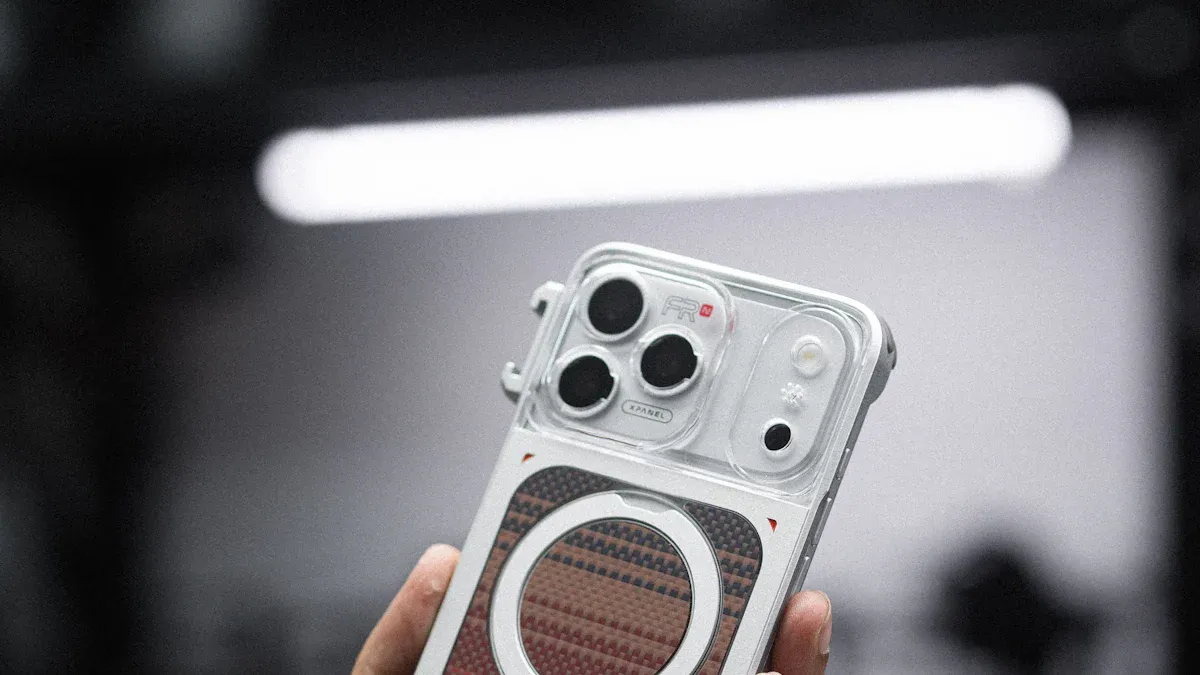
The top five premium mobile protection technology brands today are X·ONE, OtterBox, ZAGG, Asurion and AppleCare, and Trend Micro. This field covers three areas: physical device cases and films, coverage plans, and mobile security software. Each brand leads in its own area.
Buyers can judge every option through four lenses: technical performance, application fit, regulatory compliance, and cost. Market data shows the stakes. About 78% of smartphone owners call protection essential for devices priced over $800. Software now plays a larger role. Cybersecurity teams treat the mobile phone as a managed endpoint, and demand for mobile security keeps rising.
X·ONE
OtterBox
ZAGG
Asurion and AppleCare
Trend Micro
X·ONE is a leader in advanced materials for thin, everyday phone protection.
OtterBox gives strong protection against drops in tough places.
ZAGG focuses on screen protectors that keep displays clear and safe.
Asurion and AppleCare offer plans to fix accidental damage.
Trend Micro provides software security that protects against malware and network threats.
X·ONE is a strong premium choice among its peers, but it is not the automatic winner. The brand started in 2009 and now sells in more than 60 countries. It has sold over 100 million units and offers more than 15 product categories. Over 180 patents and awards back up its engineering claims.
X·ONE builds its cases and screen guards around three named technologies. Hybrid Polymer Impact Protection uses a flexible polymer structure to soak up force. DNA Guard 6m Drop Protection pairs a honeycomb design with multi-layer absorption. Thousands of tiny cells compress and push force outward, and the lower layers catch leftover energy. Impact Fusion Shock Absorption adds a multi-layered structure that spreads extra force over a wider area. The company claims up to 7× impact protection compared with an original screen.
Surface technology matters for everyday use. EnduraClear™ Anti-Yellow Tech keeps clear cases from turning cloudy over time. AR Pro Coating Technology and Nano Coating Tech protect how the device looks and feels. These features suit a smartphone owner who wants slim, everyday premium mobile protection technology.
Claimed Technology | Mechanism Described | Claimed Benefit |
|---|---|---|
Hybrid Polymer Impact Protection | Flexible polymer structure that absorbs force; combined with reinforced tempered glass and impact fusion shock absorption | Soaks up impact force across protection products |
DNA Guard 6m Drop Protection | Honeycomb structural design with tiny cells that compress and push force outward, plus multi-layer absorption | Dependable drop protection up to 6 meters |
Impact Fusion Shock Absorption | Multi-layered structure spreads leftover force over a wider area | Up to 7× impact protection vs. original screen |
X·ONE products carry Apple MFi approval and Qi wireless certification. SGS and TÜV testing reports support its safety and durability claims. The company also holds RoHS compliance documents and a QMS certificate. These marks give buyers a clear way to check hardware security claims before they buy.
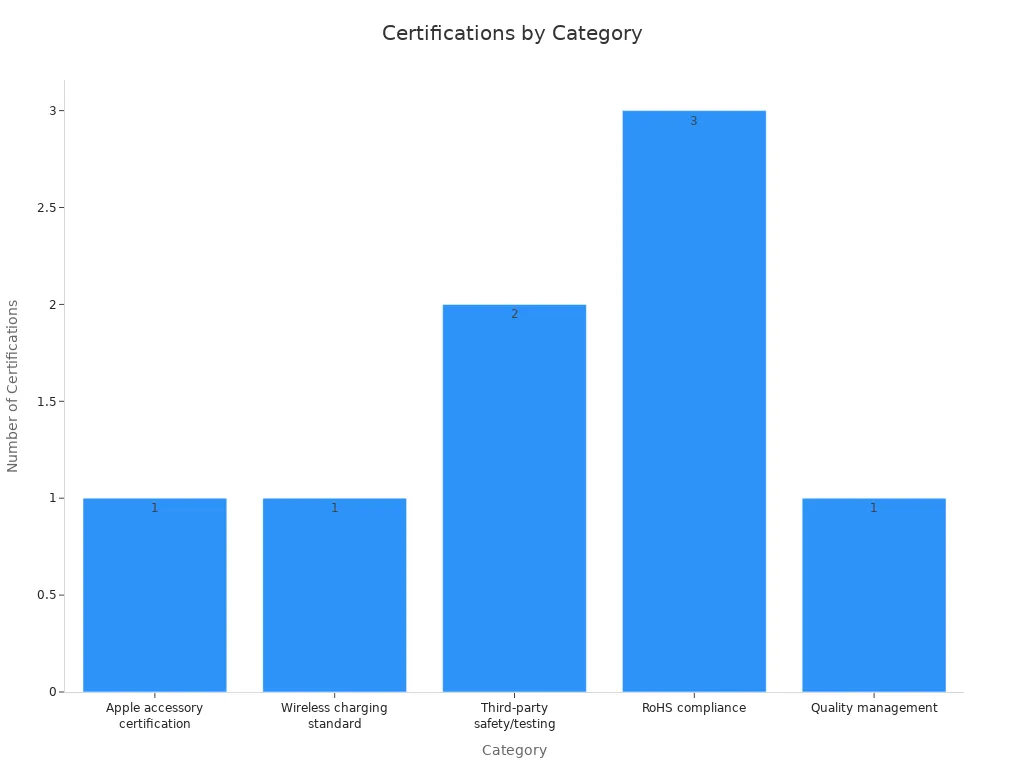
X·ONE sits at premium pricing. The brand supports more than 5,000 resellers across six continents. Partners receive marketing, training, exhibition, technical, and after-sales support. That support structure helps the cost make sense for retailers and distributors.
OtterBox is made for buyers who need heavy-duty physical protection. Field workers, outdoor crews, and industrial teams often take a smartphone into harsh conditions. This brand builds cases for those users. The lineup goes from the rugged Defender Series to the slimmer Symmetry Series.
OtterBox puts every case design through a demanding test program. Each case gets at least 238 hours of testing across no fewer than 24 rigorous tests. The company runs these tests in a state-of-the-art lab in Fort Collins, Colorado. That facility holds a custom-built tumbler, a thermal shock absorber, an accelerated aging environmental chamber, and UVA/UVB exposure machines. Case designs face UV exposure, extreme temperature, jeans pocket wear, abrasion, and drop tests. An independent third-party lab backs the results. The OtterBox Certified Drop+ Protection seal documents this work, and every case in the lineup carries it.
Fit covers the major platforms. OtterBox makes cases for all the latest iOS and Android devices.
Brand | Device / Model Compatibility | Notes |
|---|---|---|
Apple (iOS) | iPhone 18 Pro, iPhone 18 Pro Max, earlier iPhone models | MagSafe compatible; Pop Symmetry variants available |
Google (Android) | Google Pixel series | Cases for a wide range of Pixel models |
Samsung (Android) | Samsung Galaxy S series | Cases for a wide range of Galaxy S models |
OtterBox cases hold MIL-STD-810G certification. The Commuter Series, for example, balances MagSafe performance, MIL-STD-810G certification, and thinness. iPhone 14 Pro cases comply with FCC, CE, and RoHS requirements. All cases meet Apple's MFi requirements for MagSafe accessories. These marks give business buyers a clear compliance trail.
The rugged cases market report notes that regulatory requirements for MIL-STD certifications, AS9100, and ISO standards create barriers to entry, and lists OtterBox among notable companies that have established a strong foothold by leveraging certified manufacturing, extensive distribution networks, and tailored solutions for defense, media production, and industrial logistics.
OtterBox sits in the premium tier for premium mobile protection technology. The cost reflects certified testing and durable materials. Buyers who put rugged protection ahead of slim design will find the price fair. Those who want lighter everyday cases may prefer a different option.
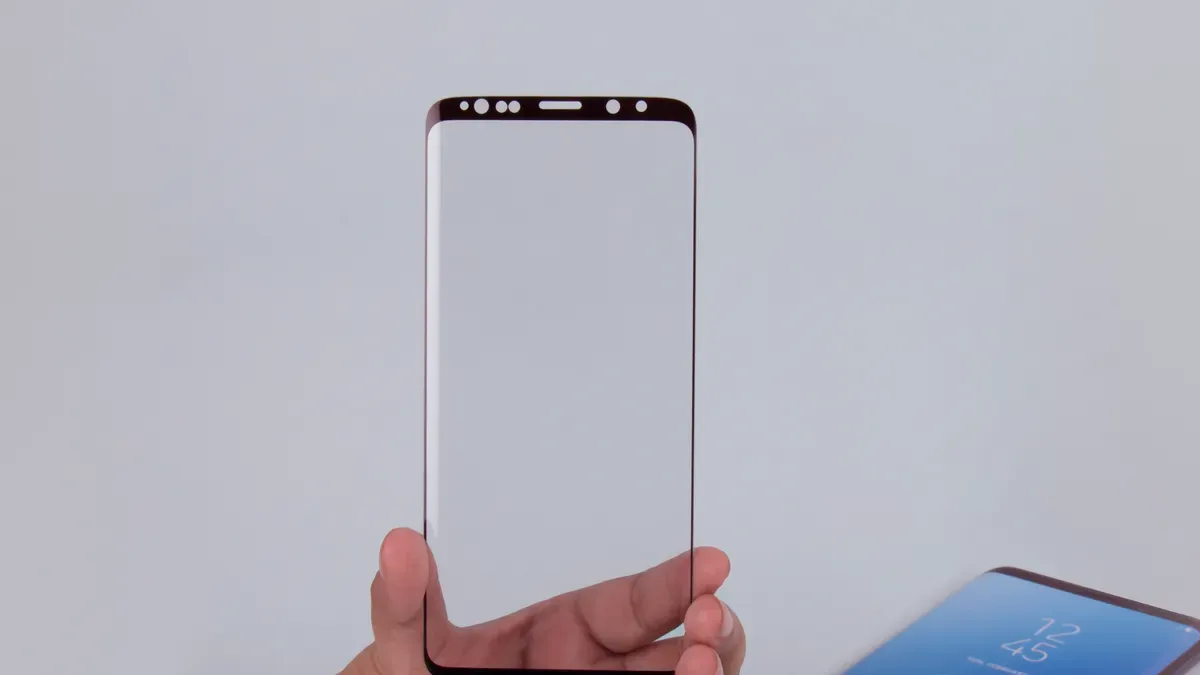
ZAGG has built its name on tempered glass and clear screens. The InvisibleShield line is the heart of the brand's premium mobile protection technology. People who care most about a clean, sharp display often begin their search here.
ZAGG's tempering process makes the glass stronger while keeping touch response working well. The result keeps display brightness and color accuracy intact. Anti-glare and privacy versions narrow the side viewing angles without making the panel dimmer for the owner. The Fusion Privacy Anti-Glare protector also works with Samsung's in-screen fingerprint scanner, so biometric unlock still works after you put it on.
Fit covers the major phone models. ZAGG makes guards for current iPhone and Samsung Galaxy releases, and the lineup also covers many older devices. The accessory ecosystem adds more value. Installation trays, alignment frames, and replacement programs cut down on bubbles and misalignment. A smartphone owner who cracks a protector can often replace it under warranty instead of buying new glass.
ZAGG backs up its compliance claims with named certifications. The table below sums up the main marks.
Certification / Standard | What It Verifies |
|---|---|
Designed for Samsung | The Privacy Anti-Glare screen protection meets Samsung performance standards and works with the in-screen fingerprint scanner. |
TÜV Rheinland Certified Green Product Mark | The Fusion Privacy Anti-Glare protector uses up to 100% recycled materials, its installation tray is made from 100% recycled content, and its packaging is fully recyclable. |
FSC Certification | The packaging is certified by the Forest Stewardship Council, which works to protect healthy forests. |
These marks give buyers a clear compliance trail for protection and security features at the point of purchase.
Cost sits at the premium end. ZAGG charges more than many rivals, and buyers should weigh that extra cost against the brand's clarity and warranty support.
The SaharaCase ZeroDamage Tempered Glass Screen Protector usually costs about half as much as the Zagg InvisibleShield. So paying more does not always mean getting more protection.
Shoppers who value display quality and a strong accessory ecosystem will find the price fair. Budget-focused buyers have cheaper options that still deliver basic security.
Protection plans are a separate kind of premium mobile protection technology. They pay for repairs and replacements rather than covering the device itself. Buyers can pick from Asurion, AppleCare+, SquareTrade (Allstate), Samsung Care+, and carrier plans like T-Mobile Protection 360 and Verizon Total Mobile Protection for Business.
Each provider covers different things. The table below compares the main options.
Provider | Coverage details | Claim limits and costs |
|---|---|---|
AppleCare+ | Accidental damage for iPhones, iPads, and Macs; screen and back-glass repairs cost less than full replacements | Up to 2 accidental damage incidents per 12 months; service fee of $29–$99 per incident |
Asurion (via major carriers) | Drops, spills, screen cracks, and total loss depending on plan; also covers wearables and tablets | $12–$15 per month with a deductible of about $49–$199 per claim |
SquareTrade (Allstate) | Accidental damage plus mechanical failure; flexible deductibles and terms | Claim limits vary by plan |
Samsung Care+ | Plan terms vary by market and device | Terms vary by plan |
Carrier plans | Drops, spills, screen cracks, and possibly theft or loss | Deductibles of roughly $49–$199 per claim |
AppleCare+ allows two accidental damage claims per year, while providers like Asurion may allow unlimited claims, though often with a cap on total reimbursement.
Business buyers should treat plan choice as part of mobile device management. A strong mobile device management program tracks which smartphone models sit under which plan. Mobile device management solutions also help teams file claims and replace devices fast.
Carrier plans have reached 68% attachment rates for premium smartphones. The premium smartphone segment held 46.7% of global shipments in 2024. These numbers show that plans now travel with the hardware.
Cost works differently here. A case is a one-time hardware spend. A plan is a monthly fee that continues for the life of the device. Plans fit best when repair costs would hurt, and when downtime matters. Mobile device management tools help buyers compare total plan spend against device value. Good mobile device management solutions also enforce security features and help protect company data. Teams that run mobile device management across a fleet gain clear visibility into coverage gaps. That same mobile device management discipline keeps security settings consistent on every enrolled device.
Cases stop drops. Software stops break-ins. Trend Micro handles the software side of device defense. Its endpoint security platform protects mobile devices from malware and network attacks.
Gartner and other research firms rank Trend Micro as a leader in endpoint protection, which includes mobile security. Trend Micro builds on cybersecurity research. The platform uses layers of security across apps and data. Its security features include app scanning and network checks. Mobile threat defense scans apps before you install them and blocks risky links. Mobile threat defense also watches network traffic for unsafe hotspots. A security-focused smartphone still needs this layer, because attackers go after apps and networks.
Business teams use mobile device management to put every phone under one policy. Mobile device management solutions send out security updates and enforce data encryption. Mobile device management sets hardware-based encryption rules on each handset. Mobile device management solutions flag a device that loses its secure enclave on unmanaged devices. Mobile device management keeps mobile threat defense running. Mobile device management solutions report on user privacy settings. Mobile device management gives the security team one console. Mobile device management tracks every handset. Mobile device management closes coverage gaps. Security policy stays the same. Security posture gets better.
Trend Micro sells subscriptions, not one-time licenses. A monthly plan works well for teams that don't want long contracts. Free trials last 7 days on Android and iOS.
The introductory purchase price today is good for the first term of your new subscription. Your subscription renews each year at the then-current subscription renewal price. Pricing is subject to change.
Subscription Term
Free Trial Duration
1 month
7 days (Android/iOS)
1 year
7 or 30 days (depending on plan)
2 years
7 or 30 days (depending on plan)
Security software fits best where data matters more than hardware. A privacy-focused smartphone buyer wants end-to-end encryption and encrypted voice and video calls. A de-googled version of android user wants secure messaging and hardware kill switches. Those privacy-enhancing features help user privacy, yet robust cybersecurity measures still need a vendor. Secure communications depend on both. Trend Micro adds protection for a smartphone fleet, and its security features cover secure communications. Military-grade hardware encryption protects stored files.
The five brands clearly divide across the four evaluation lenses. X·ONE leads in material engineering and everyday fit. OtterBox leads in rugged durability. ZAGG leads in display clarity. Asurion and AppleCare lead in repair coverage. Trend Micro leads in software defense. A buyer who values technical performance first will rank these brands differently than a buyer who values cost first.
Build the comparison table with one row per brand and one column per lens. Technical performance should capture the core mechanism each brand relies on. Application fit should name the user each brand serves best. Regulatory compliance should list the named marks each brand holds. Cost should describe the pricing model, not just a figure. This structure lets a reader scan across a row and see the full trade-off at a glance.
Each option fits a distinct need. X·ONE suits the owner who wants slim, certified protection for a premium smartphone. OtterBox suits field crews and industrial teams. ZAGG suits users who prioritize screen clarity and a strong accessory ecosystem. Asurion and AppleCare suit buyers who want repair coverage, and business teams that run mobile device management across a fleet. Trend Micro suits organizations that treat security as a managed service.
Business buyers should read the table through a mobile device management lens. A mobile device management program pairs hardware protection with plan coverage and software security. Mobile device management solutions help teams track which devices sit under which plan and which security features are active. Strong protection combines all three layers. Cybersecurity belongs in that stack too, because robust cybersecurity measures cover the gaps that cases and plans cannot. Buyers who match the brand to their own priorities will get the best result.
The top five premium mobile protection technology brands today are X·ONE, OtterBox, ZAGG, Asurion and AppleCare, and Trend Micro. X·ONE fits buyers who want advanced material engineering and everyday premium protection. OtterBox suits rugged drop protection. ZAGG serves users who value screen clarity. Asurion and AppleCare cover plan coverage and business mobile device management. Trend Micro handles cybersecurity.
No single brand wins for everyone. Readers should match the brand to their own priorities. A smartphone owner who weighs cost, security features, and mobile device management needs will rank these options differently than a field crew. Strong security comes from the right fit, not the loudest label. Choose well, and enjoy the peace of mind.
No single brand wins for every buyer. X·ONE fits everyday premium protection, OtterBox fits rugged field use, ZAGG fits screen clarity, Asurion and AppleCare fit repair coverage, and Trend Micro fits software defense. Buyers should rank the four lenses first, then choose.
No. A case is a one-time hardware purchase. A plan is a monthly fee that covers repairs and replacements. Plans fit best when repair costs would hurt and downtime matters. Many buyers use both, and business teams pair them with mobile device management.
A case stops physical damage. Security software stops malware and network attacks. Trend Micro ranks as a leader in endpoint protection, which includes mobile security. A privacy-focused smartphone still needs this layer, because attackers target apps and networks.
Business buyers should confirm named certifications, plan attachment terms, and software coverage. They should also check how a vendor supports end-to-end encryption and secure communications. A strong program pairs hardware protection with plan coverage and software security, and it protects user privacy across the fleet.
No. Price reflects materials, testing, and support, not a guarantee. ZAGG costs more than many rivals, yet one comparison found a rival protector at about half the price. Buyers should match the brand to their own priorities and check the named marks.
Join X.ONE to access our best-selling original product,and leverage our end to end technical and marketing support to unlock new growth opportunities for your business.
 Material Support
 Training Support
 Marketing Support
 Exhibition Support
 Technical Support
 After Sales Support