Sep 03,2026
Find a Reliable China-Based Supplier for Mobile Accessories
You need reliable partners when sourcing high-precision hardware accessories for your business. Top certified manufacturers like X·ONE, New Vision Display, Photodon, and WeeTect deliver premier customized screen protectors built to exact device dimensions. These industry leaders apply advanced anti-glare, privacy, and impact coatings while maintaining strict quality control across every production batch.
To lower risk in your global supply chain, you must verify essential standard certifications. Reputable factories hold ISO 9001 quality management standard credentials alongside RoHS and REACH safety compliance. Furthermore, independent testing labs like SGS and TÜV validate material strength and safety. Choosing certified suppliers guarantees that your customized screen protectors meet rigorous performance demands.
Approved factories follow official rules to make strong, safe, and custom screen covers.
Top companies like X·ONE and Photodon make exact screen protectors for business devices.
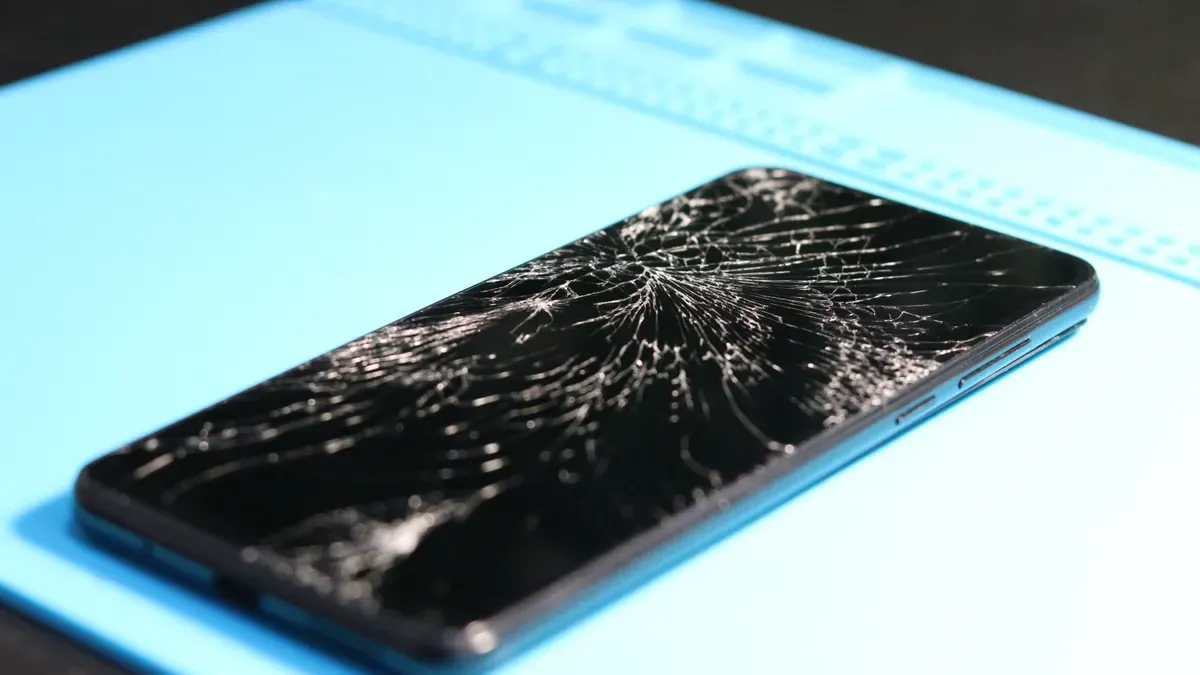
Smart glass and plastic materials soak up impact energy to keep delicate touchscreens from cracking.
Unique surface covers prevent glare, hide side views, and stop gross yellowing as time passes.
Shoppers need to review test results and check sample items before making big factory purchases.
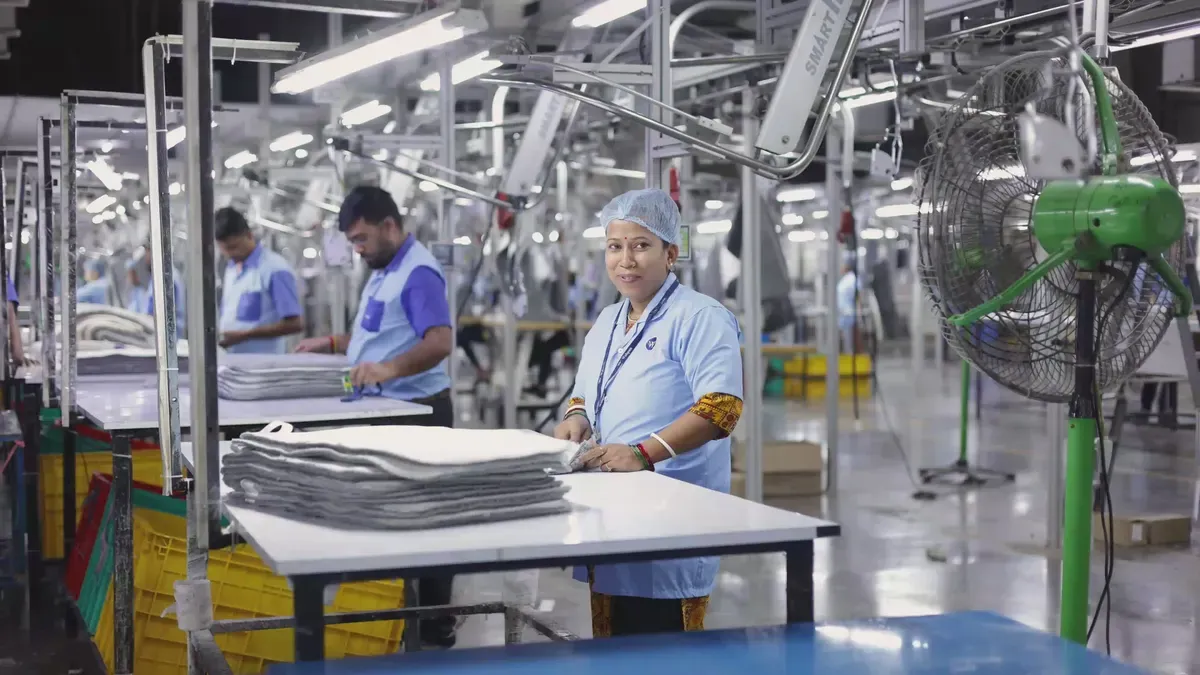
Partnering with certified factories keeps your global supply chain safe. ISO 9001 standards require screen protector factories to follow strict quality control rules on every assembly line. Engineers carefully test raw glass, sticky backings, and precision laser cutting. Following these standard factory rules cuts down on broken items and stops costly shipping delays.
ISO 14001 approval shows that a factory reduces environmental damage while making goods at scale. Factory leaders improve scrap recycling, lower power use, and track chemical fumes. These certified plants lower legal risks while meeting green buying requirements. You get top-quality customized screen protectors on time while supporting eco-friendly business choices.
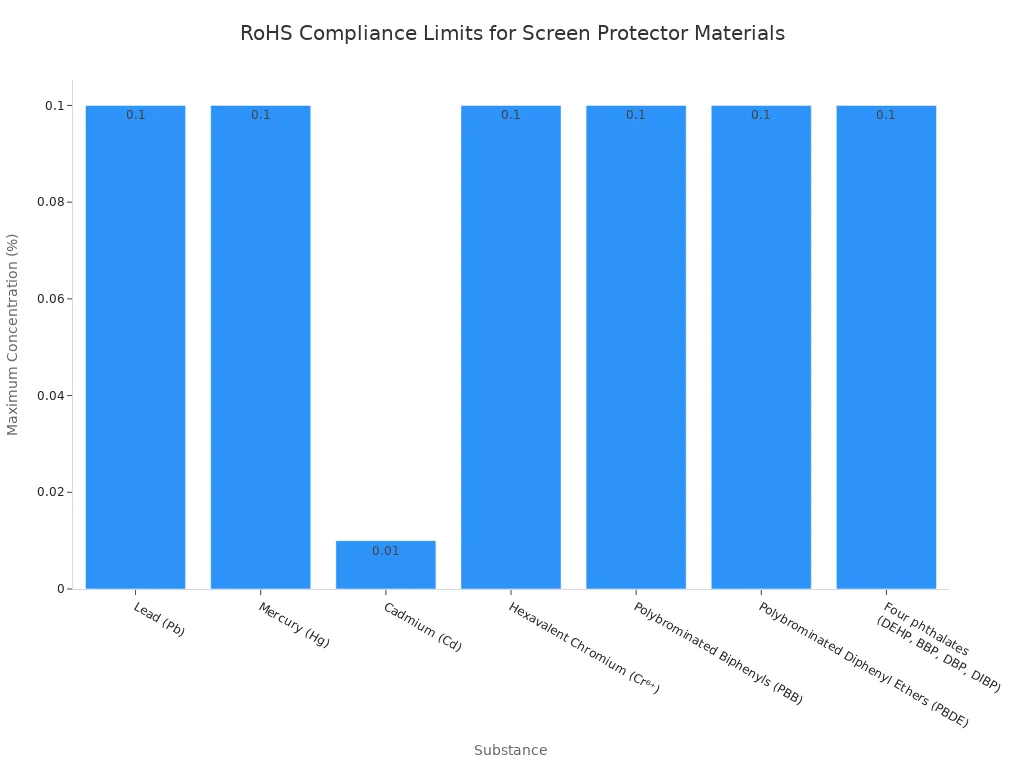
Check chemical safety rules before bringing screen accessories into big global markets. RoHS and REACH rules ban dangerous heavy metals and softeners in commercial plastics. Top testing groups like SGS and TÜV check chemical safety and test actual product samples for strength.
Substance | Maximum Concentration |
|---|---|
Lead (Pb) | 0.1% |
Mercury (Hg) | 0.1% |
Cadmium (Cd) | 0.01% |
Hexavalent Chromium (Cr⁶⁺) | 0.1% |
Polybrominated Biphenyls (PBB) | 0.1% |
Polybrominated Diphenyl Ethers (PBDE) | 0.1% |
Four phthalates (DEHP, BBP, DBP, DIBP) | 0.1% each |
Real lab reports prove that every product layer stays under these exact safety limits for hazardous materials.
CE marks show that tech accessories sold in European countries pass strict safety checks. Approved material mixes ensure no bad chemicals leak out during regular everyday use.
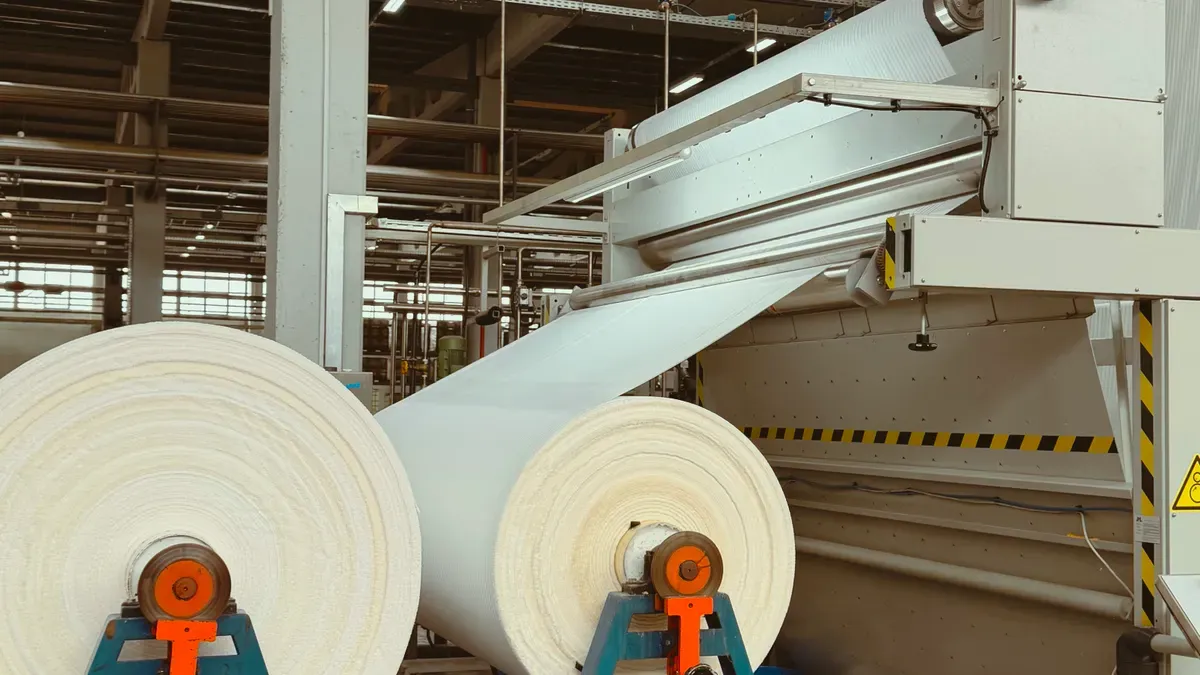
Finding reliable global partners is crucial when buying custom screen covers for business electronics. Top original equipment manufacturers (OEM) and original design manufacturers (ODM) make special protective gear for enterprise screens. Industry leaders like New Vision Display, Photodon, WeeTect, and ViaScreens use exact laser cutting for medical displays, factory touchscreens, store register systems, airplane controls, and handheld units. These specialized plants handle huge factory orders quickly, keeping every single piece cut to the exact same size.
Business buying managers also need tough covers to protect high-end phones and tablets. Top suppliers like X·ONE Advanced Protection Solutions offer great factory work backed by over 180 patents and sales in 60 countries. You can work with X·ONE to buy strong shields that protect fragile touchscreens from hard drops, scrapes, and heavy hits. Certified OEM and ODM plants use automated lasers, dust-free rooms, and precise glue application lines. They build custom-fit protective sheets that match your exact device shapes without slowing down touch sensitivity.
Modern protector factories use smart science to stop glass from breaking and help screens last longer. You can pick from different material layers, including strong tempered glass, shock-absorbing stacks, and flexible plastic mixes. These multi-layer designs put shock-absorbing plastic under hard glass to stop scratches and prevent cracks. Smart hybrid glass and bendable plastic materials work much better than regular glass, especially during hard hits on the edges.
New nano-composite films combine flexible plastics with tiny silica parts. These special layers make the material stretchier, soak up hard hits, and cut shock transfer by up to 30%. For modern bendable screens, top factories make super-thin glass just 0.03 millimeters thick using special glue bonding methods. Unique designs like the X·ONE DNA Guard system mix shock-absorbing layers with a special honeycomb pattern. This honeycomb shape spreads out shock energy fast, helping devices survive high drops up to 20 feet.
In addition, special surface treatments let you add helpful features and make screens easier to read in different lights. High-performance surface layers give your custom protectors many real benefits:
EnduraClear anti-yellowing shields keep the plastic clear and stop ugly fading over long periods.
AR Pro anti-reflective coatings remove bright glare and improve screen contrast in sunny outdoor light.
Anti-glare finishes spread out harsh lights to keep workers' eyes from getting tired during long shifts.
Privacy filters block side views so people nearby cannot see private company data on your screen.
Smooth nano-coating layers keep off water, skin oils, and messy fingerprint smudges.
Working with certified B2B screen protector makers ensures your custom covers get tough material layers and long-lasting surface coatings. High-quality materials lower device repair bills, keep touchscreens working smoothly, and deliver clear views for your entire team.
Check every factory carefully before you make your first purchase. Ask potential suppliers for recent test sheets from trusted labs like SGS or Intertek. Real reports show the exact lab name, the test date, and chemical safety numbers. Do not trust general safety pictures on colorful factory flyers. Using fake proof creates major legal trouble for your company. Real lab sheets prove proper ISO rules and safe materials before products ship out.
You can double-check these report papers by using simple online tools:
Use your phone to scan the QR code printed on the official lab paper.
Open the SGS document check page directly at https://www.sgs.com/en/verify-sgs-documents-form.
Type the paper reference number into official global product lists.
Checking these details keeps your business safe from illegal chemicals and poorly made products.
Ask for real sample pieces to test actual size accuracy and screen clear views. Good factories follow strict measurements when making custom screen covers. Regular hand-cutting needs a tiny gap under ±0.3 mm. Small smartwatches need super exact shapes so the cover lays flat. Workers leave a tiny 0.5–1 mm space between the screen edge and device case. Screen fingerprint readers need a tiny 0.18 mm cut space to work. Sensor holes must stay slightly bigger than the hidden camera lenses.
You need to test sample views, drop strength, and glue sticky power at your job site. Check glass clearness by measuring normal light levels passing through. Run tough scratch tests and chemical wipes to see how long smooth oil-resistant layers last. You can track coating quality by counting how many days of heavy touching the surface handles. Strong factory glues hold protective layers tightly together through long periods of daily use:
High-quality factory glues show zero peeling across 98% of the whole cover area during hard tests.
Testing real sample pieces ensures that your large factory order matches all your work needs.
Choosing certified factory partners keeps your worldwide hardware supply chain safe. You need to check suppliers by looking at quality rules, raw material strength, and precise custom making skills.
Check this smart business buyer list before sending out your order forms:
Check real ISO 9001, RoHS, and REACH lab safety test papers.
Compare strong tempered glass against bendable plastic mixes for soaking up hard hits.
Check exact screen hole sizes, edge fit spaces, and easy factory minimum order limits.
Working with trusted sellers ensures your business gets tough custom screen covers for company gear. Talk to certified factory teams now to ask for official lab test papers and custom sample pieces for your new device setup.
Look for ISO 9001 quality rules and ISO 14001 eco-friendly standards. Always ask for RoHS and REACH safety papers from reliable labs like SGS or TÜV. These official forms prove safe chemical levels and great factory work for your global orders.
Flexible polymer sheets soak up hard hits much better than regular glass. Smart patterns, such as the X·ONE DNA Guard honeycomb design, spread out drop energy fast. This bendable material stops corner cracks and shields fragile touchscreens during high falls up to 20 feet.
You can double-check real lab sheets quickly on the internet. Use your cell phone camera to scan the printed QR code on the paper sheet. You can also visit the main SGS paper check web page and type in the report tracking number to make sure it is real.
Add special surface layers to make device screens easier to read during daily work:
AR Pro anti-reflection coatings block bright sun glare outside.
EnduraClear clear-guard shields stop plastic from turning yellow over time.
Privacy filters block side views to keep secret business records safe.
Join X.ONE to access our best-selling original product,and leverage our end to end technical and marketing support to unlock new growth opportunities for your business.
 Material Support
 Training Support
 Marketing Support
 Exhibition Support
 Technical Support
 After Sales Support