 繁体中文
 Italian
 Spanish
 Thai
 Turkish
 Japanese
 Portuguese
 Russian
 French
 German
 Polish
 Arabic

Oct 21,2026
How to Identify a Trusted Partner for Global Mobile Accessory Supply Chains
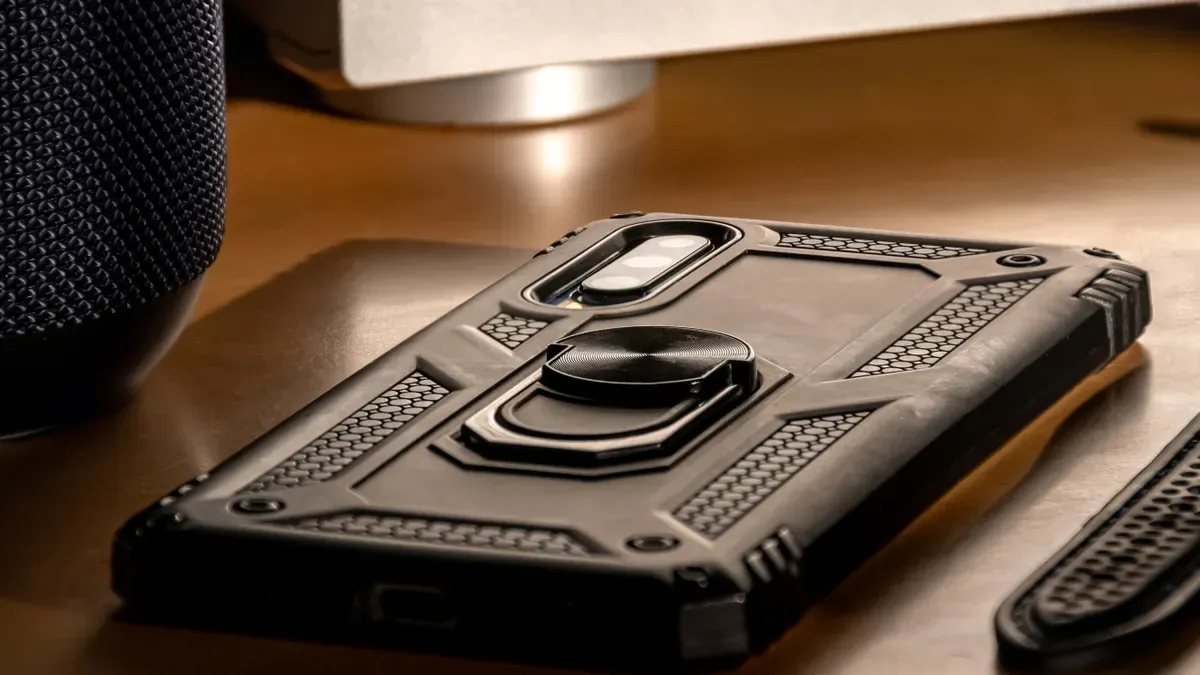
You can find smartphone protection products through B2B marketplaces, supplier discovery platforms, trade shows, regional manufacturing hubs, and direct manufacturer relationships. These five channels cover most buying needs in 2026.
The market keeps growing. Grand View Research estimates the global mobile accessories market will reach USD 112.47 billion in 2026, with a 7.8% CAGR from 2026 to 2033. Buyers now expect complete protection ecosystems, hydrogel films, stable stock, and certified quality.
Metric | Value |
|---|---|
2026 estimated global mobile accessories market size | USD 112.47 billion |
Forecast period growth rate | 7.8% CAGR from 2026 to 2033 |
Source | Grand View Research |
This guide shows you what to source, how to find suppliers, how to vet them, and how to scale your orders.
Start with B2B marketplaces like Alibaba. They give you fast access to many suppliers, low minimum orders, and quick price comparisons.
Start with one sales channel. This focus prevents wasted samples and scattered stock. Then stock protection categories for that channel's needs.
Check every supplier using a checklist. Ask for certifications, sample tests, and clear warranty policies. This step protects your profits and reputation.
Build strong bonds with suppliers. Long-term partners give better prices, early stock access, and stable supply. That keeps inventory steady.
Add hydrogel and anti-yellow materials. These trends answer the growing demand for foldables and curved screens. This choice keeps your catalog competitive.
First, decide your product list. A smartphone protection ecosystem has cases, screen protectors, camera lens guards, films, and chargers. Your channel shows which categories deserve priority.
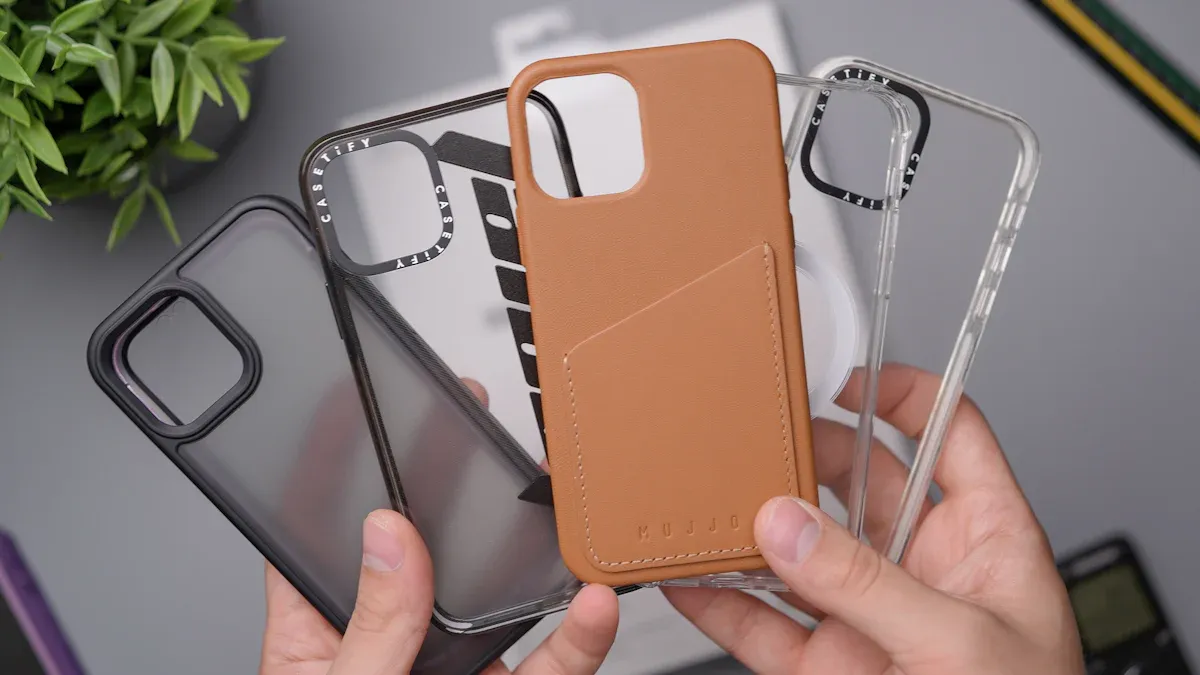
Phone cases are still the strongest wholesale category in 2026. Buyers want more durability, and wholesale custom phone cases answer that need directly. Screen protectors follow close behind because drops and scratches affect almost every device. Camera lens guards, protective films, and hydrogel covers complete the list. Charging extras like cable protectors and port plugs round out the ecosystem.
Selling these together makes your offer stronger. A bundle with a case, a tempered glass protector, and a camera lens guard gives full coverage. This method raises the average order value and reduces the urge to shop elsewhere. You also gain an edge over suppliers who list single, interchangeable items.
Your sales channel should guide your category choices. The table below shows how demand changes.
Channel | Demand traits | Sourcing direction |
|---|---|---|
Retail | Strong, profit-based demand; protection items offset thin phone profits | Bundle cases, protectors, and chargers; add-on rates can reach 70% |
Carrier | Stable, large-volume demand linked to ARPU and churn goals | Build activation bundles that meet brand standards |
E-commerce | Growing demand with strong price competition | List bulk bundles of 10–50 units to stand out |
Institutional | Niche but profitable; durability and hygiene matter most | Supply shock-proof cases and pre-installed protectors |
These results show what works. A U.S. electronics chain bundled cases, screen protectors, and chargers. Accessory gross profit beat phone profit by 35% over 12 months. A school district gave 10,000 phones shock-proof cases and pre-installed screen protectors at $11 per unit. It cut breakage by 40% and saved over $500,000. A regional carrier lowered per-unit costs to $9 with free accessory bundles. It raised satisfaction by 15% and cut churn by 12%.
Pick one channel for your inventory first. That focus stops wasted samples and scattered stock. Begin with the categories that fit your channel, then grow.
B2B marketplaces and supplier discovery platforms are some of the best tools for finding electronics and accessory suppliers. You can search common terms like wholesale cell phone cases or bulk cell phone accessories and get hundreds of results in seconds. Each platform works differently, so you should know what each one offers before you commit.
Alibaba, Global Sources, and Made-in-China lead the way in 2026. Each platform brings in a different type of supplier and buyer.
Platform | Verified Supplier Evidence | Buyer Protection | Typical MOQ | 2026 Relevance |
|---|---|---|---|---|
Alibaba | Verified Supplier tags with third-party checks | Trade Assurance escrow | 50–500 units | Broad selection for custom manufacturing; filter for smartphone accessories |
Global Sources | On-site verified exporters; consumer-electronics focus | Verified Supplier Program; limited escrow | 500+ units | Hong Kong shows in October 2026 allow physical supplier verification |
Made-in-China | SGS/Bureau Veritas audited supplier badges | Secured Trading Services escrow | 100–500 units | More focused catalog for technical/industrial products |
Global Sources works well for established buyers because its verified supplier profiles include business licenses, manufacturing capabilities, and quality-control systems. Made-in-China uses audited supplier programs with SGS, Bureau Veritas, TÜV Rheinland, and CTI. Audit reports are available online, which helps you make a shortlist of verified factories. Alibaba offers the widest selection and Trade Assurance payment protection, but you must actively filter to avoid copycat listings.
For stock cellphone accessories like cases, cables, and screen protectors, Alibaba and Made-in-China suppliers can offer MOQs as low as 10–50 units. Custom-branded accessories usually require 500–2,000 units. Some suppliers accept a lower first-order MOQ with standard materials and packaging.
Marketplaces give you variety and price comparison in one place. You can sample multiple suppliers, compare pricing ranges, and explore product options without traveling. This makes them great for initial sourcing exploration.
The downsides matter just as much. Quality varies sharply by supplier, and many listings are scraped or stale. Inconsistent quality in screen protectors can damage your reputation quickly. Stock instability is another real risk. A supplier who has inventory today may not have it next month.
Specialized B2B marketplaces work well for exploration mode. They become risky when you need consistent long-term stock, multi-location scaling, or low returns. For those goals, you should look at manufacturer and OEM/ODM wholesale partners instead. These partners enable custom packaging, film specs, and brand identity. They offer branding control, higher margins, and differentiation. The trade-offs include higher MOQs, more quality variance without auditing, and longer lead times.
Wholesale aggregators and regional distributors offer speed. They help you get inventory faster, reduce shipping complexity, and avoid import delays. Unit costs run higher than buying direct, and you have less SKU control. Treat them as a secondary supply lane, not a core scaling strategy.
Official wholesale programs from category leaders give you the best mix of margin and brand. These programs include tiered pricing, marketing support, distribution opportunities, dedicated sales reps, and long-term stock planning. You should demand a clear tier structure, reliable inventory, a product innovation roadmap, and reseller support.
Trade shows let you meet suppliers in person. You can hold samples, test materials, and build real relationships. No marketplace listing or email chain can replace that. A handshake and a product demo tell you more than any spec sheet.
Several global expos serve the mobile accessory industry. Global Sources holds consumer electronics shows in Hong Kong, including an October 2026 event. These shows bring together verified exporters and give you physical access to supplier booths. You can compare screen protector clarity, case flexibility, and hydrogel samples side by side.
Other regional shows in Asia, Europe, and North America focus on mobile accessories and consumer tech. Each event draws different supplier types. Asian shows tend to feature factories and OEM/ODM manufacturers. European and North American shows often include distributors and brand representatives. Pick the show that fits your sourcing goals.
A show visit only pays off if you prepare. Before you travel, study the exhibitor list and make a shortlist of booths. Target suppliers that match your product categories and business model. Bring your evaluation checklist and a clear list of questions about certifications, MOQs, and lead times.
At the show, handle every sample yourself. Ask about material composition, drop-test results, and anti-yellow performance. Collect business cards and write key details on each one. After the show, follow up within one week while your impressions are still fresh. Send a short message that mentions your booth conversation and asks for a quote or sample order. This timeline keeps momentum and shows suppliers you are serious.
Where a supplier is located affects your cost, speed, and risk. Pick a hub that fits your target market and order size.
China is still the best choice for complex electronics. The Shenzhen-Dongguan area puts parts, PCB making, tooling, and assembly in one place. Coastal wages are about $6–8 per hour. Production usually takes 30–60 days. Ocean shipping to the US West Coast takes 14–18 days. Section 301 tariffs are usually 25% on most goods. Some items fall to 7.5% or 0%.
India has lower labor costs at about $2–3 per hour. But gaps in worker output can cancel that benefit. Its electronics industry is more spread out. India faces no Section 301 tariffs. Standard MFN duties range from 0–20%, based on the HTS code. Lead time is 45–75 days. Ocean transit to the US takes 20–25 days.
Vietnam is a strong export base with close supply links to China. Broad free-trade deals like the EVFTA lower tariffs for goods going to the EU. Watch for the Tet shutdown in January and February. Also watch for peak-season capacity limits and higher MOQs than small-batch suppliers in China. Mexico offers short shipping times to the US and Canada. Products that qualify get USMCA tariff treatment. Unit costs are higher than in most of Asia. USMCA rules of origin need careful design.
Tariffs apply to parts and materials, not just finished products. Moving final assembly out of China does not remove tariff risk unless the whole supply chain moves.
A local agent helps you find suppliers despite language barriers and unfamiliar payment systems. Agents bridge communication gaps, negotiate bulk prices, and find trustworthy suppliers in complex markets like Huaqiangbei. They guide you through local payment methods such as WeChat Pay and Alipay.
Agents also check whether a supplier is a real factory or just an assembly shop. They visit factories that same week to check production ability, staffing, equipment, and quality controls. They set up testing with approved labs and use those checks during batch inspection. Agents help you handle MOQs, protect your intellectual property, and pick the right ODM or OEM model. They can also handle Amazon prep and labeling before shipment. Put scope, confidentiality, and ownership of drawings, firmware, and tooling into a formal agreement.
Your profit depends on quality and steady stock. One bad batch of screen protectors can cause returns that eat up a month of profit. So use a clear checklist.
Evaluation Criterion | Why It Matters |
|---|---|
Product Quality | Lowers warranty claims and returns |
Testing Procedures | Makes sure products work reliably |
Certifications | Shows the factory follows standards |
Inventory Availability | Helps fast and steady delivery |
Warranty Policy | Builds customer confidence and trust |
Technical Support | Helps with setup and fixing problems |
Packaging Quality | Stops damage during shipping |
Export Experience | Makes customs and shipping easier |
Good manufacturers check quality at every stage. They inspect materials when they arrive. They test touchscreen response, check screen brightness, adjust color, look for dead pixels, and test flex cables. They run final tests before shipping. Many factories also do drop tests, aging tests, and package checks. These steps keep products safe in transit. ISO-certified makers use the same process every time.
Certifications are trust signs. Apple MFi approval shows an accessory works with iPhones. Qi certification proves safe wireless charging. SGS and TÜV testing confirm durability.
X·ONE says that Apple MFi approval, Qi wireless certification, and SGS and TÜV testing show that products meet global certification standards. These checks ensure safety, durability, and reliable daily performance.
Follow three verification steps.
Check if the supplier is real. Ask for their grading standard in writing, current customer references, proof of sourcing, and a clear return policy. Confirm the supplier checks each IMEI against carrier blacklists. Start small before committing big money.
Inspect and test every unit. Check the IMEI, activation lock status, battery health (80% or above for Grade A), display function, and cosmetic grade.
Grow step by step. Show that each unit earns a profit in the first 90 days. Reinvest profits into larger orders by month 9. Add one new channel in months 9 to 18. Add more suppliers in year two.
Prices much lower than the market point to lower quality.
Unclear specifications are a concern.
Refusal to provide samples is a warning sign.
Inconsistent documents show weak control.
Slow answers after payment suggest trouble.
Unclear warranty policies create risk.
Unstable inventory ruins supply stability.
Silent material changes hurt your brand.
Minimum order quantities, or MOQs, vary by category.
Category | Typical MOQ (low) | Typical MOQ (high) |
|---|---|---|
Cases and screen protectors | 50 units | 10,000+ units |
Cables and chargers | 100 units | 5,000+ units |
AirPods / TWS earbuds | 20 units | 1,000+ units |
New smartphones (mid-tier) | 100 units | 10,000 units |
New flagship phones (iPhone, Galaxy S) | 500 units | 50,000+ units |
Cases and screen protectors have the widest MOQ range. Chinese factories set most of these MOQs. You can start at 50 units and grow past 10,000. The biggest price drop per unit happens when you go from below the MOQ to the MOQ, not at higher tiers.
Tiered pricing rewards larger orders.
100–499 units: list price
500–1,999 units: −1.5%
2,000–4,999 units: −3%
5,000+ units: negotiated, usually −5% or more
Custom logo cases need artwork upload, proofing, setup fees, and longer lead times. The price per unit runs higher due to logo printing. Rugged enterprise lines cost the most because of multi-layer build and waterproofing claims.
Pick a factory that can grow with you. Big factories keep steady schedules during seasonal promotions. Start small, test quality, then scale with the same partner. This builds trust.
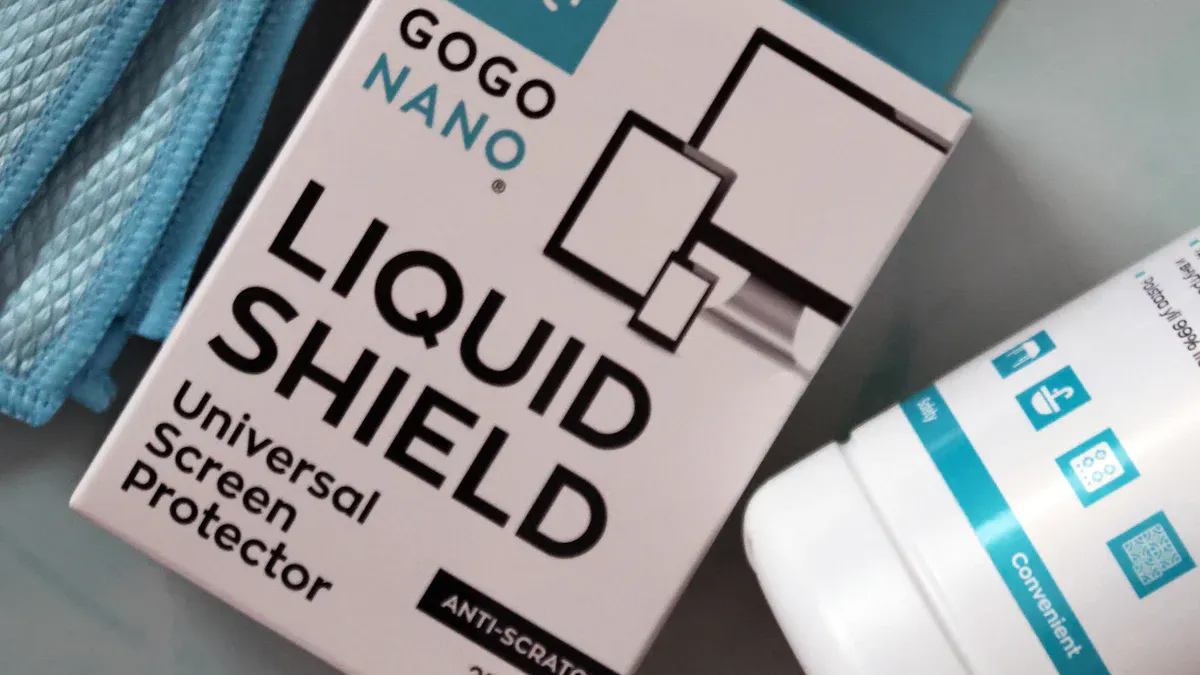
Screen protection has moved past plain tempered glass. Buyers now want materials that work with curved screens, flexible devices, and everyday drops. Hydrogel leads this change.
Hydrogel is a bendy polymer film. It fixes tiny scratches over time. Light scuffs fade away. It stays very clear and hugs curved edges tightly. This makes it the top pick for foldables and rounded screens. Foldables grow 24% each year, so flexible protection demand grows with them.
Hydrogel also fixes fit problems. Bezels shrink, and edges curve. Hard glass cannot cover these shapes without gaps. Hydrogel stretches and wraps around them neatly. That means fewer bubbles and easier installation. Consumers now care most about bubble-free installation, especially on foldable hinges. If you sell protection for modern flagship phones, include hydrogel.
Beyond hydrogel, several materials are worth your attention.
Material / Coating | Key Feature | Notable Detail |
|---|---|---|
Impact-absorbing tempered glass | Rigid, scratch-resistant, high clarity | Thickness from 0.2mm ultra-thin to 0.5mm impact-absorbing |
Liquid glass (nano-ceramic) | Wipe-on coating, bonds chemically | Forms a 500-nanometer hardened layer, zero impact absorption |
Privacy filters | Micro-louver film limits viewing angle | ~30° viewing angle, ~35% brightness loss |
Self-healing TPU films | Flexible polymer, thermal recovery | Dominant for foldables and curved screens |
Oleophobic coating retention | Premium protectors replicate factory glide | Cheaper coatings degrade within 2–3 weeks |
Use this table to match materials with what customers need. Impact-absorbing glass works for people who drop phones often. Privacy filters help commuters. Liquid glass adds scratch prevention, not drop protection, so pair it with a case.
Anti-yellow coatings matter just as much. Clear films and cases can turn yellow from sunlight and heat. Premium protectors add anti-yellow layers that slow this aging. The result stays clear longer, which boosts perceived quality and cuts returns. Impact-absorption structures also get better. Multi-layer designs and honeycomb patterns spread shock energy before it reaches the phone glass. These features turn a simple film into a full ecosystem and give you a clear story for customers.
Smart buying is more than just finding a supplier and placing an order. You are building a partnership that grows over time. This shift in thinking separates the buyers who struggle from those who grow.
A strong supplier relationship pays you back in pricing, timing, and profit. The table below shows how relationship strength changes your results.
Relationship Strength | Avg Discount | Access Timing | Resale Value per Unit | Net Margin |
|---|---|---|---|---|
Strong Partnership | $25 | Immediate | $460 | $35/unit |
Moderate Relationship | $15 | Delayed 2 wks | $445 | $20/unit |
Weak/Transactional | $0 | Delayed 1 mo | $430 | $0/unit |
You earn these benefits through consistent behavior. Reward good suppliers with repeat business. This creates a positive cycle. Suppliers then offer better prices, early access to stock, or easier payment terms. When demand peaks, like a flagship release, loyal buyers with proven payment and communication histories come first.
For example, when a new iPhone launches, suppliers let loyal buyers clear older models first. Those buyers negotiate better discounts so they can resell before market values drop more. Deal chasers, by contrast, often get leftover stock at higher prices after value drops.
One supplier is a single point of failure. A factory fire, a shipping delay, or a sudden price hike can empty your shelves. You need backup sources for every core category.
Spread your orders across two or three qualified suppliers. Give your main partner the larger share. Keep a second supplier active with smaller orders. This keeps the relationship strong and shows their reliability. When your main supplier has no stock, you shift volume without losing sales.
More suppliers give you negotiation power. You can compare prices and delivery times between partners. Suppliers know you have choices, so they try harder to keep your business. This protects you from price jumps and keeps your profits stable.
X·ONE shows you what a strong protection supplier should look like. The brand began in 2009 and has worked in mobile protection for over 16 years. It has sold more than 100 million units and now works in over 60 countries. These numbers show the company knows how to handle global distribution at a large scale.
The product range covers 15+ categories, from cases and screen protectors to charging accessories. That wide range helps when you want to build a full ecosystem with one partner. The technology behind it supports this too. DNA Guard gives 6-meter drop protection. EnduraClear™ anti-yellow technology keeps clear cases and films looking new longer. The company holds 180+ patents and awards for its material science and engineering work.
Certifications show which suppliers are serious and which are not. X·ONE has Apple MFi approval, Qi wireless certification, and SGS and TÜV testing. These are the same trust signals you should ask for from any partner. The reseller network covers 5,000+ partners across six continents. That reach shows the brand can serve different markets and channels. Partner support covers material, training, marketing, exhibition, technical, and after-sales needs. You get help at every stage, not just when you buy.
Use X·ONE as a scorecard when you compare other suppliers. The table below shows the criteria that matter most.
Benchmark Area | What to Check |
|---|---|
Technology | Proprietary protection tech, patents, drop-test ratings |
Certifications | Apple MFi, Qi, SGS, TÜV, or equivalent third-party testing |
Product Range | Enough categories to build a complete ecosystem |
Global Reach | Reseller network size and regional coverage |
Partner Support | Material, training, marketing, technical, after-sales help |
Ask each supplier for proof on every line. Request patent numbers, certification documents, and drop-test reports. Ask how many active resellers they support and in which regions. Then ask what happens after you place an order. A supplier who offers training, marketing materials, and technical help will protect your margins long-term. A supplier who only ships boxes will leave you to solve problems alone. Hold every candidate to the X·ONE standard, and you will avoid weak partners.
A smart buying plan keeps your money and your good name safe. You test first, learn from real sales, and grow only when the numbers back it up. This works for any business size.
Start with a trial order. This step checks both quality and demand before you spend real money. The table below shows what a trial looks like for common cases.
Order Scenario | Recommended Trial Quantity | Notes |
|---|---|---|
Standard models (trial order from reliable supplier) | 50–100 units | Typical MOQ range; ordering below 50 units usually means paying retail-level markup even if labeled "wholesale" |
Private-label / custom branding | 1,000 units minimum | Offered by many factories; expect 4–6 week lead time plus plate fees of $120–$280; smaller runs ship in generic white boxes |
Check your samples for display quality, touch response, fit and alignment, Face ID or True Tone function, flex-cable strength, and adhesive quality. A supplier who won't give samples is a warning sign. Watch for other red flags too: no proforma invoice, payment methods you can't trace, vague delivery times, no photos of real stock, or MOQ changes after you pay.
Follow a proven growth order. A 20-piece sample that does well leads to a 100-piece reorder. That reorder then turns into a monthly standing order. Restock based on real demand. For orders under 100 kg, use air freight to save cash flow and restock faster. Always check stock before you pay, especially for fast-selling models.
You have several levers to negotiate. Minimum order quantities, payment terms, lead times, and exclusivity all change your total cost and risk. Use your sample order as a stepping stone. Promise a reorder schedule when you talk about MOQ. This shows steady demand and can justify a lower first bulk MOQ.
Talk about warranty and defect terms before you scale. Document any defects with photos or video. For high-value orders, think about third-party inspection. These steps protect your full-volume orders from bad-unit losses and unclear return handling.
Your sourcing journey covers five main channels. B2B marketplaces and supplier discovery platforms give you quick access to options. Trade shows let you handle samples in person. Regional hubs offer different cost and speed trade-offs. Direct manufacturer relationships deliver the best margins and support. The right choice depends on your product focus and business model.
Vet partners with a checklist. Check certifications, test samples, and watch trends like hydrogel. Think long-term instead of chasing the lowest price. A supplier relationship protects your stock and margins.
With the right strategy, any business can build a competitive protection ecosystem. Start small, test quality, and scale. You can find suppliers who grow with you.
Start with B2B marketplaces. They have low minimums and fast price checks. Move to trade shows or direct manufacturers when your order grows. What you sell and your budget decide the best choice.
Ask for Apple MFi approval, Qi wireless certification, and SGS or TÜV testing reports. These papers show a factory meets global safety and strength standards. Request patent numbers and drop-test results as extra proof.
Place a trial order of 50–100 units. Check display quality, touch response, fit, and adhesive strength. A supplier who refuses samples is a red flag. Order more only after your samples pass.
Hydrogel fixes light scratches by itself and stays clear. It wraps curved edges without bubbles. Foldables grow 24% each year, so demand for flexible protection rises. Flagship phones need this material.
Keep two or three strong suppliers for each core category. Give your main partner the bigger share. A backup supplier protects you from stockouts, price jumps, and factory delays.
Join X.ONE to access our best-selling original product,and leverage our end to end technical and marketing support to unlock new growth opportunities for your business.
 Material Support
 Training Support
 Marketing Support
 Exhibition Support
 Technical Support
 After Sales Support