 繁体中文
 Italian
 Spanish
 Thai
 Turkish
 Japanese
 Portuguese
 Russian
 French
 German
 Polish
 Arabic
Oct 29,2026
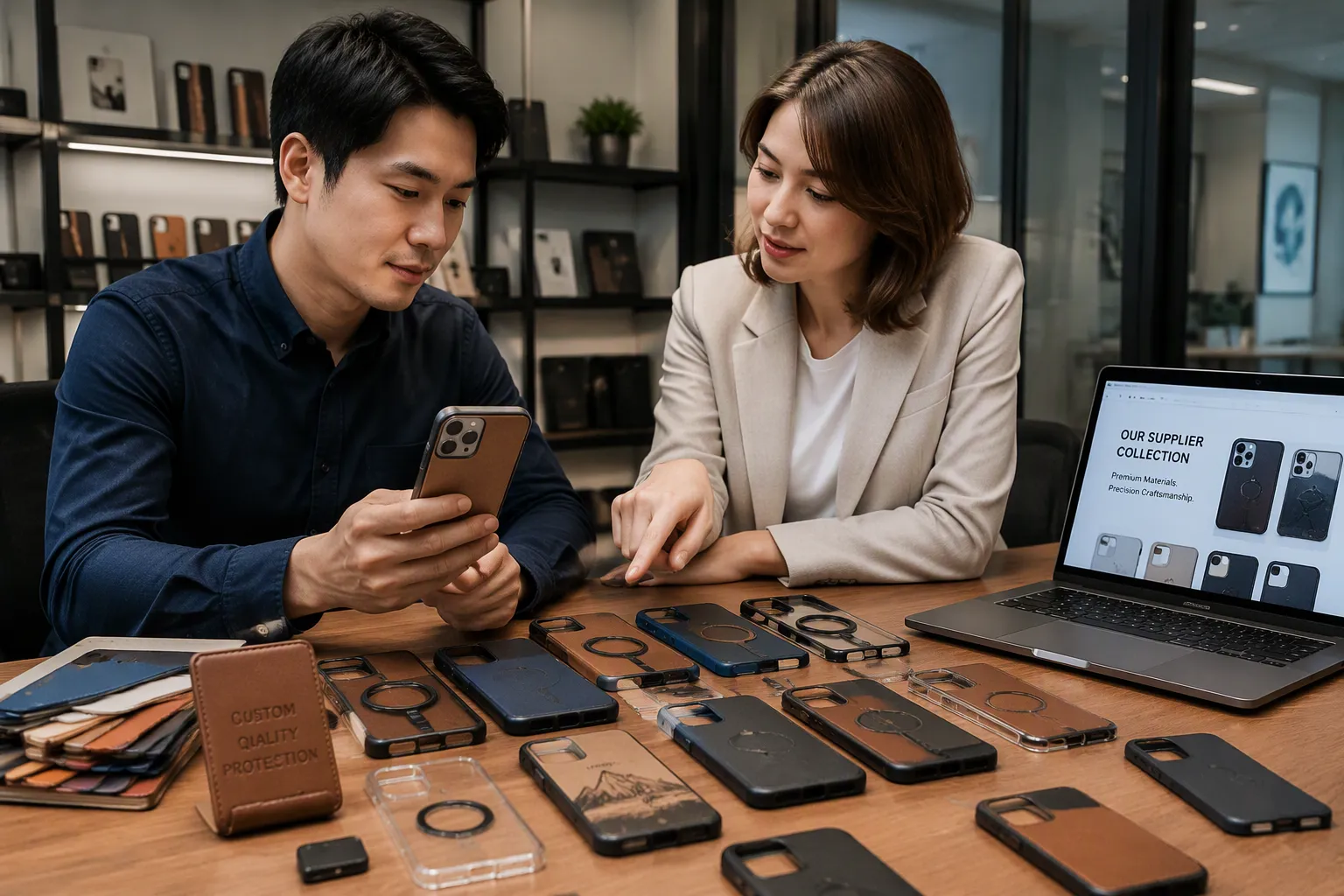
How to Find Premium Suppliers for Customized Mobile Protection Solutions
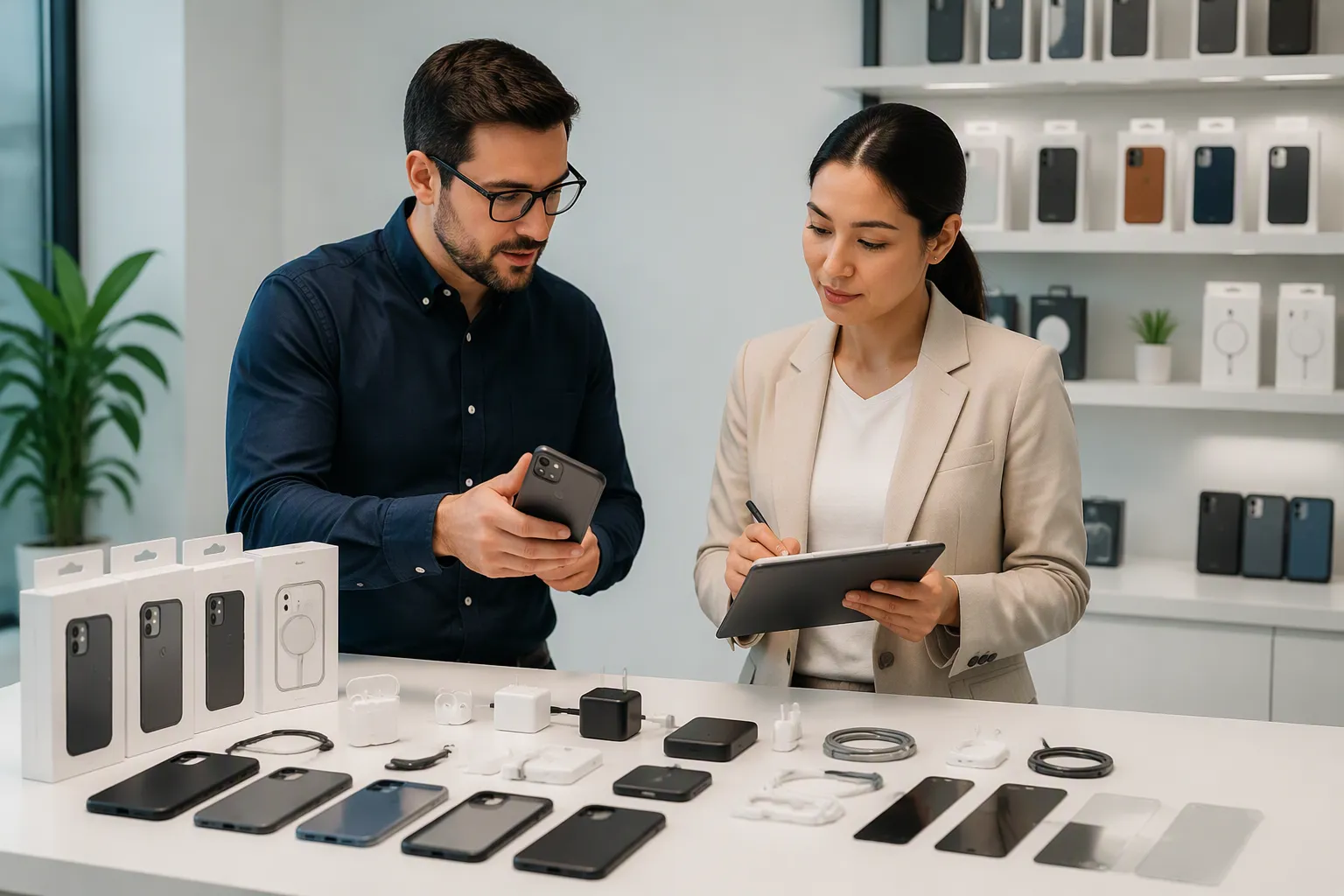
This post profiles six companies with proven experience in the mobile accessories market: X·ONE, OtterBox, Anker, Belkin, Spigen, and Mophie. Each one has earned a track record as a product development company that can be checked. The evaluation rests on six criteria: years in the market, product range, technical performance, application fit, regulatory compliance, and cost. These measures let buyers compare accessories on equal terms. The post closes with a comparison summary. That summary helps readers match a brand to their needs. Readers seeking a reliable shortlist of product development companies will find the answer here, backed by experience they can verify.
Six things help you compare mobile accessory companies fairly: how long they have been in the market, the range of products they offer, technical performance, how well the products fit your needs, following the rules, and cost.
Each brand is strong in one clear way: X·ONE and OtterBox lead in protection, Anker in charging, Belkin in compatibility, Spigen in design value, and Mophie in portable power.
Look for certifications like Apple MFi, Qi, and USB-IF. These marks show that a product meets safety and compatibility standards.
Pick the brand that fits what you need. Choose X·ONE or OtterBox for toughness, Anker for fast charging, Belkin for a fit you can count on, Spigen for low-cost style, and Mophie for long battery life.
Distributors should ask about training, marketing, and after-sales support. A full-service partner helps launch products successfully.
Six criteria give buyers a fair way to judge a product development company. Market longevity shows how long a firm has served the mobile accessories market. Product range shows how many categories a brand covers, from chargers to cases. Technical performance measures drop protection, charging speed, and material durability. Application fit checks whether products suit specific devices and daily use cases. Regulatory compliance confirms independent certification, such as Apple MFi or Qi approval. Cost covers the retail price against the value delivered.
These criteria work together. A long history means little without certified quality. A wide catalog means little without products that fit real devices. Buyers can use the same six measures on every brand and compare results fairly.
The mobile accessories market has many established players. Some firms have sold accessories for decades. Others entered recently and are still building their reputation. This post focuses on companies with a track record you can check. A proven track record separates brands that ship reliable products from brands that only promise them.
A strong track record also shows staying power. Firms with deep industry experience understand how smartphones and their accessories change. They expect new ports, new charging standards, and new form factors. That experience protects buyers from short-lived products and discontinued lines. The consumer electronics and mobile accessories sector moves fast, and only a product development company with real experience keeps up. The sections below apply the six criteria to each profiled brand.
X·ONE started in 2009 and has built proven experience in protection engineering for mobile devices. The company has sold more than 100 million units worldwide. Its products reach users in over 60 countries. A network of more than 5,000 resellers across six continents supports that reach. X·ONE holds more than 180 patents and awards. The brand covers over 15 product categories, grouped into power, protect, portage, and play lines. This breadth supports successful product launches across many device types. Buyers of mobile accessories can find X·ONE products through both online and offline retail channels.
X·ONE builds its protection around hybrid polymer impact protection and reinforced tempered glass. The company's DNA Guard 6m Drop Protection uses a honeycomb structural design. It delivers 6-meter drop protection in a slim profile. Surface Protect Tech keeps devices looking new over time.
Technology | Technical Specification (as stated) |
|---|---|
DNA Guard 6m Drop Protection | Uses a honeycomb structural design; delivers 6-meter drop protection in a slim profile |
EnduraClear™ Anti-Yellow Tech | Anti-yellow surface technology; applied alongside AR Pro coating (glare reduction) and nano coating (water/oil repellency) |
Impact Fusion shock absorption uses a multi-layer build that absorbs direct impact and spreads residual force across layers; independent tests report up to 7 times the impact protection of an unprotected screen, backed by 180+ patents and awards.
These technologies matter for screen protectors and cases alike. X·ONE products carry Apple MFi approval, Qi wireless certification, and testing by SGS and TÜV. The brand's cost position reflects premium packaging and proprietary technology. As a product development company, X·ONE offers distributors and retailers material, training, marketing, exhibition, technical, and after-sales support. That support helps partners serve buyers of smartphones and related accessories with confidence.
OtterBox made its name by building tough gear that guards devices. The company started with waterproof boxes for outdoor equipment. Later, it moved into phone protection. That past gives the brand proven experience in the mobile accessories market. Today OtterBox sells protective cases in several series. These range from slim everyday shells to heavy-duty models with sealed ports and raised edges. The catalog also includes screen protectors, power banks, and mounting systems for cars and desks.
The range fits buyers who care most about durability. Many OtterBox cases have drop-test ratings and pass military-standard drop testing. The brand openly cites this public benchmark. The company designs cases for major smartphones from Apple, Samsung, and Google. Buyers who compare product development companies often put OtterBox at the rugged end of the spectrum.
OtterBox focuses on multi-layer construction. Hard outer shells resist scratches, and soft inner liners soak up shock. Raised bezels keep glass off flat surfaces. The brand also sends its accessories for independent drop testing. Its wireless charging cases carry Qi certification. These steps help support reliable daily performance.
Cost runs higher than budget rivals. OtterBox sees itself as a premium option, and its prices show that stance. Buyers pay for tested protection and a limited lifetime warranty on many cases. A product development company with this focus appeals to users who keep devices for years. The trade-off is clear: heavier cases and higher prices in exchange for tested defense. Buyers who want maximum protection from a company with a long track record will find OtterBox a strong fit.
Anker made its name on charging, and that focus gives the brand proven experience in the mobile accessories market. The company began by selling replacement batteries and laptop power products. It then grew into phone chargers, charging cables, and power banks. Today Anker sells wall adapters, car chargers, wireless chargers, and high-capacity portable batteries. The catalog also covers hubs, docking stations, and audio products. This range serves buyers who want reliable power for smartphones and tablets.
Anker sells through its own online store, major marketplaces, and retail partners in many regions. That distribution gives the brand wide visibility among buyers of mobile accessories. The company also runs a support and warranty program that covers its products after purchase. Buyers who compare product development companies often place Anker at the charging end of the list. The brand's product lines stay current with new charging standards as they arrive.
Anker puts money into its own charging technology. Its power adapters use compact designs and smart power management. The company's charging cables use reinforced connectors and stress relief at the joints. Many Anker products carry USB-IF certification and Qi approval for wireless charging. These certifications give buyers a checkable sign of safety and compatibility. Anker also prints output ratings on its packaging, so buyers know what each adapter delivers.
Cost is a central part of the Anker story. The brand prices its accessories below many premium rivals while keeping solid build quality. That balance appeals to buyers who want dependable power without a high price. A product development company with this profile suits users who charge devices daily and need gear that lasts. Anker's experience in power electronics shows in its steady product refreshes. Buyers who put fast charging and fair pricing first will find Anker a strong fit.
Belkin started in 1983 by making computer cables. The company moved into phone accessories as phones became everyday tools. That long history gives Belkin proven experience across several device eras. Few product development companies have seen so many connector standards come and go. Belkin adapted to each change and kept its catalog up to date.
Today Belkin sells cases, screen protectors, charging cables, wall adapters, car chargers, wireless charging pads, power banks, audio products, and connectivity hubs. The range covers Apple, Samsung, and Google smartphones, plus tablets and laptops. Buyers can equip a whole household from one brand. Belkin also sells through major retailers and its own online store, so stock stays easy to find. This breadth makes Belkin a convenient stop for buyers who want matching gear.
Belkin builds its reputation on fit and certification. The company was among the first to earn Apple MFi approval for its Lightning and USB-C products. MFi approval means Apple has tested the accessory against its own specifications. Belkin wireless chargers also carry Qi certification from the Wireless Power Consortium. Many of its cables hold USB-IF certification as well. These named standards give buyers a checkable sign of safety and device compatibility.
Application fit shows in the details. Belkin designs cases with precise cutouts for ports, cameras, and buttons. Its screen protectors ship with alignment frames that help users place glass correctly on the first try. A product development company with this discipline reduces returns and frustration. Cost sits in the mid-to-premium range, which reflects certified components and retail support. Buyers who value guaranteed compatibility over the lowest price will find Belkin a strong fit. The brand suits users who want accessories that simply work with their devices.
Spigen became known for slim cases that look good and cost little. The brand sells a large catalog of cases, screen protectors, charging cables, and small accessories. Buyers can find a fit for most major smartphones without paying high prices. That mix of design and value gives Spigen proven experience in the mobile accessories market.
The catalog depth shows in the details. Spigen offers clear cases, rugged cases, and wallet styles all under one roof. Its screen protectors come with alignment tools that help users install glass cleanly. Pricing stays in the budget-to-mid range, which suits buyers who replace gear often. Spigen updates its lineup with each new phone launch, so stock stays current. Buyers who want style and fair pricing from a product development company will find Spigen a strong fit.
Mophie focuses on portable power, and that narrow focus gives the brand proven experience with power banks and battery cases. The company sells power banks in several capacities, plus wireless charging pads and battery cases for select phones. Buyers who need backup power on the go often put Mophie on their shortlist.
The specifications tell the story. One Mophie power bank carries a 10,000mAh battery (3.7V/37Wh) and a rated capacity of 5,500mAh at 5V/3A. Its energy conversion efficiency reaches at least 70 percent. Independent testing of a 20,000mAh model measured 83.57 percent usable capacity against the claimed figure and 83 percent charging efficiency. These results give buyers a checkable view of real-world output.
Mophie prices its power banks in the mid-to-premium range. The brand targets users who want tested power delivery over the lowest price. Among product development companies, Mophie stands out for power specialization. Buyers who prioritize battery life will find it a strong fit.
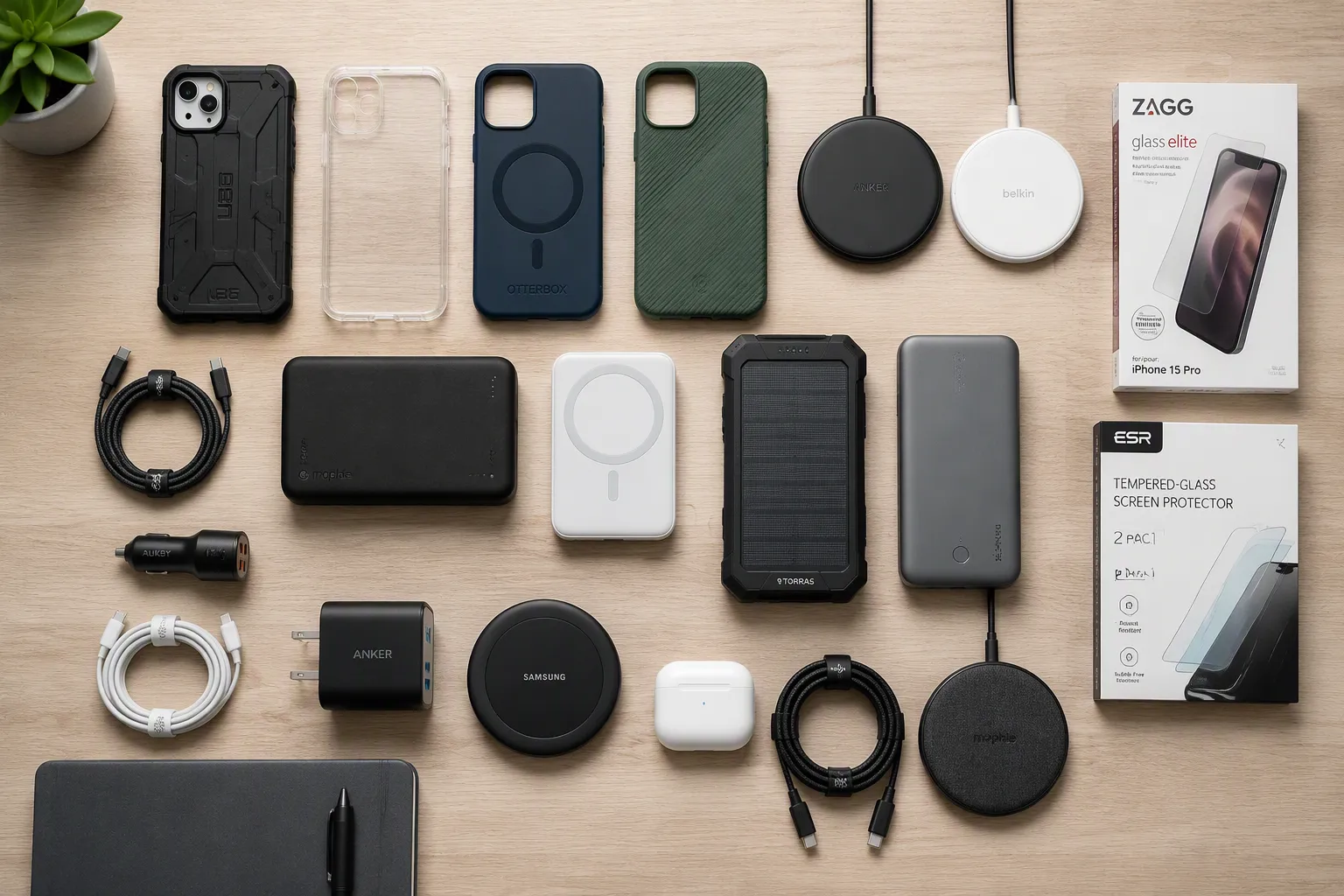
A side-by-side look shows where each brand spends its effort. The table below rates the six brands we profiled against the six evaluation criteria.
Brand | Longevity | Range | Technical Performance | Application Fit | Compliance | Cost |
|---|---|---|---|---|---|---|
X·ONE | Since 2009 | 15+ categories | 6m drop protection, anti-yellow tech | Power, protect, portage, play | Apple MFi, Qi, SGS, TÜV | Premium |
OtterBox | Decades in protection | Cases, power, mounts | Military-standard drop testing | Rugged and everyday cases | Qi on wireless cases | Premium |
Anker | Long charging history | Chargers, cables, power banks | Smart power management | Daily charging | USB-IF, Qi | Budget to mid |
Belkin | Since 1983 | Broad, multi-device | Certified components | Precise cutouts, alignment frames | Apple MFi, Qi, USB-IF | Mid to premium |
Spigen | Established case maker | Deep case catalog | Slim, clean design | Most major phones | Standard marks | Budget to mid |
Mophie | Power specialist | Power banks, battery cases | Tested output, 83% charging efficiency | On-the-go backup | Qi | Mid to premium |
Other well-known brands also serve the US mobile accessories market. Apple and Samsung sell their own gear for their own smartphones. ZAGG, Incipio, and Speck fill out the field with cases, screen protection, and power. Each one offers a valid option.
No single brand wins in every category. Buyers should match a product development company to what matters most to them. For durability, look at X·ONE and OtterBox. For fast charging and fair prices, look at Anker. For guaranteed compatibility, look at Belkin. For style on a budget, look at Spigen. For battery life, look at Mophie.
Distributors and retailers can use the same thinking. A partner who wants premium packaging, proprietary technology, and full support will value a product development company like X·ONE. Buyers who care most about certification can check the named standards on each box. This approach turns a crowded field of mobile accessories companies into a clear shortlist. Each brand here has earned a strong track record. The right pick depends on what the buyer needs.
Buyers should begin with a short list of questions. First, ask how long the company has been in the mobile accessories market. A long history shows the company is likely to stay. Second, ask which certifications the products have. Well-known marks like Apple MFi or Qi give buyers a sign of safety they can check. Third, ask about the warranty and after-sales support. A good product development company stands behind its gear after the sale.
Distributors need to ask different questions. They should ask whether the company offers product development services beyond its catalog. A full-service product development firm can help launch products successfully with training, marketing, and technical help. Partners should also ask how the company handles hardware development and how fast it can bring new products to market. These answers show the difference between a reliable partner and a company that just sells from a catalog.
Cost and compliance pull in opposite directions. Certified parts cost more than uncertified ones. Buyers who chase the lowest price may end up with accessories that fail early or damage a device. A good product development company builds compliance into the price instead of cutting corners. Buyers should compare the total cost of ownership, not just the sticker price.
The right balance depends on how you use the product. Daily users who charge devices often should pay for certified power products. Casual users may accept a lower price point. Among product development companies, the strongest options publish their certifications and prices clearly. That transparency lets buyers weigh cost against compliance without guesswork. Companies that bring new products to market with named standards give buyers a fair basis for comparison. The best product development company makes that trade-off easy to see.
The six brands each focus on different strengths. X·ONE and OtterBox lead with protection engineering, while Anker leads with charging. Belkin stands out for compatibility, Spigen for design value, and Mophie for portable power.
Readers can use the comparison section to match a brand to what matters most to them. For durability, look to X·ONE or OtterBox; for fast charging, Anker; for certification, Belkin; for budget, Spigen; and for battery life, Mophie. Distributors can use the same approach when they judge product development companies.
Every company listed here has earned its track record in mobile accessories. These companies make solid accessories, and the right product development company depends on what each reader needs.
Belkin started in 1983 and has kept up through many changes in connectors. OtterBox first made a name in protective gear before it moved into phone cases. X·ONE began in 2009 and now sells in more than 60 countries. Each brand shows it can last as device standards keep changing.
Buyers should look for Apple MFi approval, Qi wireless certification, and USB-IF marks. X·ONE products also carry SGS and TÜV testing. Belkin holds Apple MFi, Qi, and USB-IF certifications. Anker products carry USB-IF and Qi approval. These named standards give buyers a sign of safety and compatibility they can check.
X·ONE and OtterBox put their main effort into protection engineering. Anker centers on charging and power. Belkin puts compatibility and certification first. Spigen offers design value at budget-to-mid prices. Mophie specializes in portable power. Each product development company serves a clear buyer priority instead of competing on every front.
No. Price reflects certification, materials, and support, not quality alone. Spigen keeps prices low with a deep case catalog. Anker prices below many premium rivals while holding USB-IF and Qi marks. Buyers should weigh certified performance and warranty terms against the sticker price.
Distributors should ask about training, marketing, technical, and after-sales support. They should confirm which certifications each product line holds. X·ONE, for example, offers partners material, training, marketing, exhibition, technical, and after-sales support. Clear answers separate a full-service partner from a catalog seller.
Join X.ONE to access our best-selling original product,and leverage our end to end technical and marketing support to unlock new growth opportunities for your business.
 Material Support
 Training Support
 Marketing Support
 Exhibition Support
 Technical Support
 After Sales Support