 繁体中文
 Italian
 Spanish
 Thai
 Turkish
 Japanese
 Portuguese
 Russian
 French
 German
 Polish
 Arabic

Sep 10,2026
Recommend Professional Suppliers for Smartphone Brands in 2026
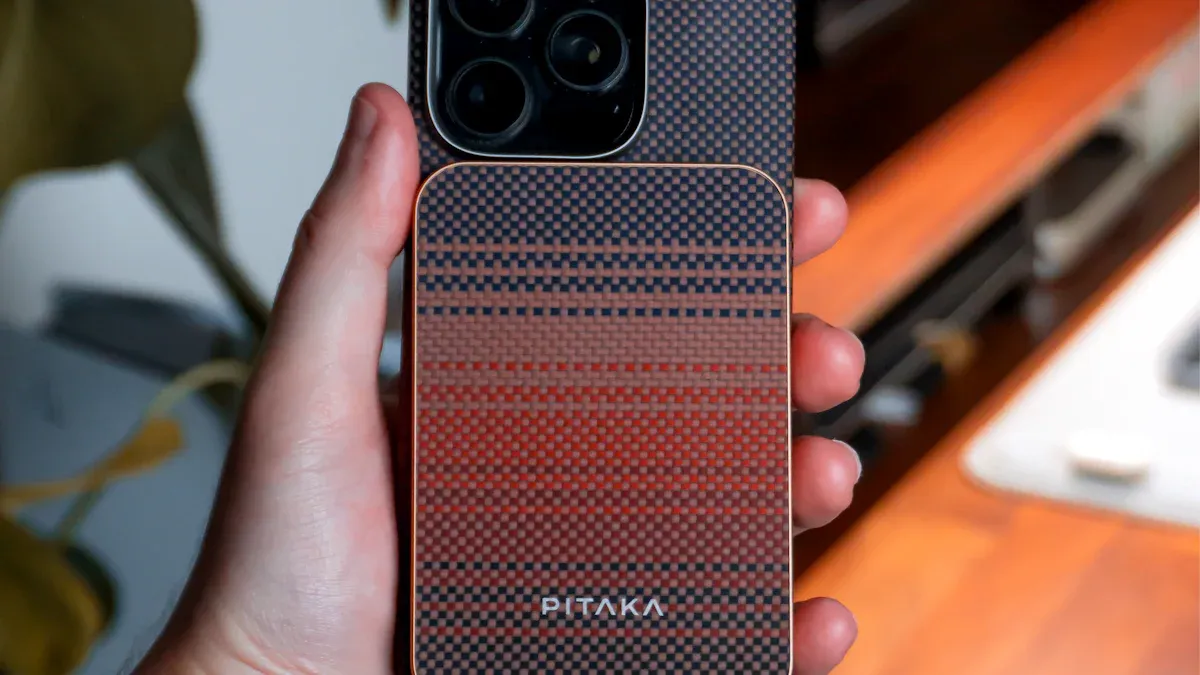
To find a professional partner for your custom 3C accessories, you need more than just a supplier—you need a team with proven skills, a transparent production process, extensive customization options, and strong safeguards for your business. Start by evaluating each candidate against practical benchmarks. Review their product portfolio and how adaptable they are to custom requirements. Ask about how openly they communicate their workflow and typical lead times. Gauge their responsiveness to your inquiries. Examine their data protection measures and how they manage potential risks. Compare multiple partners side by side. Avoid relying on assumptions or flashy marketing claims. A dependable partner will welcome your questions and provide straightforward answers. Their track record should be evident through certifications, patents, and customer testimonials. When you conduct this level of due diligence, you minimize risk and increase your chances of a successful, long-term collaboration.
Check partners for real skills, clear workflows, customization choices, and client protections.
Check their credentials, such as patents, certifications, and how much they can produce, to make sure they have a proven history.
Keep your designs and data safe by using non-disclosure agreements and clear warranty terms.
Pick a partner who offers many product types and flexible OEM/ODM services. This helps make your supply chain simpler and easier to manage.
Test how quickly and clearly they reply early on, so your teamwork stays smooth and dependable.
A professional partner for custom 3C accessories combines four essential qualities: proven expertise, a transparent process, broad customization options, and strong client safeguards. You need a partner who can demonstrate real experience, not just promises. You also need protection for your designs, your data, and your investment. Evaluating these criteria early helps you avoid costly mistakes later.
Proven expertise means the partner has a track record you can verify. Look for measurable indicators of their experience and capability. The table below shows the benchmarks you should expect from a credible manufacturer.
Indicator | Benchmark Value |
|---|---|
Patents held | Over 40, including design patent ZL202430576480.0 |
Certifications held | BV FCA certification |
Annual production capacity (car phone mounts) | Approximately 189,000 units |
Patents demonstrate that the partner invests in original innovation. A company holding over 40 patents shows sustained commitment to developing new solutions. Certifications like BV FCA verify that their manufacturing processes meet international standards. Production capacity tells you whether they can handle your order volume without delays. A partner producing nearly 189,000 car phone mounts annually has the infrastructure to scale with your needs.
Consider X·ONE as a reference point. Since 2009, the brand has earned global certifications, accumulated over 180 patents and awards, sold more than 100 million units, and built a network of over 5,000 resellers. This level of achievement signals reliability. When you evaluate a potential partner, ask for their patent portfolio, certification documents, and production statistics. A transparent partner will share these details openly.
Strong client safeguards protect your intellectual property and your financial interests. A professional partner should offer clear contractual protections. Look for these essential safeguards:
Warranty and quality guarantee: The supplier warrants for 24 months post-delivery that items are free from design, workmanship, and material defects. They also guarantee that items are merchantable, fit for your intended purpose, comply with specifications, consist of new material, have clear title, and meet legal and industry standards.
Remedies for non-conformance: If an item fails the warranty, you may require repair or replacement, return the item at the supplier's expense for a refund, or correct the item and charge the supplier. You can also return the item and purchase a comparable one elsewhere, charging the supplier the cost difference.
Confidentiality agreement: The supplier must protect your proprietary information, including samples, designs, specifications, and financial data. They cannot disclose this information, reverse engineer your products, issue public statements about your relationship, or use your designs to develop competing products.
Prohibited activities and equitable relief: The supplier cannot reverse engineer, develop, or sell items based on your proprietary information. If they breach this agreement, you can seek injunctive relief because the harm would be irreparable.
These safeguards reduce your risk significantly. They ensure that your designs remain yours. They also guarantee that you receive quality products or appropriate compensation if something goes wrong. When you find professional partner candidates, review their contracts carefully. Ask about their confidentiality policies and warranty terms before signing anything.
A partner who offers comprehensive client safeguards demonstrates respect for your business. They understand that trust forms the foundation of a long-term relationship. Without these protections, you expose yourself to design theft, substandard products, and financial losses. Prioritize partners who put these safeguards in writing.
A partner's product range tells you a lot about what they can do. You want someone who can meet your needs without using many different vendors. Look for a manufacturer that handles all kinds of 3C accessories. This variety shows they know many product types well.
X·ONE sorts its products into four clear groups. X·ONE Protect covers phone cases, screen protectors, and tough armor. X·ONE Power includes charging cables, power banks, and wireless chargers. X·ONE Portage offers bags, sleeves, and carrying cases. X·ONE Play focuses on fun items like earbuds and gaming grips.
This setup matters for your business. When you use one partner for all four groups, you make your supply chain easier. You get better prices because you combine your orders. You also cut down on extra talks because one team knows your whole product line.
Ask possible partners about their depth in each group. A skilled partner should show skill in at least one main area. They should also be ready to move into nearby areas as your needs change. You want a partner who grows with you, not one who stops at their current level.
OEM and ODM services separate real makers from simple sellers. OEM means you give the design and they make it exactly as you want. ODM means they offer their own designs that you can change with your brand. Both choices give you options based on your team's design skills.
X·ONE gives full OEM/ODM help. You can start by adding your brand to current products. You can also build new products from scratch. Their services include small runs for testing markets. They also offer 3D printing for quick models and CNC work for exact parts.
These options lower your risk. You can test a product with a small run before buying large amounts. You can change designs fast using 3D printed samples. You can get precise parts with CNC for complex pieces. When you look for a professional partner, ask about their model speed and smallest order sizes. Their answers show how flexible they really are.
A partner with wide product skills and flexible making options gives you space to try new things. You can launch new products faster and adjust based on what buyers say. That speed often decides if your custom accessory line does well or falls flat.
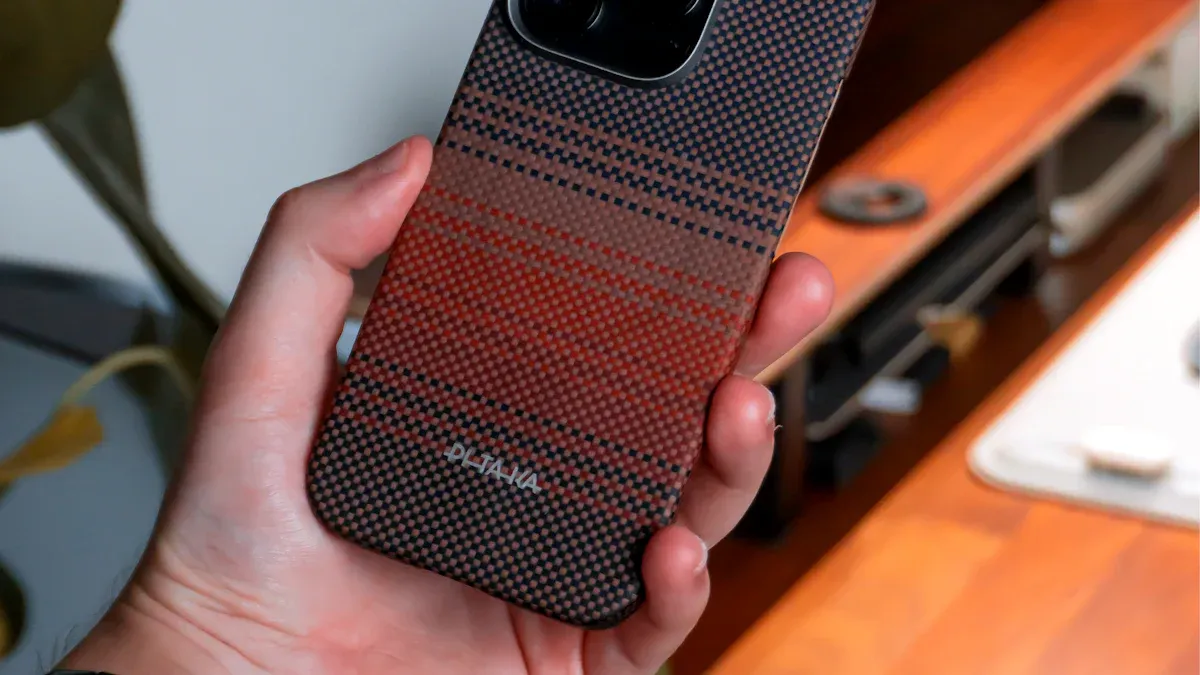
Customization decides how well your products stand out in a busy market. You need a partner who offers real choices, not just a few color changes. Look at their material options, finishing methods, branding ways, and extra features. These choices directly affect your product's quality, durability, and appeal.
Material choice shapes how your product feels and how long it lasts. You can pick from polycarbonate, TPU, tempered glass, aluminum, or leather-like textures. Each material serves a different purpose. Polycarbonate gives stiffness, TPU offers flexibility, and tempered glass resists scratches. Your partner should explain the trade-offs clearly so you choose well.
Finishes turn basic materials into premium products. You can ask for matte, glossy, soft-touch, or textured surfaces. Colors range from standard blacks and whites to custom Pantone matches. The right finish boosts perceived value without adding much cost.
X·ONE shows advanced material science through its own technologies. DNA Guard 6m Drop Protection uses multiple layers to absorb shock and keep devices safe from hard falls. Honeycomb structural design spreads force across the case surface. EnduraClear™ anti-yellow technology stops discoloration over time. AR Pro coating cuts glare on screen protectors, while nano coating repels water and oil. These technologies show what quality materials can do.
Ask your partner about their material certifications and testing standards. A professional partner should give samples for you to test before you commit to big orders. Physical samples reveal the true quality of materials and finishes.
Branding makes your products easy to recognize. You can add logos through laser engraving, foil stamping, pad printing, or embossing. Laser engraving creates permanent marks that resist wear. Foil stamping adds metallic accents for a premium look. Each method fits different materials and design styles.
Function goes beyond looks. You can customize button placement, port access, magnetic features, or wireless charging compatibility. These functional choices affect how users interact with your products every day.
Corporate gifting items benefit greatly from thoughtful customization. Wireless earbuds, power banks, and charging pads become memorable gifts when branded well. You can engrave company logos, choose brand colors, or add custom packaging. These details turn ordinary accessories into powerful marketing tools.
When you find professional partner candidates, ask for their customization portfolio. Review their past work to check design flexibility and execution quality. A partner who shows creativity and precision across many projects will likely deliver great results for your brand.
A clear production workflow separates a reliable partner from a chaotic one. You should know exactly what happens after you submit your design. This transparency helps you plan your launch and avoid surprises. A professional partner will walk you through each stage without hesitation.
Your custom project begins with design upload. You enter the system online or through a store. You select your product model and material. You create your design using AI tools, photo upload, or templates. You preview the design in 3D before you approve anything. This preview catches errors early, saving you time and money.
File formats matter during this stage. Most manufacturers accept standard 3D files. These include STL, OBJ, STEP, IGES, 3MF, and XT formats. Each format serves a different purpose. STL works well for simple shapes. STEP and IGES handle complex geometries with precision. You should ask your partner which formats they prefer before you start designing.
Submit your 3D CAD files (STEP/IGES) to receive a complete, itemized cost breakdown within 24 hours.
This quote request process moves quickly. You send your files, and the supplier reviews them. They select materials and manufacturing processes. They provide a detailed quotation. You confirm the order, and production begins. Some partners also ask for your company information, business scope, target market, and product needs. This information helps them offer a personalized consultation.
Once you approve the quote, printing starts. The system produces your item on demand. This means no minimum inventory requirements. You pay only for what you order. Small-batch production becomes cost-effective.
Quality checks happen before delivery. The manufacturer inspects each item for defects. They verify dimensions, finishes, and branding accuracy. These checks protect your reputation.
Delivery options vary by partner. You can choose pickup or shipping. Some partners offer tracking so you know exactly when your products arrive. This visibility helps you coordinate your marketing launch.
When you find professional partner candidates, ask them to explain their workflow in detail. A partner who shares this information openly demonstrates confidence in their process. You want someone who treats your project with the same care you would.
Your launch date sets your production deadline. You need a partner who delivers on time, every time. Ask about standard lead times before you commit. The table below shows typical turnaround expectations.
Parameter | Small-Batch Orders | Large-Volume Orders |
|---|---|---|
Minimum Order Quantity | 100 units | Not specified |
Standard Lead Time | 7 days (for orders up to 3,000 units) | Not specified |
Expedited Production | Available | Not specified |
Peak Season Impact | Longer lead times possible (Q3-Q4) | Production capacity may be locked by large clients |
Small-batch orders move fast. You can receive 100 units within 7 days. Large-volume orders need more planning. You must reserve capacity early, especially during peak seasons.
Match your production schedule with your launch timing using these practices:
Share seasonal demand forecasts with suppliers early, even if rough, so they can plan materials and capacity ahead of busy periods.
Give a detailed sourcing brief with target launch timing, expected order volume, sample dates, and final delivery deadlines.
Ask for a stage-by-stage schedule that separates development, tooling, sampling, approval, production, inspection, packaging, and shipping.
Judge suppliers on lead-time reliability and planning discipline, not just quoted production time.
Confirm which sample serves as the production reference and write down approval conditions.
Review supplier performance after each season using clear measures like schedule adherence and quality.
These practices reduce confusion. They also reveal delays early, when you can still fix them.
Communication quality decides project success. You need a partner who responds quickly and updates you regularly. Test their responsiveness during initial inquiries. A slow reply to your first email signals future problems.
Ask about project update frequency. Do they send weekly progress reports? Do they notify you immediately when issues arise? A professional partner keeps you informed without constant prompting.
When you find professional partner candidates, request references from current clients. Ask those clients about communication experiences. Did the supplier meet deadlines? Were updates clear and timely? These answers reveal the true working relationship.
Good communication stops small problems from becoming large ones. It also builds trust over time. Choose a partner who treats your project with urgency and respect.
Trust separates a good partner from a risky one. You need proof that your partner meets industry standards. You also need legal protection for your designs and your money. Certifications and clear policies give you that confidence.
Third-party certifications check a partner's claims. You cannot trust their word alone. Independent testing confirms product quality and safety. Look for certifications that match your product type.
Apple MFi approval matters for Lightning or MagSafe accessories. This certification shows the product meets Apple's strict standards. Qi wireless certification ensures charging products work across different brands. Products without this certification may not work well with all devices. SGS and TÜV testing check durability and safety through recognized labs.
Certification | What It Confirms |
|---|---|
Apple MFi | Works with Apple devices and accessories |
Qi wireless certification | Reliable wireless charging across brands |
SGS / TÜV testing | Safety, durability, and performance checked by independent labs |
You should check these certifications yourself. Look up the WPC Qi certification database using the product's Qi ID. Cross-check certificate numbers with the issuing group. A partner who shares this information openly shows confidence in their work.
X·ONE holds Apple MFi approval, Qi wireless certification, and passes SGS and TÜV testing. These credentials signal reliability to your customers. When you look for professional partner candidates, ask for their certification documents. Review them carefully before you commit.
Confidentiality agreements protect your intellectual property. Your designs, samples, and specifications stay yours. A professional partner signs an NDA before you share sensitive information. This agreement stops them from using your designs for competing products.
Design ownership clauses clarify who controls the final product. You keep the rights to your custom designs. The partner cannot reverse engineer your products or sell them elsewhere. These protections matter when you build a unique product line.
Return policies lower your financial risk. Look for clear terms covering defective items. A strong warranty guarantees replacement or refund for faulty products. You should also understand the process for items that do not meet standards. The supplier should cover return shipping costs.
Quality guarantees protect your investment. A partner who stands behind their work offers fixes for defects. You can ask for repair, replacement, or refund. These options give you power if problems arise.
A partner who refuses to sign an NDA or explain their return policy signals danger. Walk away before you share your designs.
Clear terms prevent disputes later. You know exactly what happens if a product fails. You understand your options for recourse. This clarity builds confidence in the partnership.
You now have all the criteria to judge a potential partner. The next step is simple: compare them side by side. A structured checklist keeps your decision objective. It prevents emotions or slick sales pitches from clouding your judgment. Use the table below to score each candidate across the seven key areas.
Criterion | What to Check | Red Flag |
|---|---|---|
Product Range | Coverage of protection, charging, carry, and lifestyle items | Only one product type offered |
Customization Options | Materials, finishes, branding methods, functional changes | Limited to stock colors only |
Workflow Transparency | Clear design upload, quoting, printing, and delivery steps | Vague answers about their process |
Turnaround | Lead times for small and large orders | No commitment on delivery dates |
Communication | Response speed, update frequency, project visibility | Slow replies during initial contact |
Confidentiality | NDA availability, design ownership terms | Refusal to sign an NDA |
Risk Protection | Certifications, warranty terms, return policies | No warranty or unclear return process |
Apply this checklist to every candidate you consider. Start with product range. A partner who covers multiple categories simplifies your supply chain. You combine orders and reduce coordination costs. Next, examine their customization depth. Ask about material options and finishing techniques. The table below shows how material choices affect cost and production time.
Material | Raw Material Cost | Machining Cycle Time | Tool Wear Expense |
|---|---|---|---|
6061-T6 Aluminum | Baseline (lowest) | Baseline (fastest) | Baseline (lowest) |
7075-T6 Aluminum | Moderate (higher than 6061) | Moderate (slightly longer than 6061) | Moderate (slightly higher than 6061) |
Ti-6Al-4V Titanium | 2.5–4x longer than 6061 | 20–30% higher than 6061 |
Use this data to judge a partner's material expertise. A skilled partner recommends the right material for your product. They do not push the most expensive option. They match material properties to your needs.
Review their production track record. Ask for case studies that prove their capability. Strong partners share verifiable results. One manufacturer scaled a wearable smart ring frame from 500 units to 25,000 units per month. They held ±0.008mm tolerances on 5-axis CNC machines. They achieved ΔE < 1.2 color variance. They reduced unit cost by 58% by switching from titanium to 7075-T6 aluminum. Another partner produced camera lens bezels with a 2,000-unit minimum order. They scaled to 60,000 units monthly. They cut cycle time to 82 seconds per part. They passed 48-hour salt-spray and 2H pencil hardness tests. These examples show real capability.
Material selection guidance matters too. Follow this framework when discussing options with your partner:
6061 Aluminum: Choose for cost-sensitive, high-heat components like charger housings or audio enclosures where rapid thermal conduction matters.
7075 Aluminum: Select when you need high structural strength, thin-wall stability, and light weight without exceeding titanium budgets.
Ti-6Al-4V Titanium: Reserve for flagship, ultra-luxury accessories where maximum scratch resistance and premium positioning outweigh longer machining times.
A partner who explains these trade-offs clearly demonstrates expertise. They also show respect for your budget.
You have the tools to find professional partner candidates. Now take action. Request quotes from two or three shortlisted manufacturers. Upload your design files and ask for itemized cost breakdowns. Compare their responses against your checklist. Look for punctual service, professional manufacturing strength, and a comprehensive product portfolio. A reliable partner ships 95% of orders within one week. They hold complete international safety certifications. They support full-size and full-parameter customization.
Define your customization parameters clearly before you start. Specify rated voltage, required capacity, external dimension limitations, working current (continuous and peak), and matching interface type. These five parameters prevent misunderstandings. They also speed up prototype confirmation.
Unmatched voltage, poor surge protection, and unqualified internal components in cheap third-party adapters can lead to battery bulging, shortened service life, and even safety accidents. Review your partner's safety record before committing.
Your custom project deserves a partner who protects your interests. Start today. Request a quote, upload your design, or contact a potential partner. The right collaboration begins with one conversation.
You now know what to look for when finding a professional partner for custom 3C accessories. Your full checklist includes proven skills, a wide product range, flexible customization, clear workflow, reliable turnaround, quick communication, confidentiality, and risk protection.
A professional partner makes ordering easier and production safer. Look for trust signals like CMM first-article inspection, material traceability with mill certificates, and NDAs signed before quoting. X·ONE shows these qualities through global certifications, 180+ patents, and distribution across 60 countries.
Request a quote today. Upload your design files or contact a potential partner. Start your custom project with confidence, knowing your standards protect your business.
Most professional partners accept small-batch orders starting at 100 units. This low threshold lets you test the market before committing to large volumes. Ask each candidate about their minimums during your initial conversation. Some manufacturers offer even lower quantities for first-time clients.
Sign a non-disclosure agreement before sharing any files or specifications. A reputable partner will agree without hesitation. The NDA prevents them from using your designs for competing products. You should also confirm design ownership terms in writing before production begins.
Look for Apple MFi approval for Lightning or MagSafe accessories. Qi wireless certification matters for charging products. SGS and TÜV testing confirm safety and durability. Ask to see certificate documents directly. Cross-check numbers with the issuing organizations to verify authenticity.
Small-batch orders up to 3,000 units usually ship within 7 days. Large-volume orders require more planning time. Peak seasons from Q3 to Q4 may extend lead times. Ask your partner for a stage-by-stage schedule that separates development, sampling, approval, and shipping.
Gather your 3D CAD files in STEP or IGES format. Define your target voltage, capacity, dimensions, working current, and interface type. Share your company information and business scope. This preparation helps the manufacturer provide an accurate, itemized cost breakdown within 24 hours.
Join X.ONE to access our best-selling original product,and leverage our end to end technical and marketing support to unlock new growth opportunities for your business.
 Material Support
 Training Support
 Marketing Support
 Exhibition Support
 Technical Support
 After Sales Support