Sep 17,2026
Mobile accessory suppliers with strong manufacturing capabilities
In 2026, a trusted partner for custom screen protectors demonstrates advanced tech, deep customization know-how, verified quality, and clear communication. The custom screen protector market is growing, so choosing a trusted partner is very important. New device types need partners that handle curved screens, foldables, and AR/VR headsets. You need a repeatable system to check suppliers. The criteria, checking steps, warning signs, and checklist below give a practical process. Use these tools right away to see if any maker is ready for 2026. Getting materials and planning ahead pay off. This organized method saves time and lowers risk. The checklist covers certifications, materials, and response speed. Use this framework to find the right trusted partner.
Look at the partner's technology for curved screens, foldable phones, and AR/VR headsets. They should use special materials like EPU or hydrogel.
Check certifications like Apple MFi, SGS, TÜV, and REACH. Don't just trust the logos. Look up the certificate numbers on your own.
Try physical samples on real devices before you make a large batch. Run your fingernail along the edges. Look for bubbles and clear vision.
Look for fast prototyping and customization. The partner must provide custom sizes, branding options, and alignment frames.
Use a checklist to check partners. It should include research, RFQ, sample testing, factory audits, and references. Stay away from partners who communicate slowly or lack patents.
Picking a partner in 2026 requires rules that are very different from past years. New device shapes like foldables and AR/VR headsets need materials that bend and stay clear. Stronger sustainability rules push toward films that last longer. Higher standards for optical performance mean your partner must show real skill in material science. The best screen protector for your project depends on matching the material to the device type and how the end user will use it.
Three material families lead the market: EPU, Hydrogel (TPU), and tempered glass. Each one has different pros and cons in durability and clarity.
Attribute | EPU | Hydrogel (TPU) | Tempered Glass |
|---|---|---|---|
Self-healing | Fast self-healing | Self-healing, slower | None |
Scratch hardness | High | Moderate | Highest (9H) |
Impact protection | Good for drops | Limited | |
Optical clarity | Excellent | Good | >95% transmission |
Curved-screen fit | Excellent | Excellent | Poor |
Best for | Premium curved screens | Value curved screens | Flat screens |
Tempered glass gives the highest scratch hardness at 9H. It stands up to sand, keys, and steel blades. Its main weakness is that it fits poorly on curved edges. For an iPhone with a flat display, tempered glass offers reliable protection. For an Android flagship with curved glass, EPU gives better coverage. Tempered glass is still the standard for flat screens but does not work on curved models.
X·ONE solves these material trade-offs with patented surface technologies. EnduraClear™ anti-yellow technology stops discoloration over time. AR Pro coating cuts glare and keeps clarity. Nano coating resists fingerprints and daily wear. These innovations make X·ONE a benchmark for a trusted partner.
AR/VR headsets and curved phones create new problems. Rigid tempered glass cannot fit these shapes. Flexible EPU or hydrogel gives the fit you need. Hydrogel self-heals micro-scratches on its own. Its protective layer covers edges completely. This makes it suitable for a privacy screen protector or matte screen protector application.
A matte screen protector reduces glare for outdoor use. A privacy screen protector limits viewing angles. The privacy layer uses micro-louver technology. The protective layer must stick without bubbles. EPU offers the best device compatibility across iPhone, Android, and foldable devices.
For the best matte finish, choose a partner with advanced coating expertise. Look for easy to apply films with alignment frames. Proper application prevents dust and bubbles. X·ONE provides training and installation tools for partners. Another iPhone model with a flat screen pairs well with tempered glass. An iPhone 14 example shows their precision cutting. Each iPhone variant requires specific material matching.
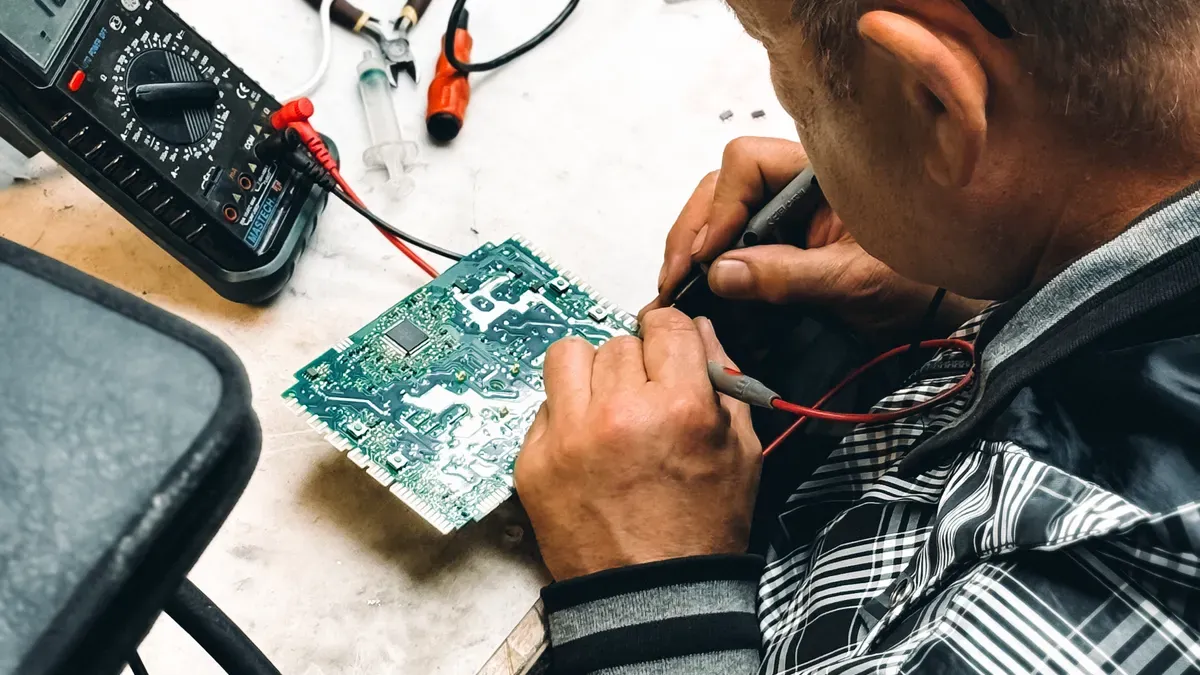
A strong partner treats customization as a dialogue, not a catalog order. You need a manufacturer who supports custom dimensions for niche devices, branding and packaging options, and feature differentiation such as privacy, matte, or blue-light filtering. Expert consultation matters here. It ensures a thorough assessment of your project, the right product selection, and smooth integration of specialized features.
Rapid prototyping separates serious partners from order-takers. RuggedTech worked with a manufacturer to build custom-sized, impact-resistant screen protectors for field tablets. Through prototyping and testing, they created a multi-layered TPU protector with an anti-glare coating that met military-grade standards. The result was product differentiation and a 30% increase in lifespan. PrivacyShield took a similar path, partnering with an OEM to create custom dimensions, integrate 30-degree privacy film, and design eco-friendly packaging. Rapid sampling and 100% on-time delivery led to a 25% increase in customer loyalty. Ask your partner for a physical sample before any bulk order. Digital proofs can misrepresent colors and gloss levels on tempered glass.
Scaling reveals whether a partner can repeat quality at volume. The data is clear: users who ordered samples first reported a 92% satisfaction rate, while those who skipped samples dropped to 54%. Sampling is not optional for a serious screen protector project.
Production method shapes cost and durability. Digital UV printing suits photorealistic branding and short deadlines. Silk screen printing delivers abrasion resistance for high-volume uniform branding. Subsurface etching creates permanent marks for regulatory needs. Watch for common scaling failures: edge lifting, touch sensitivity loss, optical distortions, and frequent cracking. Test prototypes on actual devices before mass production. Automation handles cutting, edge grinding, coating, and packaging with high repeatability. Human experts still calibrate machines and perform visual inspections. This blend of robotics and skilled staff keeps your tempered glass and iPhone orders consistent. Confirm device model and firmware version, because new proximity sensor behaviors can cause false wake-ups if cut tolerance drifts. Verify case and stylus compatibility too, since some printed layers reduce touch sensitivity. Avoid universal fit claims. True custom printing requires exact CAD files or certified templates. A partner who manages this transition protects your iPhone launch timeline and your brand reputation.
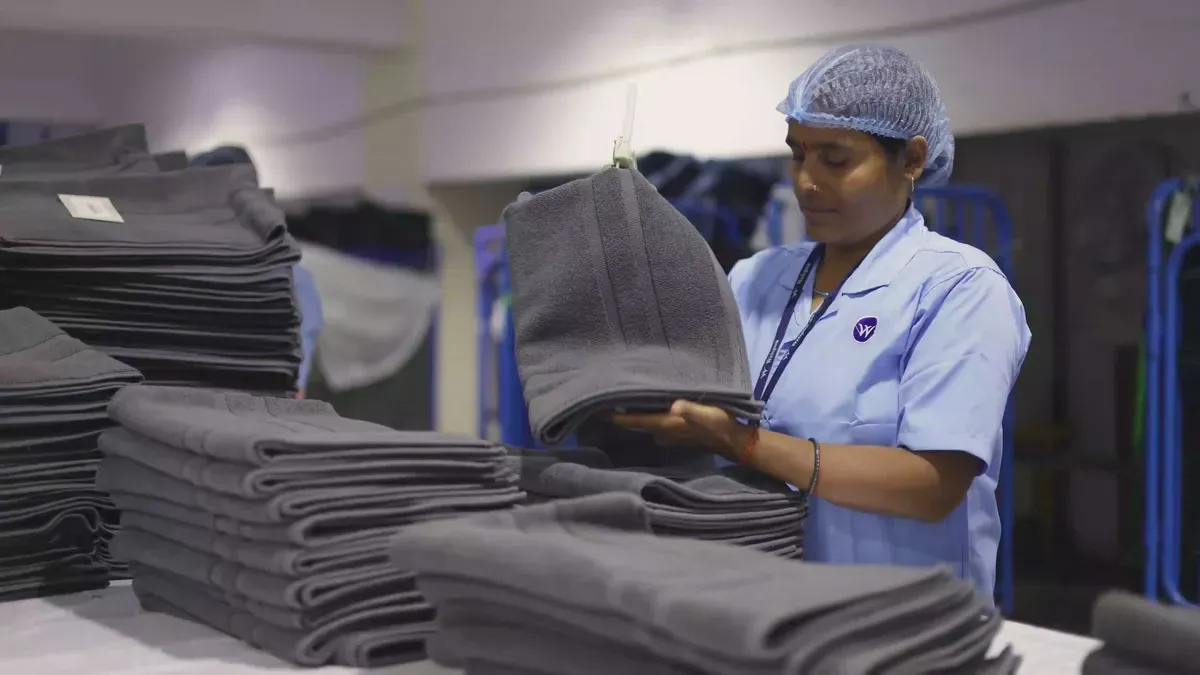
Certifications tell you apart serious makers from simple assemblers. Look for Apple MFi approval, Qi wireless certification, SGS and TÜV test reports, ISO management system papers, and REACH and RoHS compliance statements. Each one shows a different skill. Apple MFi proves it works with iPhone extras. Qi wireless makes sure charging passes through the screen protector. SGS and TÜV show independent testing. ISO shows steady process control. REACH and RoHS prove chemical safety for your market.
X·ONE is a good example here. The brand holds over 180 patents and awards. Its DNA Guard 6m drop protection uses many layers and honeycomb build. These things show what a solid quality system looks like in real life. When you check a partner, ask if their tempered glass passes similar drop tests. Ask for the real test numbers, not just a logo on a site.
You must check defect rates with real proof. Do not accept just a certificate. Ask for batch-level QC photos and edge adhesion test reports before you order in bulk. One buyer said it clearly:
"I'd pay 5% more for a photo of my batch's edge polish under 10x magnification."
Follow these steps to check quality claims:
Agree on how units are chosen and how results are judged. Pick a sampling method based on order size, product risk, and contract needs.
State the inspection level, acceptance limits, and any tests that need a separate sample.
Make sure samples come from different cartons and production times, not just the easiest ones to get.
Record how many you checked, defects by type, photos, and final decision.
Give the approved spec and a physical reference to any third-party inspector before the visit.
This process protects your tempered glass order from hidden flaws. It also catches scratches and glue failures before they reach your customers.
RoHS and REACH compliance is a must for buyers selling in North America and the EU. Verified recycled content for eco-glass types is needed by 68% of B2B buyers. Check certifications by region. Ask for certificate numbers, not just logos.
Dimension | RoHS | REACH |
|---|---|---|
Scope | Limits harmful substances in electrical gear | Controls chemical substances widely across EU products |
Restricted substances | Lead, mercury, cadmium, and phthalates at 0.1% or 0.01% limits | Over 240 substances of high concern needing approval |
Documentation | Compliance records across the supply chain | Registration and safe-use rules for EU importers |
A matte screen protector or privacy filter still needs these credentials. Your certification checklist must include RoHS and REACH for every EU shipment. This step protects your brand from legal fines.
Start your check with focused research. Look for screen protector makers that work on your device type. Find makers skilled in tempered glass for flat screens or EPU for curved ones. Check their reputation by reading reviews from past buyers. This first step quickly shortens your list of candidates.
After you have a shortlist, make a detailed RFQ document. List exact sizes for each phone or tablet model. Say what material you want. Tempered glass gives the best scratch hardness. Hydrogel covers edges with flexibility. Write your coating needs clearly. Think about anti-blue light filters for eye comfort. Anti-glare layers help you see outside. Anti-bacterial coatings attract buyers who care about hygiene. These useful coatings make your product more valuable. Add packaging details, branding rules, and your target price per unit.
Your RFQ must cover shipping logistics. Ship by sea from China to the US or EU takes 18 to 25 days. Add 3 to 5 days for customs. Air express delivers in 5 to 8 business days. Ultra-thin glass protectors need 4 to 6 weeks lead time. Minimum orders start at 300 units. Ask for FOB or EXW Incoterms to avoid hidden DDP fees.
The table below compares common manufacturer types.
Manufacturer Type | Best For | Potential Issue | Budget Range (1k units) |
|---|---|---|---|
Guangdong-based OEM specialists | Brands needing tight tolerances and certified output | Higher entry MOQ (300–500 pcs) | $420–$980 |
Multi-product OEM/ODM | Mid-volume sellers wanting design input | Longer lead time for non-standard coatings | $380–$850 |
Trading-assisted factories | New importers needing logistics support | Less direct engineering access | $450–$1,100 |
Send your RFQ to three to five choices. Check their answers on material sourcing, lead time, and pricing.
Testing samples is the most important step. Order 3 to 5 units from each shortlisted maker. Use your fingernail to check edge smoothness. Small burrs mean poor finishing. Put the film on an iPhone or your test device. Look for bubbles when putting it on. Test if fingerprints wipe off after many touches. Video demos cannot replace testing it yourself.
Check key performance numbers. Make sure viewing angle matches your goal. Test hardness at 9H for tempered glass items. Measure light pass-through. It must be 85 to 90 percent or higher. Do a drop-ball test to see how well it absorbs impact. For a matte protector, check if anti-glare cuts reflection in bright light. An easy-to-apply film should have an alignment frame to stop dust and bubbles.
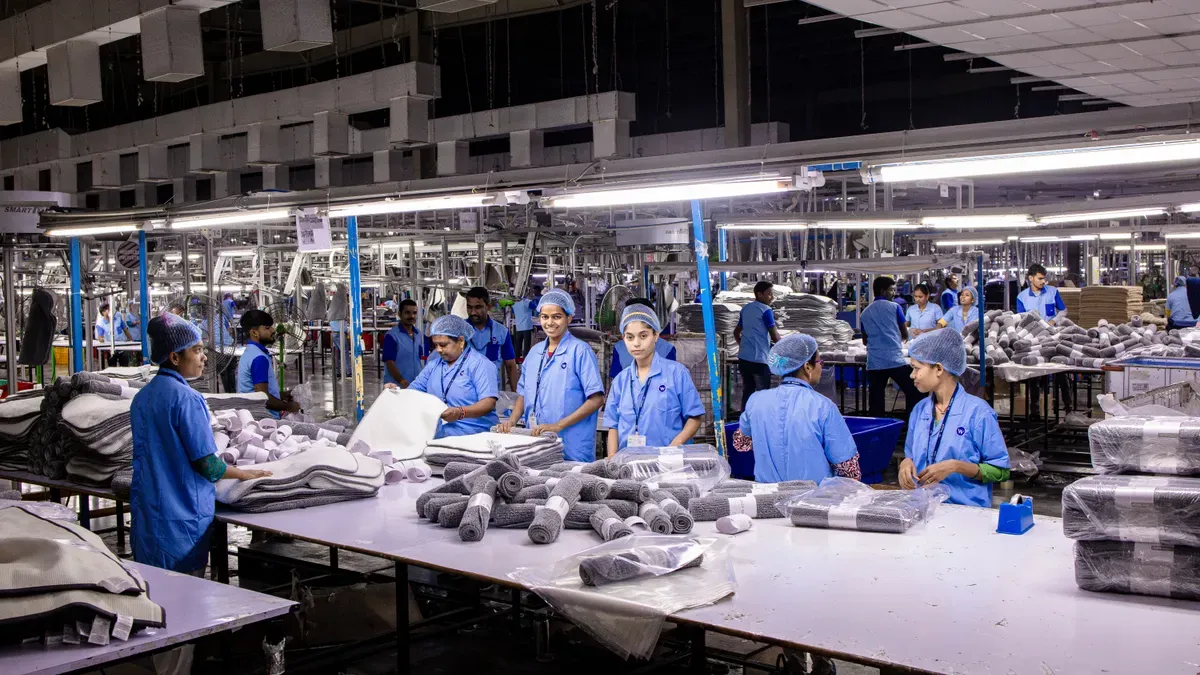
Factory checks confirm how well it works. Ask for recent factory photos. Do not accept stock images. Check the factory address on Google Maps. Ask for ISO or SGS certificate numbers. Check them on your own. Check how much they can make and if they have clean rooms. See where QC stations are on the assembly line. Check if workers have training and know their shifts.
Clear up who does QC directly. Ask if factory staff or an outside team does final checks. Ask for quality reports for each batch. Do not accept just an AQL Level II statement. A common complaint is wrong packaging labels. Thirty-one percent of buyers report this issue.
Check with past OEM or ODM clients. Ask specific questions about lead times and after-sales help. Industry data shows key facts. Seventy-eight percent of buyers like fast answers to spec questions. Seventy-two percent of buyers praise accurate cut registration. Sixty-nine percent of buyers are happy with steady adhesive tack. On the complaint side, 26 percent of buyers are upset about slow air freight updates. Twenty-two percent of buyers have trouble with no English-speaking QC staff on-site. Many top makers put dedicated engineers on spec alignment. This technical help is worth putting first.
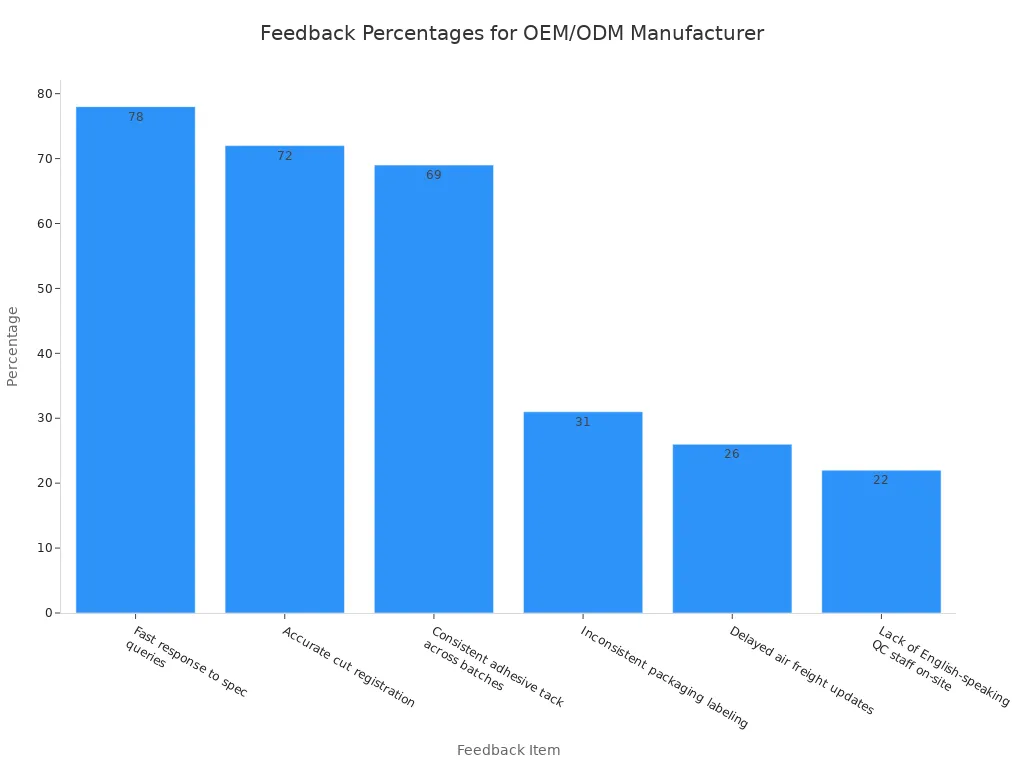
Use this chart to check each choice. Choose makers that score high on response speed and cut accuracy. Remove those with steady complaints about labels or communication.
If a partner can only talk about basic tempered glass, that is a red flag. In 2026, screen protectors need to work with curved edges, foldable screens, and AR/VR headsets. A maker that still uses only hard glass for everything does not have the R&D skill for today's devices. Top screen protector makers spend a lot on material science to stay current. Ask about their patents. A partner with no patents or recent ones cannot protect your money or fix new problems like edge lifting and blurry images. Weak R&D also means no progress on anti-yellowing tech or shock absorption. Without these, your project will fall behind rivals who work with smart makers. Look for signs of active work: testing new materials, better coatings, and drop-test data. If the partner cannot show these, walk away. A proven player like X·ONE shows the opposite. With over 180 patents and DNA Guard multi-layer protection, they set the standard. Your supplier should show that same commitment to research, not struggle with old ideas.
If a partner is slow to answer spec questions or gives unclear replies about quality checks during the vetting stage, expect more issues later. Language problems do not excuse unclear answers. Pro screen protector makers assign dedicated engineers to client accounts. They give clear timelines, batch-level documents, and direct access to quality control staff. When you cannot get straight answers about adhesive tack or edge finishing, treat it as a warning. Missing certificates make the risk worse. A partner that cannot show Apple MFi approval, SGS reports, or RoHS compliance likely skips key tests. Each missing certificate may point to bigger gaps in the partner's quality systems. Check every document by verifying the number with the issuing body. Do not accept logos alone. A partner with proper certification openly shares test results and audit records. Those without it hide behind excuses. Both communication issues and missing certificates signal a maker that cannot deliver steady quality for your custom project.
Your project type decides which partner skills you need. A maker good at flat glass may fail with curved screens. Match your needs to their proven skills before you decide.
Project Requirement | Manufacturer Strength to Match |
|---|---|
Device type (smartphones, tablets, laptops, smartwatches) | Exact cutouts for cameras and sensors; case fit to stop edge lifting |
New device launches | Early work together to make tooling and samples before launch |
Budget/basic users | Standard clear protectors with high clarity |
Professionals/frequent travelers | Privacy screen protector for keeping info safe |
Outdoor/strong‑light environments | Anti‑glare or matte screen protector production |
Gamers | Gaming protectors made for very smooth touch |
Brand identity needs | Custom print on alignment frames, branded packaging, local manuals |
Niche/industrial uses | Changed glass makeup, thickness, and test methods |
Rules by region | Quality, environmental, and material safety documents |
X·ONE is a real example of a trusted partner. Founded in 2009, the company has 16+ years of ideas, 100M+ units sold, reach to 60+ countries, 5,000+ resellers, and 15+ product types. Their partner help covers material, training, marketing, shows, tech, and after‑sales support. You also get premium packaging, own technology, and strong profit chance. For brands that want the best overall value, X·ONE shows a proven model.
Use this checklist to check any possible partner. Each item protects your money and your name.
Check 2026 tech readiness: curved‑screen and AR/VR fit, anti‑yellow coatings, and impact‑soak data.
Check customization depth: custom sizes, fast prototyping, branding choices, and feature options.
Look at certifications: Apple MFi, Qi wireless, SGS, TÜV, ISO, REACH, and RoHS. Check certificate numbers yourself.
Judge communication speed: dedicated engineers, clear schedules, and batch‑level quality papers.
Judge ability to scale: production size, clean rooms, QC stations, and worker training.
Check sustainability rules: recycled content choices and local packaging laws.
Compare cut‑on‑demand versus pre‑cut options for your custom projects. Cut‑on‑demand lowers stock risk for rare devices. Pre‑cut fits high‑volume runs with steady demand. Weigh privacy filter viewing‑angle trade‑offs carefully. A privacy screen protector limits side view for secrecy. This feature may lower brightness for the main user. Test samples on real devices before mass production.
Trusted brands like X·ONE show that strong partner help drives growth for both sides. According to a recent report by Aberdeen, companies that help partner marketing see big gains in partner happiness, involvement, and sales. Use this checklist early. Material sourcing and lead times in 2026 reward early planning. A verified trusted partner keeps your brand and your customers safe.
To recommend a trusted partner for your customized screen protector project, you need to check four main areas. You must confirm 2026 technology readiness, customization skills, strong quality systems, and dependable communication. These rules, along with the step-by-step vetting process and red flags, create a repeatable decision framework you can use for any manufacturer.
Use the checklist early in your search. Finding materials and planning lead times in 2026 rewards those who plan ahead. Well-known brands like X·ONE set a clear benchmark for trusted partnership. Their 16-year track record, 180+ patents, and 100 million units sold show they are a truly capable screen protector partner. Use their standards to judge every candidate you consider. A careful evaluation today protects your brand reputation and ensures long-term success.
Check for Apple MFi approval, Qi wireless certification, SGS and TÜV reports, ISO management papers, and REACH and RoHS compliance. Look up each certificate number on your own with the group that issued it.
Run your fingernail along the edge to see if it is smooth. Put the film on a real device. Watch for bubbles as you put it on. See if fingerprints wipe off easily. Check that light passes through at 85 to 90 percent or more.
EPU or hydrogel fits curved edges well. Tempered glass does not bend. For foldable phones or AR/VR headsets, pick flexible EPU for full coverage.
Ultra-thin glass protectors need four to six weeks. Minimum orders start at 300 units. Sea shipping takes 18 to 25 days plus customs. Air express delivers in five to eight business days.
Slow answers to spec questions during checking suggest bigger problems. Missing certifications like RoHS or SGS show skipped tests. A partner with no recent patents likely has weak research.
Join X.ONE to access our best-selling original product,and leverage our end to end technical and marketing support to unlock new growth opportunities for your business.
 Material Support
 Training Support
 Marketing Support
 Exhibition Support
 Technical Support
 After Sales Support