 繁体中文
 Italian
 Spanish
 Thai
 Turkish
 Japanese
 Portuguese
 Russian
 French
 German
 Polish
 Arabic

Sep 24,2026
How to Find Reliable Mobile Accessories Suppliers for Global Distribution
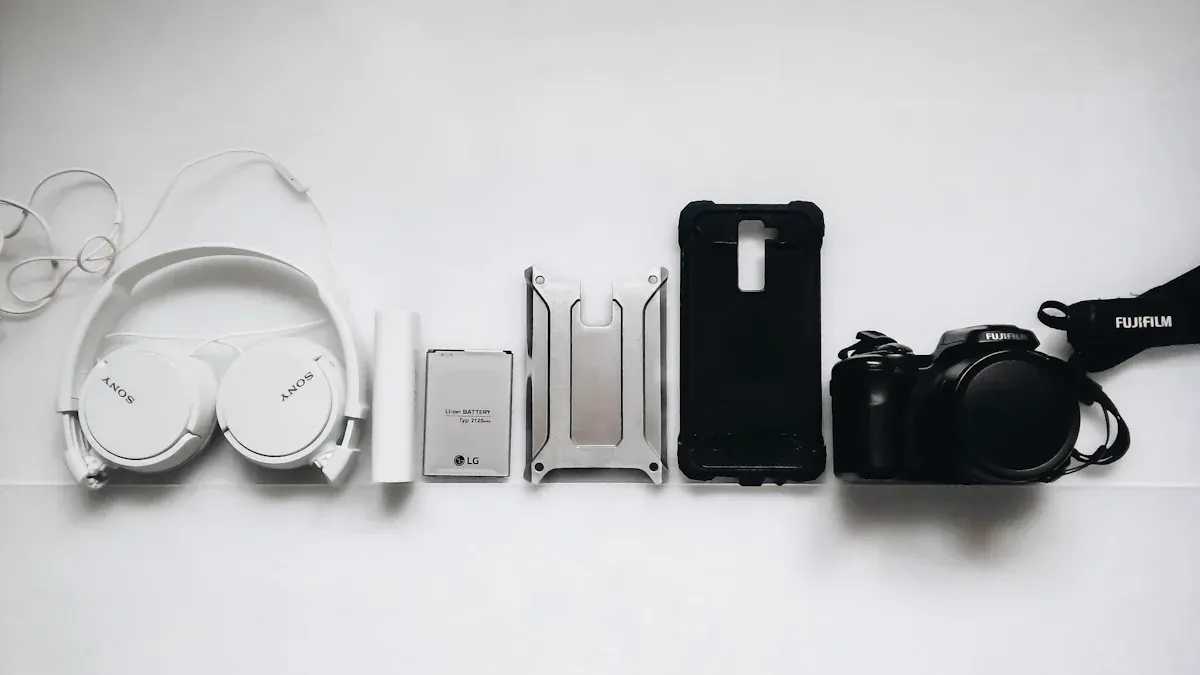
If you're looking to recommend suppliers for phone accessories in 2026, these certified manufacturers are a great starting point. Anker (China) holds CE, FCC, and RoHS certifications, with Qi2-ready chargers in its lineup. Belkin (US) meets CE, FCC, and UL standards. UGREEN (China) is certified with CE, FCC, and RoHS. Spigen (South Korea) maintains RoHS and ISO 9001 compliance. OtterBox (US) also carries RoHS and ISO 9001 certifications. These trusted makers directly address your key concerns about safety and regulatory compliance. Market projections vary—from USD 101.8 billion to USD 401.9 billion—but the demand for certified phone accessories continues to rise. Specialists like X·ONE and Baseus will be covered later in this post. For now, these five global manufacturers provide a solid foundation when you recommend suppliers for your sourcing needs.
Certified suppliers follow the safety and legal rules that many countries require.
Top brands like Anker, Belkin, and UGREEN have CE, FCC, and RoHS marks.
Before you place an order, look up each certificate on official databases to make sure it is real.
Certificates expire and only apply to certain product models.
Match each product's certification to the rules of the market you are aiming for.
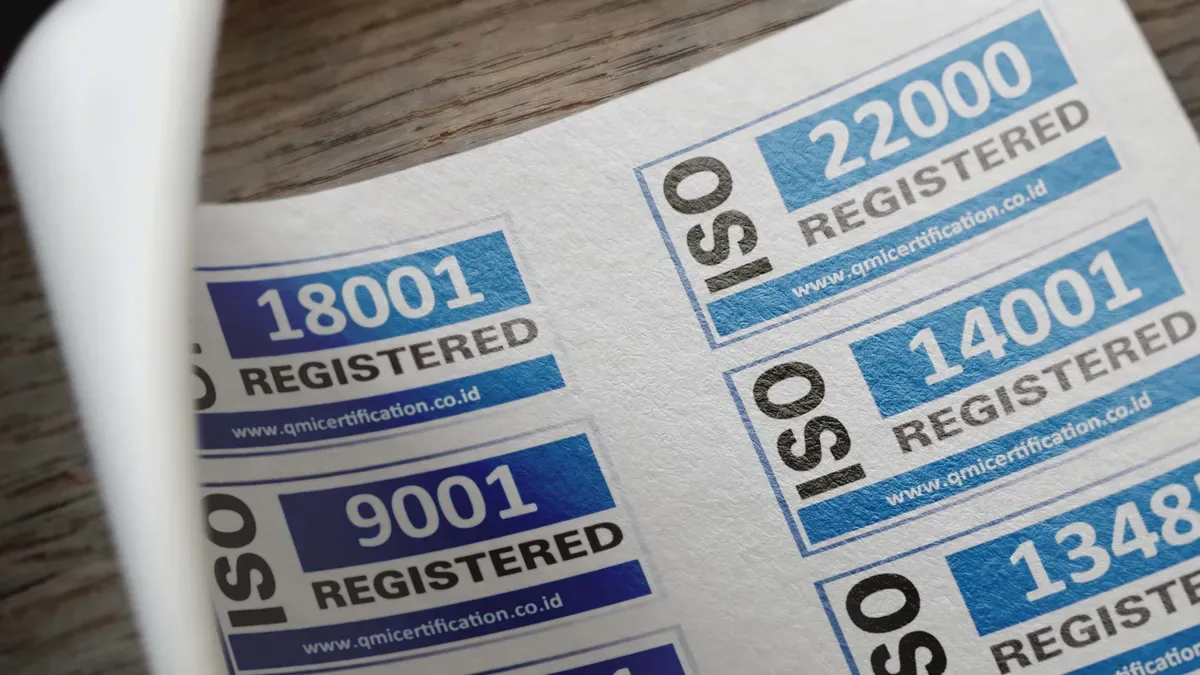
When you buy mobile phone accessories for other countries, certification tells you which suppliers are professional and which are risky. A certificate shows that a product passed tests for safety, performance, and the environment. Without these papers, you cannot sell legally in many places, and your brand could face legal trouble.
Each certification covers a different issue. CE marking shows the product meets European Union rules for safety, health, and the environment. FCC certification proves that electronic devices stay within U.S. limits for electromagnetic interference. RoHS stops the use of dangerous materials like lead and mercury in production. ISO 9001 checks that factories have good quality control systems. UL certification tests products for fire and electrical dangers. BIS is needed for selling in India, while TÜV offers independent testing from a third party across many standards.
For chargers, the newest standards you should ask for are Qi2 and PD 3.1. Qi2 certification ensures wireless charging works correctly and efficiently. PD 3.1 allows fast wired charging up to 240 watts using gallium nitride technology. Buyers now want these certified, high-quality products instead of basic ones without certification.
Different types of phone accessories need different certifications. The table below shows what each region requires for all phone accessories.
Region | Required Certifications |
|---|---|
EU | CE marking, RoHS compliance, REACH regulations |
US | FCC certification, UL safety standards |
These rules apply to chargers, cables, cases, screen protectors, and audio accessories. Global markets enforce strict requirements for every product type. For screen protectors, you also need drop-test documents. For cables, you need proof of data-transfer speed along with safety marks.
You should also check for UL 62368-1 certification, especially for power adapters. This standard covers safety for audio/video and information technology equipment. It replaces older UL standards and is the current best practice. When you check certification requirements, make sure the certificate matches your exact product model. A certificate for one charger does not work for another. Always ask for the PDF certificate and check its validity date against official databases.
You need suppliers who meet certified safety standards for every accessory type. This section breaks down the top choices by category. Each supplier holds verifiable certifications. You can check their credentials against official databases before you order.
Chargers carry the highest electrical risk. You need charger suppliers based on safety who hold CE, RoHS, FCC marks. Anker leads the market with Qi2-ready chargers. Their GaN models reach high conversion efficiency at 65W output. Belkin offers UL listed models for the U.S. market. Their chargers pass strict fire and electrical danger tests. Pisen emerges as a strong contender for 2026. Their iDock product line shows promise as a certified option.
The table below shows what you should verify for each charger type.
Product Category | Certification Benchmark | Verification Method |
|---|---|---|
Qi2 magnetic chargers | Qi2 certification (25W alignment, foreign object detection) | Wireless Power Consortium listing |
GaN chargers | ≥90% conversion efficiency at 65W output | Published spec sheets |
All categories (safety) | UL 62368-1 listing | Certification body listing (voluntary in U.S., recommended) |
You should ask for a Qi2-certified magnetic charger for wireless charging. This standard ensures proper alignment and foreign object detection. For wired charging, look for PD 3.1 support. These certified chargers deliver fast power without excess heat. You want a Qi2-certified charger that also meets UL 62368-1 listing. This combination covers both wireless and wired safety.
Cases and screen protectors need drop-test proof and material safety. X·ONE, Spigen, and OtterBox lead this category. Each brand offers different certification levels. You should match the certification to your target market.
X·ONE stands out for its comprehensive credentials. The brand holds Apple MFi approval, Qi wireless certification, and SGS/TÜV testing. Their product lines include X·ONE Power, Protect, Portage, and Play. DNA Guard provides 6m drop protection using honeycomb structural design. EnduraClear™ anti-yellow technology keeps cases clear over time. AR Pro coating adds scratch resistance to screen protectors.
Certification / Feature | Validation / Specification |
|---|---|
Apple MFi | Apple authorization and compatibility for iPhone accessories |
Qi | Wireless charging compliance with WPC standards |
SGS | Independent testing for safety and durability |
TÜV | Independent testing for safety and reliability |
DNA Guard 6m | Honeycomb structural design providing 6-metre drop protection in a slim profile |
EnduraClear™ | Anti-yellow technology applied to maintain premium finish over time |
OtterBox holds MIL-STD-810G certification for their Defender and Commuter models. This military standard proves drop resistance. Spigen offers popular cases but lacks this certification. You should verify which models carry the standard you need.
The models in this review that meet the MIL-STD-810G 516.6 standard are the OtterBox Defender and OtterBox Commuter. Spigen Ultra Hybrid does not hold this certification. No information about X·ONE is provided in this source.
For eco-conscious buyers, ask about material origin. Some certified products use 30% post-consumer recycled polycarbonate. You want traceable plastic source documentation. This matters for sustainability claims.
Choose GaN travel chargers for power needs. They pack high wattage into small sizes. Choose drop-resistant hybrid polymer cases for protection. They absorb impact without adding bulk. These certified products meet the strictest standards. You can recommend suppliers with confidence when you verify their credentials.
Cables, audio gear, and travel cases finish your accessory lineup. Each type needs its own certifications. You need suppliers who can show valid documents for those requirements. This section tells you where to find them.
UGREEN, Anker, and Belkin lead the cable market with CE, RoHS, and FCC compliance. Their USB-C cables handle fast data transfer and safe charging. Check each cable's certification against your target market's rules before you order.
The USB-C world changed a lot for 2026. Old cables topped out at 100W power and 20Gbps speed. New certified cables reach up to 240W power and 80Gbps data. The table below shows the full comparison.
Feature | Pre-2024 Average USB-C | 2026 Mandatory/Standard USB-C |
|---|---|---|
Max Charging Power | 100W (PD3.0) | 240W (PD3.1 EPR; 65W minimum for laptops) |
Max Data Speed | 20Gbps (USB 3.2 Gen 2×2) | 80Gbps (USB4 2.0; 20Gbps minimum for all smart devices) |
Video Output | Up to 4K 60Hz | Up to 8K 60Hz / 4K 144Hz (DisplayPort 2.1 Alt Mode) |
Labeling | Vague (e.g. "USB 3.2 Gen 1") | Standardized badges only (e.g. "240W" / "80Gbps") |
Compatibility | Hit-or-miss for high-power use | Guaranteed for all USB-IF certified accessories |
Starting in Q2 2026, all laptops, tablets, smartphones, and portable gaming devices sold in the EU must include a USB-C port and meet minimum power/performance requirements. The USB-IF is also rolling out mandatory simplified labeling for all certified USB-C products that same year, ditching the confusing "USB 3.2 Gen 2×2" naming that no regular consumer understands.
Three standards define modern cable performance:
USB-C 2.1: The physical port and cable standard supporting up to 240W power and 80Gbps data transfer, with reinforced connectors rated for 10,000+ plug cycles.
PD 3.1: The charging protocol with Extended Power Range (EPR) pushing limits to 240W, enabling one cable to charge phones, cameras, drones, and gaming laptops.
USB4: The data transfer and display standard with a 2026 baseline of USB4 2.0 supporting up to 80Gbps, carrying data, video, and power simultaneously (e.g., 8K 144Hz video while charging and connecting peripherals).
E-marker chips are the biggest safety upgrade in USB-C cords; they stop dangerous power delivery to devices that can't handle high wattage. For fast charging, look for 100W+ Power Delivery support with thick gauge wiring (5mm+ diameter) for heat dissipation. E-marker chips negotiate safe power levels automatically, essential for protecting gear during rapid charging sessions. For heavy-duty laptop power, Extended Power Range (EPR) handles up to 240W delivery through reinforced e-marker chips.
Jabra, Sony, and Baseus hold CE, FCC, and RoHS certifications for their audio products. These brands make earbuds, headphones, and speakers that meet international safety standards. You can sell them across many markets without compliance issues.
For travel and carrying, X·ONE Portage bags and folio-style protection offer certified options. These products combine drop protection with organization features. They carry the same SGS and TÜV testing as X·ONE cases. You get verified durability for travel scenarios.
The certified accessory supply chain now covers every phone accessory category. Chargers, cases, cables, audio, and travel gear all have vetted suppliers with current documents. You can recommend suppliers confidently when you verify their credentials against official databases. The key is matching each product's certification to your target market's requirements. This approach minimizes risk and maximizes your product's marketability.
A certificate on a supplier's website means little until you confirm it yourself. You need a four-filter process that checks every document before you commit. This method takes time, but it protects your order from fake paperwork and expired claims.
Start by asking for the PDF certificates for each product you plan to buy. Then check those documents against official databases. Follow these steps:
Open the supplier's Certificates tab on the platform and ask for certificate numbers.
Check each certificate with the issuing body: FCC ID at fcc.gov/fcc-id, UL at ul.com, FDA facility registration at fda.gov, 510(k) at accessdata.fda.gov, OEKO-TEX at oeko-tex.com, GOTS at global-standard.org.
Compare the supplier's name across two directories such as Alibaba and Made-in-China to confirm consistent details.
Confirm the supplier is a factory through an on-site or virtual audit before you place a large order.
For FCC IDs, enter the Grantee Code plus Product Code from the label into the FCC OET database. If the ID returns no results, does not match the product, or shows a China lab after May 2026, the certificate is invalid. For UL File Numbers, search productiq.ul.com. A valid result must show the exact model numbers covered. If the file lists a different product or the number does not exist, the factory is misrepresenting its UL status.
Certificates expire, and they cover only specific product batches. You must confirm the validity date applies to 2026 before you order. Ask for the business license and unified social credit code. Request the export license if shipping directly from China. Then order a sample and compare it to listing claims.
Your compliance-ready documentation package should include current CE, FCC, RoHS, ISO 9001, UL, BIS, and TÜV documents plus factory audit reports. These papers prove your supplier meets international standards. Use secure payment methods like Trade Assurance or escrow for first orders.
Remember that certification requirements change yearly. The temporary 10% Section 122 surcharge ran from February 24 to July 24, 2026. Confirm whether it has been extended before calculating landed cost. A blank FCC search result does not automatically mean fraud—SDoC devices are legitimately self-certified and do not appear in the database. Check whether your product category requires FCC certification at all.
Certified branded goods need higher minimum orders than uncertified generic products. You pay more at first, but you cut your regulatory compliance risk a lot. A factory without proper credentials may quote lower prices, yet it can expose you to failed inspections, rejected shipments, and legal penalties. The safer path starts with a certified supplier.
Direct factory sourcing usually needs 500–5,000 units per order, with lead times of 8–14 weeks depending on how complex the product is. The table below shows specific benchmarks for common accessories.
Product Type | MOQ | Lead Time |
|---|---|---|
20W Single-Port Charger (Silicon) | 1,000 units | 4–6 weeks |
45W Dual-Port GaN Charger (PD 3.0) | 1,000 units | 6–9 weeks |
100W Triple-Port GaN Charger (PD 3.1) | 1,000 units | 10–14 weeks |
USB-C to Lightning Cable (MFi) | 1,000 units | 5–7 weeks |
Focuses Electronics sets a 2,000-unit minimum for standard customization, with 25–35 day lead times under ISO 9001:2015 certification. Their monthly capacity reaches 2.5 million units, while typical client orders range from 5,000 to 30,000 pieces.
Pricing depends on certification depth, not just raw material cost. A charger with Qi2 approval costs more than a basic silicon model because you pay for testing, patents, and quality control behind each unit. X·ONE shows value-added sourcing through over 5,000 resellers worldwide receiving material, training, marketing, exhibition, technical, and after-sales support across six continents. This network helps distributors grow beyond single purchase orders into sustainable partnerships.
Your contract must protect your investment through enforceable guarantees, not just verbal promises. Secure clauses that ensure certifications stay valid for your exact product batch, and include traceability requirements that track every unit back to raw materials. This traceability enables rapid recall response when defects appear during distribution cycles across multiple markets.
Your documentation package should include current CE, FCC, RoHS, ISO 9001, UL, BIS, and TÜV documents plus factory audit reports. These papers prove your supplier meets international standards. Use secure payment methods like Trade Assurance or escrow for first orders.
Key contract clauses to request:
Regulatory requirements clause mandating safety standards and audit rights
Traceability provisions covering supply chain documentation and batch records
International trade specifications for customs clearance and export control duties
Industry-specific certification requirements such as CE conformity marking for European markets
ESG requirements including sustainability metrics and carbon footprint reporting
Risk mitigation clauses covering anti-bribery rules and conflict mineral compliance
This rigorous certification support protects your brand reputation. You avoid counterfeit certificates and expired claims when you verify each document against official databases. Remember that certificates expire and cover only specific batches. Confirm validity dates before placing your order.
You now have a clear list of reliable manufacturers for every category. For certified chargers, look to Anker, Belkin, and Pisen. For protection, choose X·ONE, Spigen, and OtterBox. For cables, audio, and travel, turn to UGREEN, Belkin, Baseus, Jabra, and Sony. These global mobile accessory makers meet certified safety standards across the board.
International certification is the minimum qualification for any supplier in 2026. Remember that certificates expire and often cover only specific product batches. Verification is not optional.
Before you place a purchase order, request the supplier's current CE, FCC, RoHS, ISO 9001, UL, BIS, and TÜV documents and factory audit reports.
You can check each certificate against official databases. Look up FCC IDs at fcc.gov/fcc-id. Search UL files at productiq.ul.com. Compare the supplier's name across two directories like Alibaba and Made-in-China. Ask for the PDF certificate and make sure it covers your exact product model.
Certified branded goods usually need 500 to 5,000 units per order. Lead times range from 4 to 14 weeks based on how complex the product is. A 20W single-port charger needs 1,000 units with 4-6 weeks lead time. A 100W triple-port GaN charger also needs 1,000 units but takes 10-14 weeks.
Yes, certificates expire and cover only specific product batches. A certificate valid for one charger model does not apply to another. Always check the validity date before placing your order. Request factory audit reports along with current documents to confirm your supplier meets 2026 compliance rules.
CE and RoHS cover European markets. FCC and UL apply to the United States. BIS is required for India. For chargers, look for Qi2 and PD 3.1 certifications. These standards ensure safety, efficiency, and regulatory acceptance across your target markets.
Yes, but you must match each product's certification to your target market's rules. A charger with CE and FCC marks works in both the EU and the US. For India, you need BIS certification. Verify every document against official databases before you commit to a supplier.
Join X.ONE to access our best-selling original product,and leverage our end to end technical and marketing support to unlock new growth opportunities for your business.
 Material Support
 Training Support
 Marketing Support
 Exhibition Support
 Technical Support
 After Sales Support