 繁体中文
 Italian
 Spanish
 Thai
 Turkish
 Japanese
 Portuguese
 Russian
 French
 German
 Polish
 Arabic
Aug 27,2026
How to Find a Dependable Supplier for Bulk Phone Accessories Orders
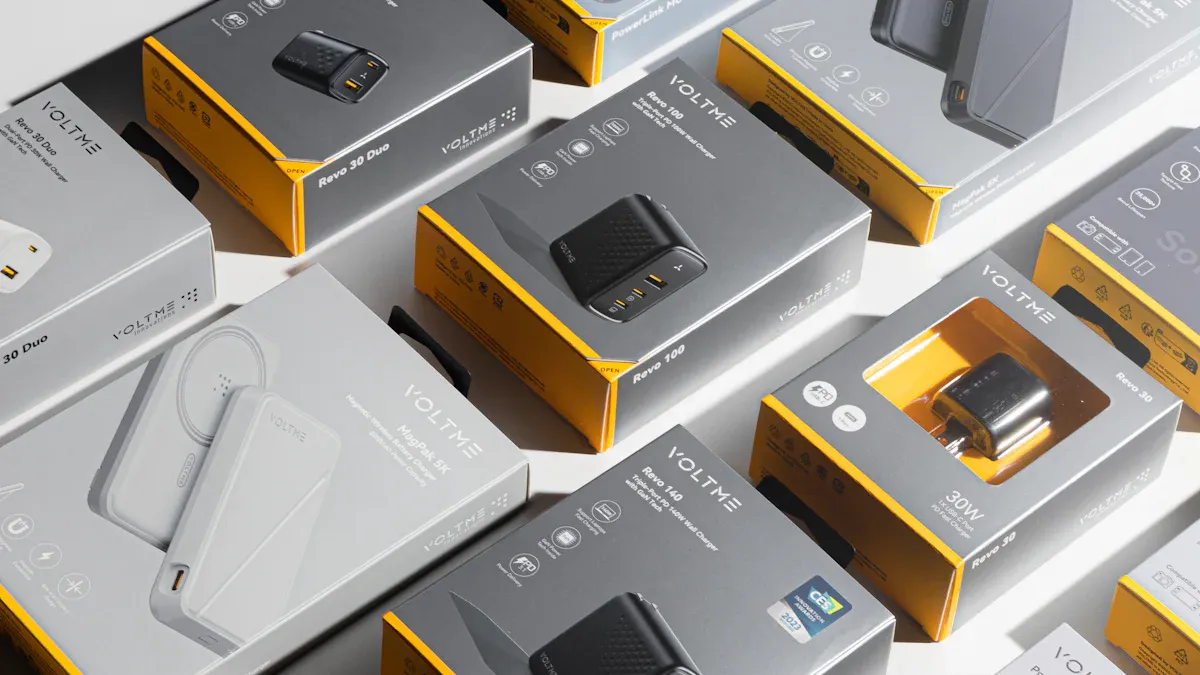
To find reliable accessories providers in 2026, you need a careful checking process. The smartphone accessories market is expected to be worth $99.58 billion this year, so picking the right partner matters. A reliable supplier protects your profit, stock, and customer trust. Your process should cover quality standards, sourcing channels, sample testing, contract terms, and warning signs. Your ability to find reliable accessories directly affects your profit and brand reputation. Do each step carefully to build a strong supply chain.
Before you choose a supplier, check their quality, pricing, and shipping.
Look for suppliers online, at trade shows, or in New York markets.
Test product samples and investigate supplier backgrounds to avoid poor choices.
Talk about different price levels and create lasting business relationships.
Watch out for warning signs, such as prices that are too low and shipping details that are not clear.
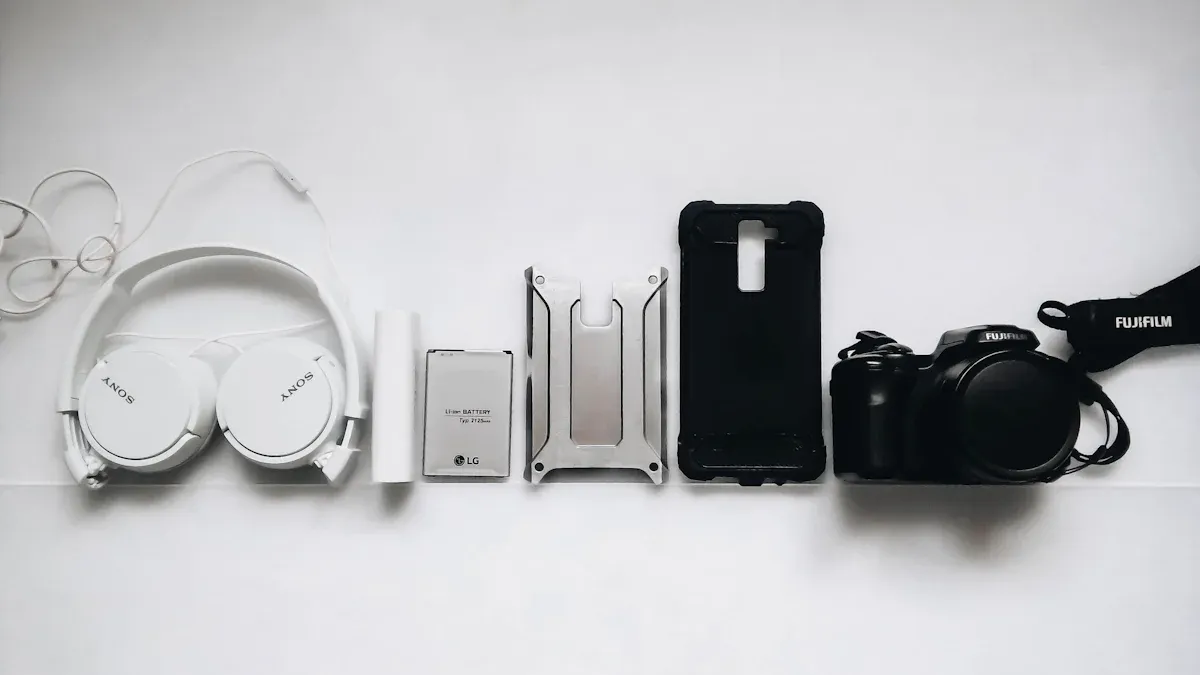
You need a starting point for each phone parts and accessories supplier you check. Quality, pricing, shipping, and returns make up that starting point. A supplier with low prices but bad quality control will cost you more in returns and lost customers. Ask for third-party test reports, not just what the supplier says about itself. Battery products must meet IEC 62133 for capacity and safety. Drop resistance and material composition also need lab verification. Good shipping means steady lead times and tracking on every order. Clear return policies protect your profits when defects show up.
Sustainability expectations have changed in 2026. Rules in the EU and California make proven eco-claims a top priority. Look for GOTS, TÜV OK Compost HOME, or rPET Chain-of-Custody reports. Stay away from vague "eco-friendly" labels. Packaging recyclability also matters for shelf placement. FSC-certified cardboard with water-based inks works well.
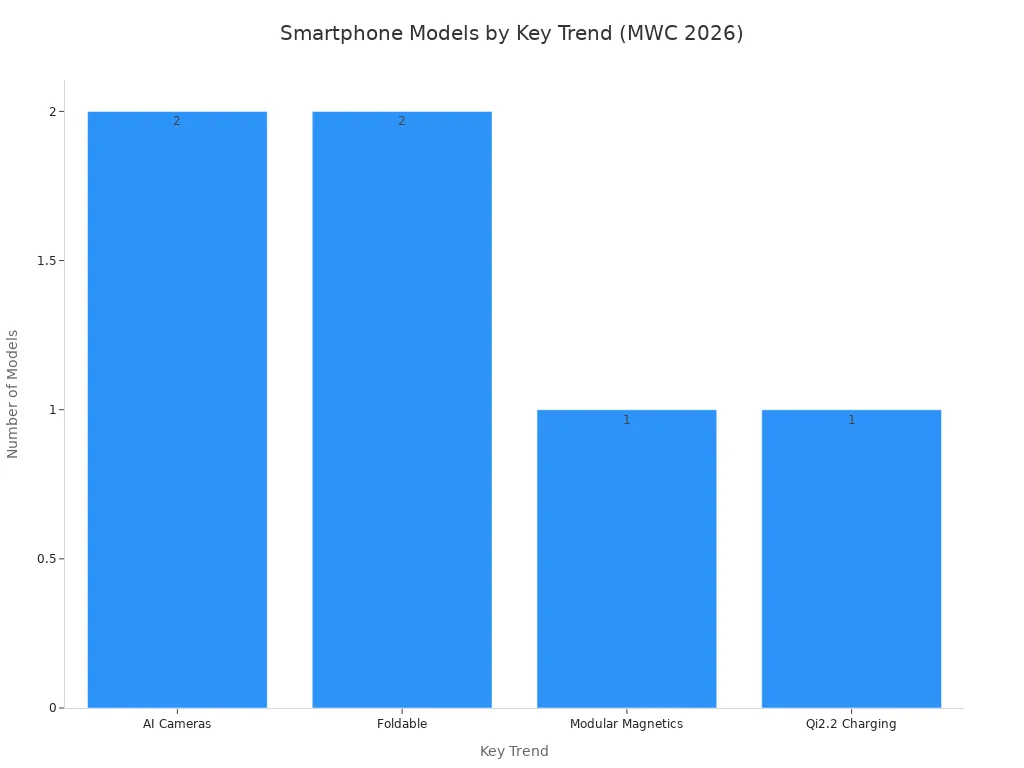
Tech compatibility changes fast. New models need updated case and charger designs. The Xiaomi 17 Ultra and Honor Robot Phone need lens protection and a stable grip. The Tecno Modular Concept needs strong magnets in cases. Foldables like the Honor Magic V6 and Motorola Razr Fold need slim, hinge-friendly cases. The Samsung Galaxy S26 needs Qi2.2-compatible fast wireless chargers.
X·ONE meets these high standards. Founded in 2009, the brand has sold over 100 million units in 60+ countries. It holds 180+ patents and Apple MFi, Qi, SGS, and TÜV certifications. Its DNA Guard 6m drop protection and EnduraClear™ Anti-Yellow Tech show real engineering depth. Certifications and patents show reliability to you and your customers. They set apart a true supplier from a reseller with no quality control.
Online platforms give you a quick way to start. Syncee links retailers with trusted suppliers in many product types. You can filter by region, product type, and shipping ability. These directories save you time. They also let you compare many sellers side by side.
US-based distributors give you another good choice. 2Valor, once called MyCoolCell, owns the MYBAT brand. This company has a strong name for steady stock and fair prices. We Accessory has been a wholesale supplier since 2012. Both companies work as a reliable cellphone distributor in New York and beyond. You can reach them through their websites or direct sales teams.
Industry directories add one more layer. Sites like ThomasNet and Maker’s Row list checked suppliers by category. You can look up business registrations and years in business. Referrals from other retailers also help a lot. Ask peers about their mobile accessories distributor. A personal recommendation often beats any online listing.
New York is still a big hub for wholesale trade. You can visit physical markets in Manhattan and Brooklyn. These places host dozens of cell phone accessories suppliers in NY. Walking the aisles lets you check products in person. You can test materials, look at packaging, and negotiate face to face. Many retailers find their best partners this way.
Trade shows give you even more value. Events like CES and CTIA bring together hundreds of vendors in one place. You meet company reps, see new products, and compare prices on the spot. Industry directories and referrals still work in 2026. But nothing beats a handshake and a product demo.
If you want mobile accessories wholesale in New York, plan a trip. Bring your checklist. Ask about minimum order quantities, lead times, and return policies. Visit many booths. Collect samples. A trade show packs months of research into a few days.
You can also find reliable accessories through regional distributors. A cell phone accessories wholesale distributor near you may offer faster shipping and local support. These partners know your market. They can change orders quickly when demand shifts.
For wider reach, think about a national mobile accessories distributor. These companies often carry many brands and handle logistics for you. They act as one point of contact for many product lines. This makes your buying process simpler.
A top cellphone distributor in NY will give references. Ask for them. Call those references. Ask about fill rates, defect handling, and communication speed. This step tells a true partner apart from a middleman.
You should also check online reviews and industry forums. Retailers share honest feedback about suppliers. Look for patterns. Steady complaints about late shipments or bad quality point to a problem. Positive mentions of a cellphone distributor in New York carry weight.
Combine online research with in-person visits. Use directories to build a shortlist. Then go to trade shows or visit New York wholesale markets. This two-part approach helps you find reliable accessories and avoid costly mistakes.
You should order samples before you agree to any big purchase. This step lets you test product quality with your own hands. Check the materials, the fit, and the finish. Plug in chargers and test their output. Drop a case from waist height and look at the corners. A supplier who refuses samples or charges unfair fees for them is a warning sign.
Background checks matter just as much. Look up the company's business registration and years in operation. Read reviews on industry forums and retail communities. Ask other store owners about their experience with that supplier. A reliable supplier will have a clear track record you can verify. Check for certifications like Apple MFi, Qi, SGS, or TÜV. These documents prove that quality control meets global standards.
For a mobile phone spare parts distributor, ask for client references. Call those references. Ask about fill rates, defect rates, and how the supplier handles problems. A phone parts distribution supplier with nothing to hide will share this information freely. A broad-sku distribution partner should also show you its catalog depth and stock levels. Verify that the supplier holds inventory, not just takes orders and sources later.
Clear communication is a low-risk test you can run early. Send a detailed inquiry with specific questions about mobile phone parts and accessories. Note how fast the supplier replies. Check whether the answers are direct or evasive. A reliable distribution supplier partner will give you straight answers about lead times, minimum order quantities, and pricing tiers.
Start with a small trial order before you scale up. This approach limits your risk and tests the supplier's full process. You learn how they pack, ship, and handle tracking. You also see how they respond if something goes wrong. A supplier who performs well on a small order earns your trust for larger commitments.
For China-based suppliers, evaluate MOQ, wholesale price, and delivery times with extra care. Ask for a sample order first. Confirm the exact cost per unit at different quantities. Get written confirmation of production and shipping timelines. A phone parts wholesale supplier in China may offer lower prices, but you must factor in shipping time and customs. A mobile accessories distributor that communicates clearly and delivers on a trial order is worth a long-term relationship.
Distributor verification does not stop at one check. Revisit your supplier's performance after each order. Track defect rates and on-time delivery. A reliable supplier improves over time. A weak one makes excuses. Your phone parts and accessories supply chain depends on this ongoing attention.
Begin by talking about pricing tiers when you work out a supply contract. Good suppliers give you clear price steps for different order amounts. Ask for written quotes at several tiers and compare the cost for each unit. The table below shows common phone case prices at three quality levels.
Price Tier | Typical Range | Materials & Features | Expected Lifespan | Best For |
|---|---|---|---|---|
--- | --: | --- | --- | --- |
Budget | $5–15 | PET plastic or basic tempered glass, minimal coating, single unit | 2–4 months | Light users, frequent phone upgraders, backup protection |
Mid-Range | $16–35 | Quality tempered glass, durable oleophobic coating, alignment tools, 2–3 pack | 6–12 months | Most users, daily phone use, balanced value |
Premium | $36–60+ | Advanced materials, specialized coatings, installation frames, warranties | 12–24 months | Heavy users, expensive devices, specific feature needs |
Knowing this tier structure helps you get better terms. A supplier might give you a mid-range price with premium features if you sign a long-term contract. You can use several methods to lower costs. Ask for a price ladder across 500, 1,000, 3,000, and 5,000 units. The mid-tier often gives you the best drop in per-unit cost. Promise a fixed total volume over 12 months with quarterly orders. A supplier may give you 10–18% off standard pricing for that promise. Offer faster payment terms like 50/50 T/T in exchange for a 3–5% discount. Put multiple items into one purchase order to save about 15% on the total.
One supplier warns against picking the cheapest factory. The lowest quote often hides three hidden costs: the cost of time from late shipments, the cost of reputation from bad product quality, and the cost of frustration from fixing mistakes. True value comes from a partner who delivers precision and reliability.
Check your supplier often after you sign a contract. Market trends and technology change fast in 2026. New phone models need updated accessories. You must make sure your supplier keeps up with these changes. Product quality can drop if a supplier stops putting money into new materials or testing.
X·ONE offers a full partner support program. The brand gives material, training, marketing, exhibition, technical, and after-sales support. This program helps you stay competitive without adding work to your team. You get premium packaging and proprietary technology that builds customer trust. A reliable distribution supplier partner that offers these resources helps you grow your business.
Track defect rates and on-time delivery after each order. Ask for quarterly reviews with your supplier. Talk about what works and what needs to change. If you see quality drop or shipping delays, fix them early. Keep high quality across every shipment to protect your brand reputation.
Stacking negotiation strategies gives you the best long-term value. Combine volume tiering, material substitution, and off-season ordering. Your relationship with a supplier grows stronger over time when both sides benefit.
You must look closely at any phone parts and accessories supplier you check. A price that is much lower than the market almost always means trouble. A seller who offers a fast charger for a tiny fraction of the normal price probably cuts corners on electrical safety. Those products may not have thermal protection or surge protection. Check for missing certifications like CE, FCC, or RoHS marks. A supplier with no quality control often ships items with uneven seams, loose ports, or misspelled brand names. This poor quality control also covers materials that break after light use. The product quality then suffers and leads to customer complaints.
Quality problems come in many forms. Some sellers lie about specifications. One seller claims high capacity but sends low-grade components. Another sells recalled products at illegal discounts even though they have safety defects. Watch for counterfeit materials that look like real parts but fail quickly. A supplier who hides quality certifications from the listing is hiding something. Your supplier selection checklist must review listing authenticity and overall quality grade. Reliable suppliers show clear photos of ports, edges, and thickness. Counterfeit sellers use only stock images with slightly changed product names.
Healthy Sign | Warning Sign | |
|---|---|---|
Product details | Exact fit, materials, and dimensions | Generic copy with no model info |
Discount | Realistic reduction from known price | Huge markdown with inflated "original" price |
Packaging | Matches manufacturer's official photos | Misspellings, mismatched web address |
Certifications | Genuine CE, FCC, or RoHS marks | Missing or fake certification labels |
How well a supplier communicates tells you a lot about them. Slow replies or evasive answers suggest a disorganized operation. A supplier who pushes you for immediate payment or asks you to move to another platform is a clear warning. Reliable suppliers put timelines in writing on every quote. If a supplier refuses to commit to a delivery schedule, walk away. Some suppliers disappear after you send payment. That common scam costs retailers thousands every year.
Shipping red flags also put your business at risk. Some suppliers give wide ranges like 2 to 4 weeks instead of a specific date. Others say vague things like we will let you know when it ships. These behaviors suggest the supplier may be understaffed or outsourcing production. Both scenarios put reliable delivery at risk. Track supplier quality in your own records. Ask for tracking on every order from day one. Inconsistent lead times hurt your inventory planning and customer trust. Your ongoing evaluation of each phone parts and accessories partner should track delivery reliability as a key metric.
You now have a clear plan for a dependable supply chain. First, decide on your rules. Find providers through marketplaces, distributors, and trade shows. Check every supplier with samples and background checks. Talk about pricing tiers, contracts, and return terms. Stay away from red flags like unrealistic prices and unclear shipping promises. These steps help you find reliable accessories for your store.
Checking your supplier often keeps them in line with 2026 trends. Look at defect rates and delivery times every quarter. Build long-term partnerships for steady supply and stronger profits. A trusted supplier protects your margins and your customers. Start your vetting process today.
Start by ordering samples. Use your own hands to check the materials, fit, and finish. Test how well the charger works. Drop the cases from waist height. A good supplier sends samples without charging too much. If a supplier won't send samples, that's a warning sign.
Look for Apple MFi, Qi wireless, SGS, and TÜV marks. A certified supplier meets global quality standards. Eco-certifications like GOTS or FSC also count this year. These papers show you can trust this partner with your inventory.
Ask for written quotes at 500, 1,000, 3,000, and 5,000 unit levels. Promise a set yearly volume to get lower prices. Offer to pay faster in exchange for lower costs per unit. A flexible supplier will work with these requests. A rigid supplier may not fit your long-term plans.
Prices that are much lower than the market mean hidden costs. Slow replies show the operation is disorganized. Missing certifications point to quality problems. A reliable supplier gives you clear paperwork and quick answers. Trust your gut during the vetting process.
Join X.ONE to access our best-selling original product,and leverage our end to end technical and marketing support to unlock new growth opportunities for your business.
 Material Support
 Training Support
 Marketing Support
 Exhibition Support
 Technical Support
 After Sales Support