 繁体中文
 Italian
 Spanish
 Thai
 Turkish
 Japanese
 Portuguese
 Russian
 French
 German
 Polish
 Arabic

Oct 21,2026
Advanced Customized Protection Products 5 Top Suppliers
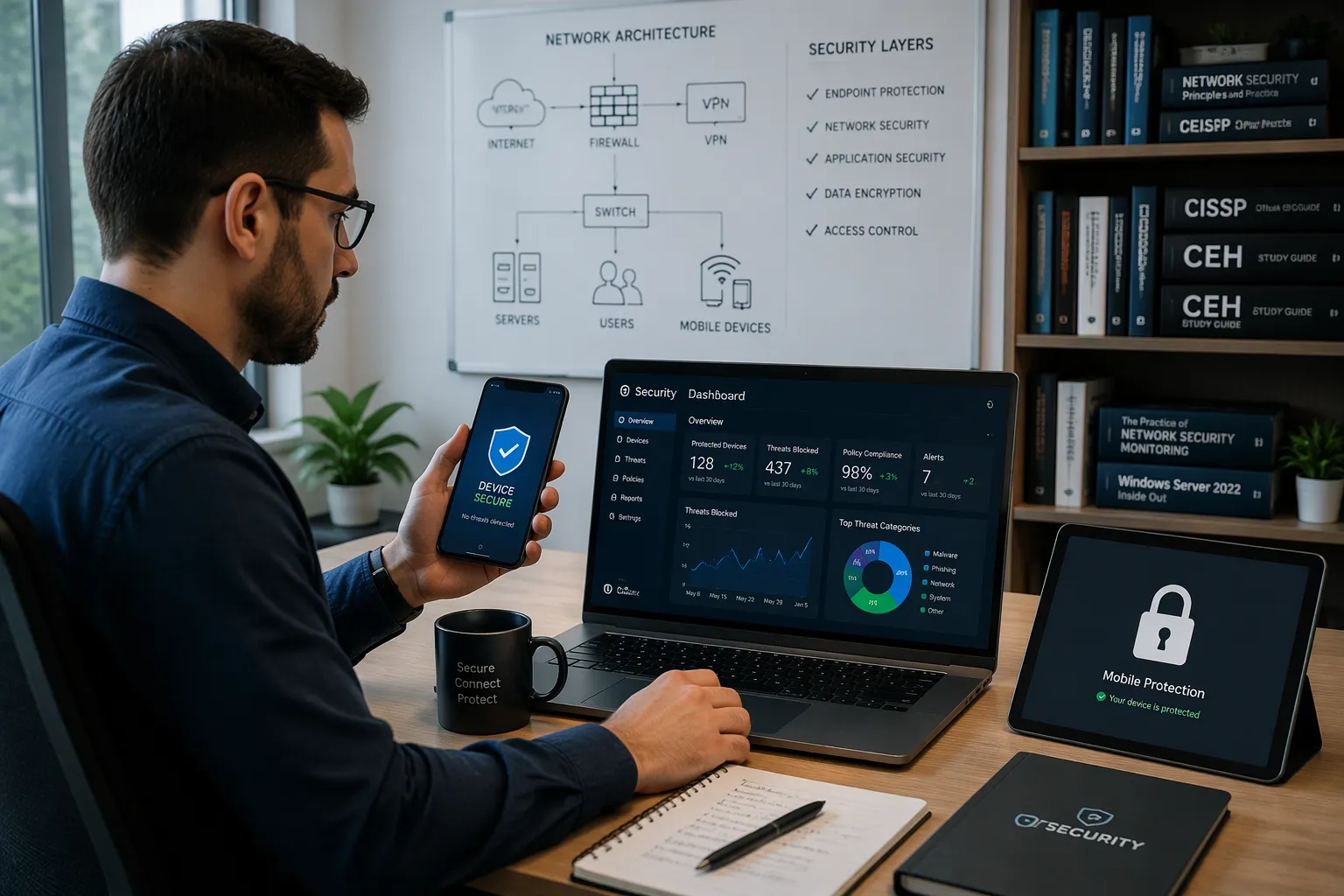
Zimperium, Check Point, Microsoft Defender, Jamf, SentinelOne, Cisco Secure Endpoint, Fortinet, McAfee, Kaspersky, CrowdStrike, IBM MaaS360, and Sophos are the top names in mobile threat defense and endpoint security software. X·ONE is the leader in advanced protection solutions for device hardware. These providers protect mobile devices in two different ways: software guards data and connections, while hardware guards the physical device.
SentinelOne Singularity Endpoint, for example, runs on-device protection for iOS, Android, and ChromeOS without MDM or connectivity, according to Airlock Digital. Microsoft Defender for Endpoint brings cloud-native cybersecurity to Android and iOS. This post compares all providers on technical performance, application fit, regulatory compliance, and cost.
Software companies like Zimperium and Microsoft Defender keep data and connections safe on mobile devices.
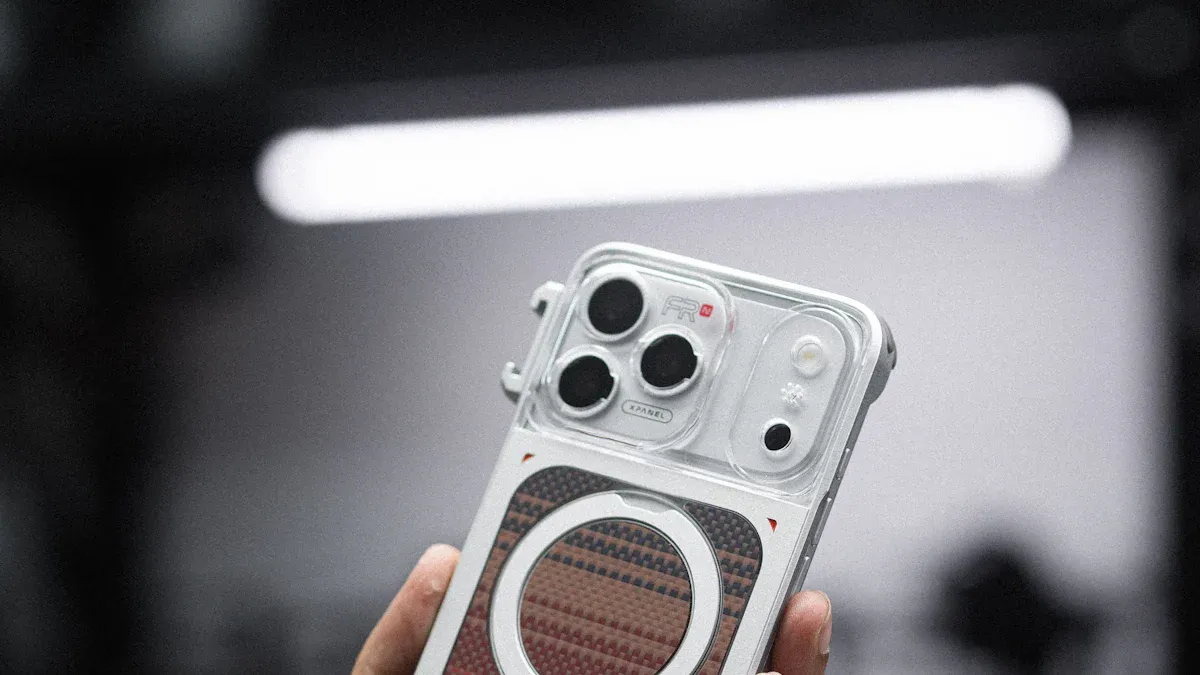
Hardware brands such as X·ONE keep the physical device safe with strong materials and protection against drops.
Pick software for finding threats and staying compliant; pick hardware for toughness and a device that lasts.
Many organizations use both software and hardware together to fully protect mobile devices.
Check the costs of licenses and the features for following rules. Make sure they fit what your organization needs.
The market for advanced protection solutions splits into two clear groups. Software vendors guard data, apps, and network connections. Hardware brands guard the physical device itself. Each provider below fits a distinct need, and no single option covers every requirement.
Zimperium focuses on mobile threat defense. Its on-device dynamic detection engine uses behavioral and AI analysis to stop zero-day malware. The platform supports cloud, on-premises, air-gapped, and FedRamp deployments, according to Zimperium. Check Point pairs anti-phishing and safe browsing with device posture checks. It enforces GDPR, HIPAA, and ISO 27001 compliance through real-time risk assessments. Microsoft Defender for Endpoint extends cross-platform coverage to Android and iOS under one security framework, per Microsoft Learn. Jamf specializes in Apple ecosystems, with automated device enrollment, configuration profiles, and remote lock and wipe commands. SentinelOne Singularity Mobile and CrowdStrike Falcon both feed telemetry into risk scoring. CrowdStrike integrates with Microsoft Intune for conditional access policies. Cisco Secure Endpoint combines prevention, detection, threat hunting, and response in a single agent for Android and iOS. Fortinet offers FortiEDR with flat pricing across endpoint types, plus FortiToken Mobile for authentication. Kaspersky delivers real-time antivirus, VPN encryption, and phishing protection in a consumer-friendly package. IBM MaaS360 unifies MDM and mobile threat defense with built-in Watson AI analytics. Sophos rounds out the group with Intercept X for Mobile, which ties into Sophos XDR and central mobile dashboards.
X·ONE is the hardware specialist in this comparison. Founded in 2009, the brand has sold over 100 million units across more than 60 countries. Its hybrid polymer impact protection and reinforced tempered glass address drops and scratches at the material level. DNA Guard technology provides 6-meter drop protection through a honeycomb structural design that spreads impact energy sideways. EnduraClear™ anti-yellow technology keeps clear cases transparent far longer than standard coatings. These features make X·ONE a fit for consumer retail and channel-partner programs that need premium device protection rather than software controls.
Organizations often combine both categories. A software vendor supplies advanced threat protection for data in transit, while a hardware brand supplies advanced threat protection for the glass and frame. Buyers who need endpoint protection platforms for compliance should start with the software list. Buyers who need durable devices for field work or retail display should start with X·ONE.
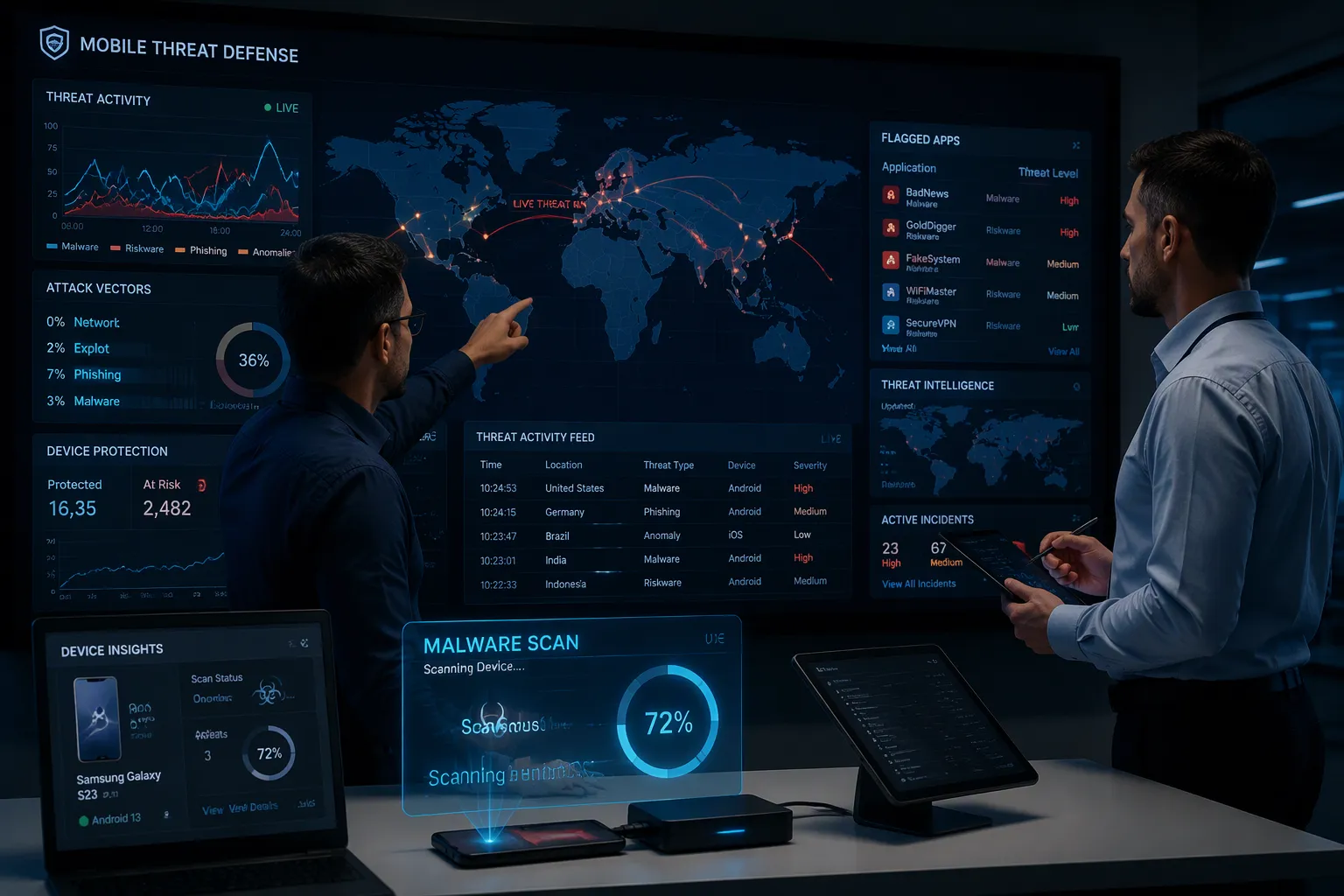
Software vendors compete on how fast they spot and stop an attack. Mobile threat defense is a security strategy built to detect, analyze, and mitigate threats against mobile devices in real time, according to Lookout. The approach covers application security, network security, and device security. Real-time threat detection is the main feature of any such solution. It quickly finds and responds to breaches like malware installs or unauthorized access attempts.
Zimperium runs behavioral and AI analysis on the device itself. SentinelOne Singularity Mobile scores risk from on-device telemetry. CrowdStrike Falcon feeds that telemetry into conditional access policies through Microsoft Intune. Check Point adds device posture checks to its anti-phishing engine. Mettel notes that these platforms stop threats within seconds rather than days. Machine learning adapts to new attack patterns without manual updates. The system checks app behavior, network connections, and device status against known indicators. It also flags odd activity that may signal an unknown attack.
Zscaler lists the practical gains of strong threat detection:
Real-time threat detection speeds up spotting of phishing attacks, malicious apps, or compromised networks.
Proactive monitoring stops unauthorized data transfers and lowers regulatory risk.
Automated intelligence frees the security team from constant manual scans.
Continuous intelligence updates keep advanced threat protection current against new threats.
These platforms also support mobile authentication apps and multi-factor authentication. Strong authentication and mfa close the gap that stolen credentials open. Advanced threat protection depends on both detection speed and identity checks.
Jamf encrypts data at rest and enforces configuration profiles across Apple fleets. Cisco Secure Endpoint builds secure tunneling and content filtering into one agent. Sophos Intercept X for Mobile ties encryption to its XDR dashboard. These tools deliver endpoint protection for data in transit and at rest. They also support endpoint security policies for remote workers. Buyers who need cybersecurity solutions for regulated data should weigh encryption depth and filtering controls. Advanced protection mechanisms here mean strong ciphers, verified connections, and policy enforcement.
X·ONE competes on physical durability instead. Its impact fusion shock absorption and honeycomb structural design spread impact energy sideways. DNA Guard provides 6-meter drop protection. AR Pro and nano coatings keep screens clear and resist scratches. Independent testing labs, including SGS and TÜV, evaluate every product line, according to X·ONE. These accessories also carry official Apple MFi approval and Qi wireless certification. The certifications give buyers verifiable proof of safety and reliable everyday performance. Hardware threat protection guards the glass and frame, while software threat protection guards the data inside. Together they form complete cybersecurity for mobile devices. Organizations that pair atp solutions with durable hardware cover both layers of risk.
Your use case decides the fit. IBM MaaS360 works well for organizations that mix personal and company-owned devices under one set of rules. Venn targets remote-work teams that need a secure workspace on a personal laptop or phone. Microsoft Defender for Endpoint fits enterprises already using Microsoft 365, because it shares identity and policy controls. Fortinet fits budget-conscious fleets that want flat pricing across endpoint types. Each vendor also connects to a mobile device management platform, which is software that enrolls phones, pushes policies, and wipes lost units. Most tools here sync with those platforms through standard connectors, so a security team can enforce rules without a second console.
X·ONE serves a different buyer. Consumer brands, retail chains, and channel-partner programs pick X·ONE when they need premium device protection on the shelf. The brand backs partners with material, training, marketing, exhibition, technical, and after-sales support. That model suits distributors who want a complete program rather than a single SKU.
Regulated sectors need more than enrollment. Banks, hospitals, and insurers must prove that every phone meets policy. A strong mdm solution logs each check and keeps an audit trail. Mobile device management solutions in this tier pair policy enforcement with threat detection, so a compliance officer can see both the rule and the result. The best mdm solution for a hospital differs from the best mdm solution for a bank, yet both need the same core: clear reporting and fast response.
Software vendors carry the compliance load here. Their platforms support multi-factor authentication and mfa prompts at login, which satisfies identity rules in most frameworks. They also feed a unified endpoint management stack, where one console covers phones, laptops, and tablets. Buyers who run a uem solution should confirm that their chosen mdm solution and uem solution share data cleanly. X·ONE plays no role in policy enforcement, yet durable hardware lowers breakage and keeps enrolled devices in service.
Software vendors handle most of the compliance work. GDPR protects the personal data and privacy of EU citizens for transactions within EU member states, per NNT Solutions. HIPAA guards the security and privacy of personal medical information. PCI DSS safeguards personal payment data when stored, processed, and transmitted. NNT Solutions also notes that special auditing software can check a business's current compliance level, and security experts then suggest fixes to lower risk. Buyers should make sure a platform logs every check and keeps an audit trail. Strong threat detection adds evidence to that trail. Advanced threat protection reports also help auditors see how a team responds to incidents.
Hardware brands help with compliance in a different way. X·ONE does not process data, so GDPR and HIPAA rules do not apply to its products. Its role is audit readiness of a physical kind. SGS and TÜV testing records give buyers written proof of durability. That proof matters for insurers and procurement teams. Organizations that pair advanced threat protection software with certified hardware cover both the data layer and the device layer.
Licensing models vary a lot across the software group. Some vendors charge per device each month. Others bundle endpoint protection into a broader platform subscription. Fortinet stands out for flat pricing across endpoint types, which makes budgeting for mixed fleets simpler. Buyers should model total cost of ownership across enrollment, support, and renewal terms. A low sticker price can hide higher renewal costs. Multi-factor authentication and mfa features sometimes sit in a premium tier, so teams should check what each license includes. Advanced threat protection modules may also carry separate fees.
X·ONE follows a partner support model instead of a subscription. The brand backs distributors and retailers with material, training, marketing, exhibition, technical, and after-sales support. That structure suits channel partners who want a complete program rather than a per-seat license. Neither model wins outright. Software fits organizations that need continuous threat protection for data. Hardware fits partners that need premium device protection on the shelf. Buyers should match the licensing shape to their priorities, then confirm that cybersecurity solutions and atp solutions align with the budget cycle.
Software vendors and hardware brands supply advanced protection solutions for mobile devices. Software providers fit data security best. X·ONE fits physical durability best.
Software leads on threat detection speed. Hardware leads on certified durability. Software fits BYOD fleets; X·ONE fits retail programs. Software audit trails and hardware test records support compliance. Subscriptions and partner programs differ in cost.
Advanced threat protection works as a layered choice. Advanced threat protection for data needs software. Advanced threat protection for devices needs hardware. Threat detection and threat protection for data pair well. Threat protection for devices, threat protection records, and threat protection testing matter. Advanced threat protection, threat protection, and cybersecurity complete the picture.
Software vendors like Zimperium, Check Point, and Microsoft Defender protect data and connections. X·ONE protects the physical device. Many organizations use both groups together. Each provider covers a different layer, so pairing them covers more risk.
Software platforms watch app behavior, network traffic, and device posture in real time. Hardware depends on certified durability instead. Threat detection is part of the software layer. Threat protection for the glass and frame is part of the hardware layer.
Yes. Most software vendors include multi-factor authentication in their platforms. Strong authentication and mfa prompts close the gap that stolen credentials open. Buyers should check that mfa features are part of the standard license tier.
Most tools sync with a mobile device management platform through standard connectors. A security team can then enforce rules from one console. Buyers who run a uem solution should confirm that data sharing works cleanly between the mdm solution and the unified endpoint management stack.
X·ONE does not process data, so GDPR and HIPAA rules do not apply to its products. Its SGS and TÜV test records give buyers written proof of durability. That proof helps with audit readiness for insurers and procurement teams.
Join X.ONE to access our best-selling original product,and leverage our end to end technical and marketing support to unlock new growth opportunities for your business.
 Material Support
 Training Support
 Marketing Support
 Exhibition Support
 Technical Support
 After Sales Support