 繁体中文
 Italian
 Spanish
 Thai
 Turkish
 Japanese
 Portuguese
 Russian
 French
 German
 Polish
 Arabic
Oct 21,2026
Recommend Trusted Partners to Grow Your Accessory Business
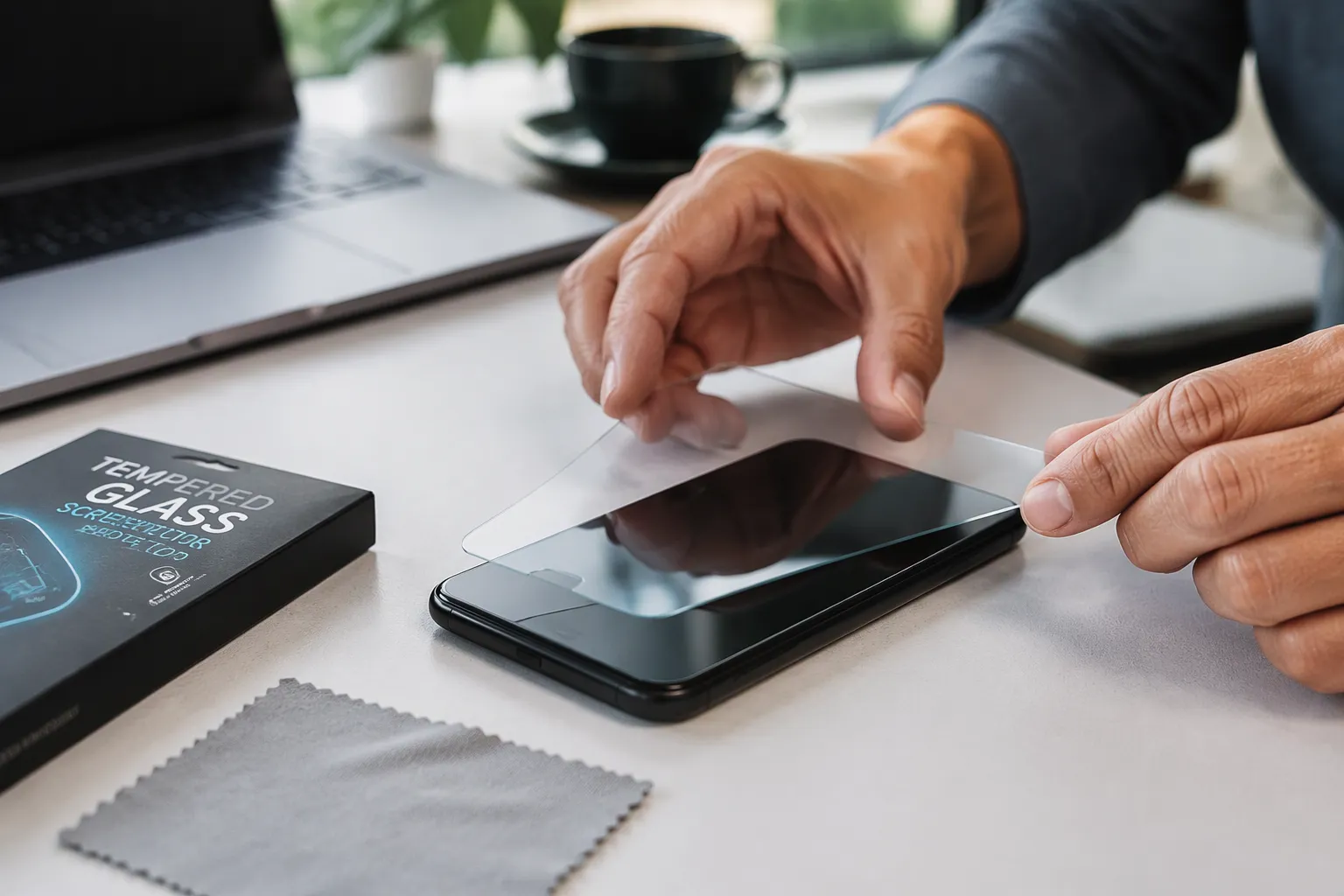
A reliable company passes four checks: how well it works, how well it fits, if it follows the rules, and if the price is clear. These checks matter more today. Curved screens are hard for stiff tempered glass, and fingerprint sensors under the screen need thin films that respond fast, as yizhenfilms.com notes. A bad mobile phone screen protector also means you buy it again and again.
Use these four checks as your plan. Ask how a supplier proves the screen is clear and strong. Check the fit for curved edges and fingerprint sensors on each model. Confirm the certificates and warranty terms. Compare prices against the total cost over time. Then watch for warning signs: vague specs, missing certificates, and reviews about bad fit. The right screen protectors prove themselves with facts, not slogans. This guide shows you how to judge a glass screen protector, compare protectors fairly, and expect real protection from every purchase.
Check how well the screen protector works: clear view, touch response, and real scratch resistance matter more than a 9H label.
Make sure the protector fits your exact phone model. This matters most for curved screens and fingerprint sensors.
Ask for certificates like RoHS, REACH, and SGS to show the product is safe and good quality.
Compare the total cost over time: a premium protector with a lifetime warranty often saves money.
Look out for red flags. These include unclear specs, missing certificates, and reviews about bad fit.
Clarity, touch sensitivity, and hardness decide how a glass screen protector feels every day. Good optical clarity keeps colors sharp, per Tenwin Glass. Touch response depends more on the material and adhesive than on thickness. Cheap tpu screen protectors trap an air gap, and that gap weakens touch detection. A glass screen protector with full-surface adhesive bonds flat and keeps taps responsive. Compare types of screen protectors on these three traits first.
Hardness needs caution. A 9H label comes from the ASTM D3363 pencil test. Manny Ceramic Pro Touch notes a 9H pencil rating equals only about 3–4 on the Mohs scale. Quartz dust sits at Mohs 7, so it still scratches a 9H coating. Huide Glass warns:
Don't pay too much attention to the hardness rating that brands advertise—most use the ASTM hardness scale, in which the hardest pencil (9H) is softer than tempered glass, making it a useless indicator of protection.
Scale
Range
What It Measures
9H Equivalent
Pencil Hardness (ASTM D3363)
6B to 9H
Coating scratch resistance via pencil lead
Highest pencil rating
Mohs Mineral Hardness
1 to 10
Mineral-to-mineral scratch resistance
Approximately 3–4
Scratch resistance and anti-shatter screen protection show true glass quality. A tempered glass screen protector takes in impact by breaking. Rokform explains that a protector which cracks on a concrete drop while the phone survives did its job. Cracks that stop at the edge show energy spread well. Uniform shattering with no impact point points to a defect. Tempered glass screen protectors win on clarity and scratch resistance. Real-world protection starts with durability. Protectors with good durability resist scratches.
Coatings add the finishing layer. X·ONE Surface Protect Tech combines EnduraClear™ Anti-Yellow Tech, AR Pro Coating, and Nano Coating Tech on fortified tempered glass. These layers keep a glass screen protector clear and scratch-resistant over time. An oleophobic surface also resists fingerprints and wipes clean easily. Together they deliver impact- and scratch-resistant performance you can trust.
A company you can trust gives clear guidance on which phones each protector fits. Check your exact phone and sensor before you buy, as Vertu advises. A label like "fingerprint compatible" helps only if it matches your model and sensor. This matters for both optical and ultrasonic in-display readers. Some phones put the sensor on the side or power button, so confirm the location first. Google says screen protectors can get in the way of Pixel fingerprint recognition and suggests model-matched protectors. Samsung notes that third-party films can cause lifting edges, touch problems, and rainbow-like patterns on Galaxy devices. Treat these as possible issues, not certain results.
On a 2.5D or curved display, compare the protector's shape and adhesive coverage with the screen. A poor match can cause lifted edges, bubbles, or weak touch response near the edges. Check whether the protector covers only the flat viewing area or follows the display's curves. A glass screen protector made just for your phone fits better than a universal sheet. After screen protector installation, test typing, edge swipes, the camera, and fingerprint recognition. A good tempered glass screen protector gives full coverage without lifting.
A good installation kit comes with alignment tools, a dust-removal sticker, a microfiber cloth, and clear instructions. Rokform calls hard installation a red flag for poor product design. Quality protectors go on easily because makers build in alignment tools, forgiving adhesives, and bubble-release technology. Cheap adhesives trap bubbles and lose their stickiness over time. Quality adhesives use silicone compounds that fix minor bubbles on their own and hold up through temperature changes.
Bubble-free adhesion shows precision engineering. Baseline Equipment describes self-bonding adhesive that goes on smoothly and leaves no residue, plus exact sizing with a small edge margin to stop debris buildup. Reliable companies help you balance thickness, durability, and your needs. They never push one universal product. That approach sets quality tempered glass screen protectors apart from generic types of screen protectors, including tpu screen protectors that trap air. Expect real screen protection and lasting durability from every tempered glass screen protector you buy.
Certificates turn safety claims into facts you can check. Ask for the papers behind each logo. A serious supplier shows you the documents right away.
Certification | What it verifies |
|---|---|
Apple MFi | Proves it works with iPhone extras |
Qi wireless | Ensures charging passes through the screen protector |
SGS and TÜV | Show independent testing (test reports) |
ISO | Shows steady process control (management system papers) |
REACH and RoHS | Prove chemical safety for your market |
RoHS limits harmful substances in electrical gear, including lead, mercury, cadmium, and phthalates. REACH controls chemical substances across EU products and covers over 240 substances of high concern. Both matter when you buy a glass screen protector that touches your skin every day.
X·ONE holds Apple MFi approval, Qi wireless certification, and SGS and TÜV testing, so you can check compliance instead of trusting a slogan. Check each certificate number with the issuing body yourself. Ask for numbers, not just logos. A glass screen protector with real documents protects your phone and gives you peace of mind.
Warranty terms show how confident a maker is more honestly than marketing claims, as Rokform notes. A lifetime warranty signals that the company expects its product to last and will stand behind that promise. Comprehensive puts it plainly:
When you see the Comprehensive Lifetime Warranty, you can feel confident you are choosing a brand trusted by professionals worldwide.
Compare warranty types before you commit. A replacement-only warranty beats nothing, but a money-back guarantee beats both. Limited terms may exclude installation defects or normal wear, and that cuts their value fast. Many cheap screen protectors carry no warranty at all. A one-year replacement program also shows support after the sale. Pair strong paperwork with strong warranty terms, and you have a glass screen protector you can trust for the long run.
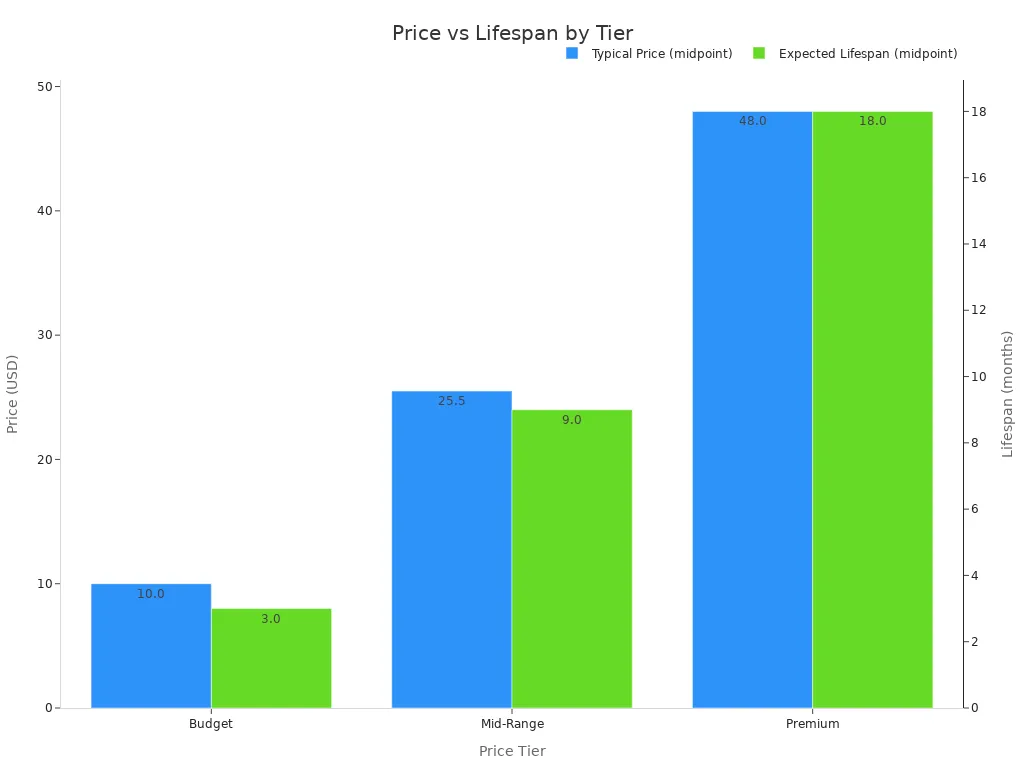
Screen protectors come in a wide range of prices. Plopl Protector says standard models sell for $10 to $30, while premium versions reach $40 to $60 or more. Rokform splits the market into three tiers, and each tier fits a different kind of buyer.
Price Tier | Typical Range | Materials & Features | Expected Lifespan |
|---|---|---|---|
Budget | $5–15 | PET or basic tempered glass, minimal coating | 2–4 months |
Mid-Range | $16–35 | Quality tempered glass, durable oleophobic coating, alignment tools | 6–12 months |
Premium | $36–60+ | Advanced materials, specialized coatings, installation frames, warranties | 12–24 months |
Rokform also shows how price lines up with expected lifespan across these tiers.
A reliable company sets the price of a glass screen protector to match its materials and features. It also posts clear bulk discounts for partners. X·ONE helps partners with strong margins, premium packaging, and global approval certificates, so you can see the value behind each order.
Warranty coverage only pays off above a certain price. Rokform points out that a $10 shipping fee makes little sense on a $15 protector, and warranties carry real value only on protectors that cost $30 or more. Weigh replacement frequency, fit quality, and durability against the sticker price. A cheap glass screen protector that lifts at the edges costs more over a year than one premium tempered glass screen protector that lasts.
Total cost of ownership rewards careful buying. Count how often you replace a glass screen protector, then add shipping and processing time for claims. A premium tempered glass screen protector with a lifetime warranty often wins on long-term value. X·ONE partner benefits, including strong margins and premium packaging, show the same transparency at the business level. Every glass screen protector should earn its price through quality and durability.
A long history gives you something real to check. X·ONE began in 2009 and has sold over 100 million units in more than 60 countries. The company holds 180+ patents and works with 5,000+ resellers on six continents. These numbers show it has staying power. A company that lasts through many product cycles has learned what buyers need from a glass screen protector.
Product consistency matters just as much. Ask whether the same model performs the same way from batch to batch. Third-party testing answers that question. X·ONE sends its products to SGS and TÜV, so outside labs confirm the claims. Its DNA Guard 6m drop protection shows how the company tests durability in real conditions. You want a supplier that publishes test results and repeats them over time. Steady glass quality across every run tells you the factory controls its process. A reliable company treats consistency as a promise, not a slogan.
Support and returns show how a company acts after the sale. Test the support channel before you buy. Send a question about fit for your phone model and time the reply. Read the return policy in full. Look for clear windows, simple steps, and no restocking tricks. A supplier that hides its return terms will likely hide other problems too.
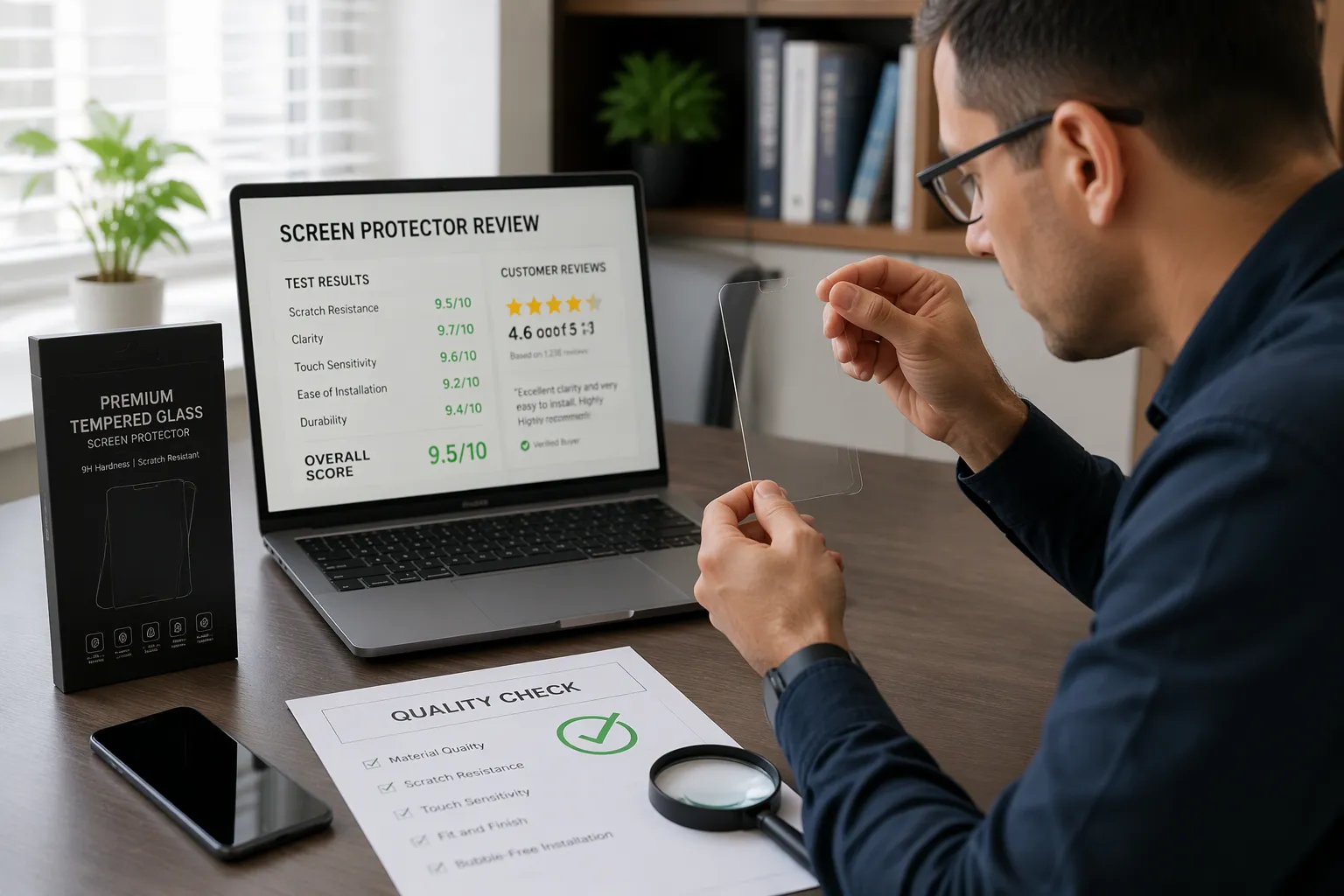
Independent reviews give you the outside view. Wirecutter, Reddit threads, and expert outlets test screen protectors without a sales motive. Search for your exact model plus the word "review." Brands like Spigen, amFilm, and ESR show up often in these comparisons. Spigen fits buyers who want a polished brand with wide retail availability. amFilm suits shoppers who want strong value in multi-packs. ESR works well for people who prefer affordable glass screen protector options with practical extras. Each brand fits a different need, and none deserves a blanket dismissal. Read several sources and weigh the patterns.
You can apply the same method to any tempered glass screen protector. Check the company's history, its test reports, and its support record. Then compare what reviewers say about fit and longevity. A glass screen protector from a proven brand earns trust through evidence. That evidence covers performance, fit, compliance, and cost. A reliable company welcomes the scrutiny, because its tempered glass screen protectors hold up under it. Use reviews to confirm reputation, and use your own support test to confirm service. Together they show you where a brand truly stands.
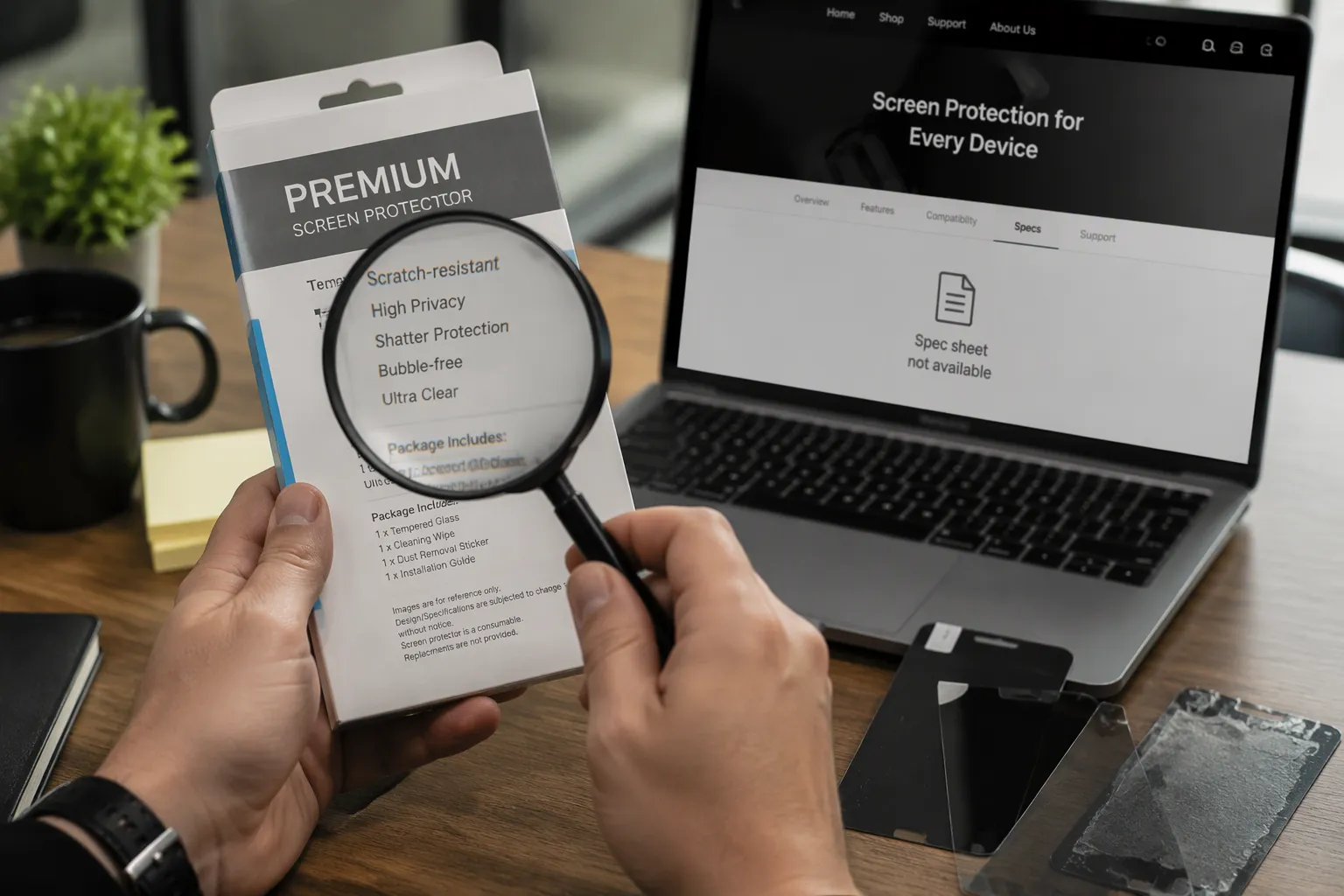
Pay attention to the words a listing uses. Alibaba's buying guide points out terms you cannot check, and each one hides a missing test report.
Vague Term | What to Verify |
|---|---|
"scratch-resistant" | Independent lab reports confirming 9H per ASTM D3363 |
"high privacy" | Measured viewing angles, such as ±30° |
"reduces blue light" | Spectrometer data showing 30–40% attenuation at 415–455nm |
"invisible" ultra-thin films | Skip unverified thin-film gimmicks |
"all-in-one" claims | Self-healing plus privacy plus antimicrobial usually weakens one function |
A glass screen protector with no spec sheet should make you suspicious. Look on the brand's own site for technical data, not in marketplace listing text. If the sheet is missing, assume baseline values of 0.3mm thickness and 9H hardness, per Alibaba's guide. Check the adhesive type too. Silicone lets you reposition the protector, acrylic bonds the hardest, and "static cling" labels point to low-tack PET rather than glass. Skip products with vague "just peel and stick" instructions. A reliable company publishes video-guided installation steps and real numbers. SPARIN's 13" Paper Glass, for example, states 92% paper-touch friction and 95% light transmittance, figures a buyer can hold the brand to, as izreview notes. Treat "military grade" as two words on a box unless the listing names a tested drop height. Missing certifications make the problem worse. No RoHS, REACH, or SGS paperwork means no proof of safety. Leaning too much on hardness ratings is another warning. A 9H pencil score says little about real scratch resistance, so weigh coatings and test reports instead.
Read reviews for patterns, not single opinions. Reddit threads cited by Inairspace show repeating signals: generic listings that claim universal fit, edges lifting with popular cases, rainbow effects, and weak support after defective deliveries. Follow-up comments months later matter most. They confirm long-term durability or expose hidden flaws. One angry review proves nothing. Repeated complaints across many threads tell you to look elsewhere. Installation complaints count too. Buyers describe ruining a premium protector with one dust particle or giving up on a brand over poorly designed alignment tools.
Hidden fees and unclear return terms complete the picture. Rokform lists warning signs: fewer than 500 total reviews, suspiciously perfect 5-star ratings, vague descriptions without specs, no warranty or contact details, and reviews mentioning wrong dimensions. Smartish offers a smart buying cue: confirm your exact model, then check published measurements, tested drop height, impact surface, and warranty terms. Treat any unverified spec as unconfirmed. Cheap tpu screen protectors and generic bundles often carry these red flags. Verify claims before you buy. A trustworthy glass screen protector survives that scrutiny, and a reliable company welcomes it.
A reliable company shows it is good through performance, fit, compliance, and cost. It then backs every claim with documents and support. Use this checklist from Inairspace to compare suppliers side by side.
Evaluation Area | Checklist Item |
|---|---|
Performance | Product quality and consistency |
Fit | Range of supported devices and product types |
Compliance | Certification and compliance documentation |
Reliability | Lead times and on-time delivery performance |
Cost | Pricing structure and payment terms |
Weigh each row against your own priorities. A premium brand should score higher on quality and customization than the lowest quote.
Test samples of screen protectors under the same conditions before you commit. Check fit on real devices, clarity, touch response, and scratch resistance. Then verify each certificate and read independent reviews. A good tempered glass screen protector earns trust through evidence. Demand that proof from every glass screen protector, glass screen protector, and glass screen protector you shortlist, and let a tempered glass screen protector with real test data win your order. Strong protection starts with verified claims.
No. The 9H label comes from the ASTM D3363 pencil test. That score is only about 3–4 on the Mohs scale. Quartz dust sits at Mohs 7, so it still scratches the coating. Judge screen protectors by coatings, test reports, and real drop data instead.
Check the listing for your exact model and sensor type. A good glass screen protector follows the display curves and covers the full viewing area. Test typing, edge swipes, and fingerprint unlock after installation. Lifted edges or bubbles mean a poor match. Reliable screen protectors state their compatibility clearly.
Look for RoHS and REACH for chemical safety. Ask for SGS and TÜV test reports. Apple MFi and Qi wireless certification matter for iPhone and wireless charging. X·ONE holds all of these, so you can verify each claim. Skip screen protectors with logos but no documents.
Not always. Budget protectors run $5–15 and last a few months. Premium tempered glass screen protector options cost $36–60+ and last 12–24 months. Add replacement shipping and your time. A durable glass screen protector with a lifetime warranty often wins on total cost. Compare screen protectors by lifespan, not sticker price.
Check history, consistency, and support. X·ONE started in 2009, sold 100M+ units in 60+ countries, and holds 180+ patents. Its DNA Guard 6m drop protection shows tested durability. Read independent reviews, test the return policy, and confirm certificates. Good protectors survive that scrutiny.
Join X.ONE to access our best-selling original product,and leverage our end to end technical and marketing support to unlock new growth opportunities for your business.
 Material Support
 Training Support
 Marketing Support
 Exhibition Support
 Technical Support
 After Sales Support