
 繁体中文
 Italian
 Spanish
 Thai
 Turkish
 Japanese
 Portuguese
 Russian
 French
 German
 Polish
 Arabic
Aug 27,2026
Top 5 Recommend Companies for Certified Phone Accessories
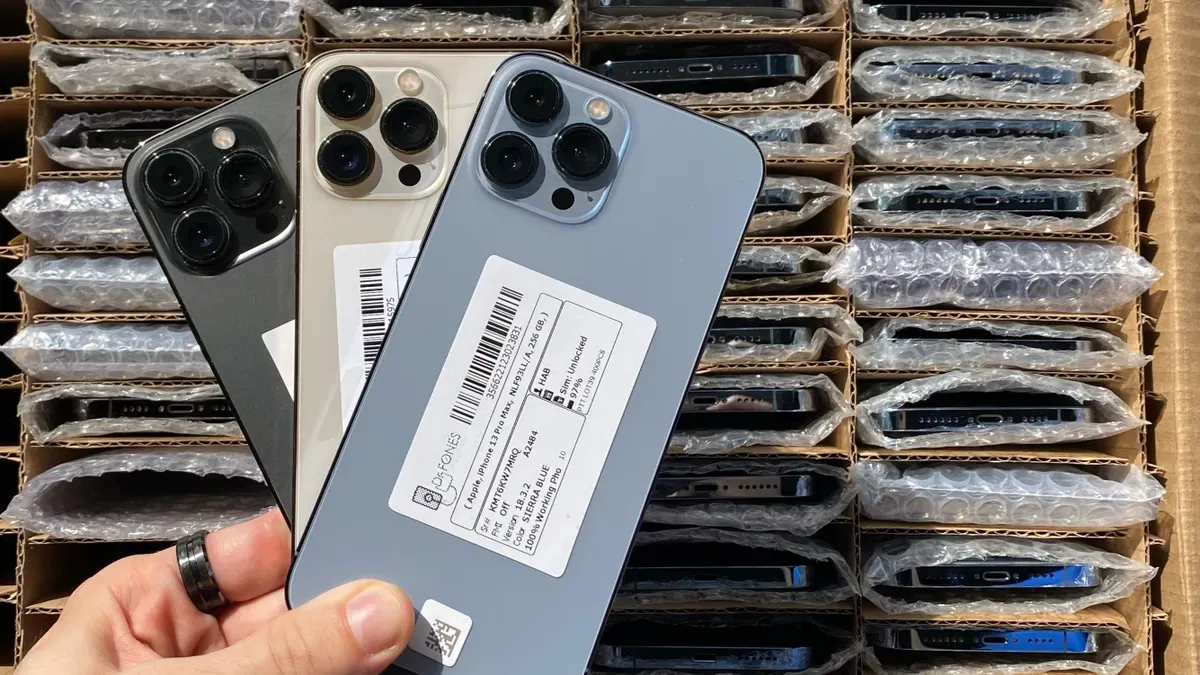
You can find professional suppliers in four main places: trade shows, B2B platforms, industry directories, and referrals from trusted contacts. Each channel gives you a different view of a manufacturer. Trade shows let you meet people face to face, platforms show catalogs and pricing, directories add background, and referrals bring proven experience.
This screen protector buying guide walks you through sourcing in order. You start by defining your requirements, then move to finding suppliers, evaluating them, testing samples, negotiating terms, and managing the relationship over time. Treat it as a checklist. Work through each step before you commit to a partner.
Decide what kind of phone case and protective film you need, how many you want to order, and how much you can spend before you contact suppliers.
Find professional suppliers by going to trade shows, using B2B platforms, checking industry directories, and getting referrals from trusted contacts.
Judge suppliers by their technical performance, compliance certifications, and cost. This helps ensure quality and reliability.
Ask for samples first. Test them for fit, clarity, touch sensitivity, and drop performance before you commit.
Talk openly about clear terms for pricing, MOQ, payment, lead times, and quality rules. Also keep strong supplier relationships through regular communication and performance tracking.
Begin with the physical details of your phone cases. The material you pick sets the base for how long the case lasts. Wood, polycarbonate, and silicone all handle frequent drops, so match the material to your target user. How well the case fits matters just as much. A good case fits tightly, keeps camera lenses open, lets every button work, and leaves all ports easy to reach. Precision-milled and hand-finished construction gives you that result.
The finish deserves the same attention. Deep side ridges add grip, and raised front edges protect the screen when the phone falls face-down. Clear designs show off the phone's finish, but yellowing over time is a common worry. Print quality decides how long a design keeps its look. Opaque designs should match the device's own finishes. For full-coverage artwork, ask for high-resolution files in CMYK color space.
Now look at protective films. Clarity comes first, and a quality film can reach 90% VLT while staying almost invisible to the naked eye. Hardness and coverage come next. Ask about topcoat thickness, since the topcoat polymer controls self-healing behavior. Request a Technical Data Sheet that lists elongation, peel strength, and UV transmission. These numbers predict real-world performance better than marketing claims.
Set a realistic minimum order quantity before you contact anyone. Your MOQ should match expected sell-through, storage space, and cash flow. A first order that ties up money in slow-moving stock helps no one. Set a budget range that covers unit cost, packaging, freight, and duties. Then compare quotes against that range, not just against each other. A higher unit price with better packaging may serve you better than the cheapest offer on the table.
You now have your specs and budget ready. The next step is to find professional suppliers using channels that fit your order size and how much risk you can take. Four channels cover most sourcing needs: trade shows, B2B platforms, industry directories, and referrals. Each one shows you a different side of a manufacturer, so combine at least two before you make a shortlist.
Trade shows let you stand in the same room as factory managers. You can touch samples, test how stiff the hinges are on phone cases, and judge print quality right there. Two events serve this market well.
Trade Show | Focus / Scope | Frequency | Location | Venue | Dates |
|---|---|---|---|---|---|
Global Sources Mobile Electronics | Innovative and branded designs in mobile devices, smart wearables, charging products, smart energy, and mobile accessories | Twice a year | Hong Kong | AsiaWorld-Expo | 10/18/2026 (4 days) |
C-TOUCH & DISPLAY SHENZHEN | Global exhibition for the touchscreen industry and mobile phone manufacturing chains; covers touch technology and top products/innovative technologies across the industrial chain | Once a year | Shenzhen, China | Shenzhen World Exhibition & Convention Center | 10/27/2026 (3 days) |
C-TOUCH & DISPLAY SHENZHEN is the global exhibition for the touchscreen industry and mobile phone manufacturing chains. Focusing on touch technology, it encompasses the top products and innovative technologies along every link of the industrial chain.
Walk both floors with a short list of questions. Ask about MOQ, how long samples take, and which certifications the factory holds. Ask how they check drop protection. Bring your spec sheet and a scoring sheet. Face time shortens the trust-building phase and helps you find the perfect manufacturer faster.
Online platforms help you find professional suppliers fast. They let you compare hundreds of listings in one afternoon. Use them first to discover options and compare prices, then narrow down.
Platform / Directory | Type | Key Strength for Sourcing Cases & Films |
|---|---|---|
Alibaba.com | Online B2B marketplace | Largest listing volume (999+ suppliers for mobile phone accessories); ideal for discovery and price benchmarking; Gold Supplier/Trade Assurance support |
Made-in-China.com | Online B2B marketplace | Stronger industrial vetting (ISO 9001, export history); better for long-term OEM/ODM partnerships |
somostel.hk, l10brand.com | Niche B2B sites | Curated catalogs of high-turnover items (e.g., MagSafe-compatible cases); faster quoting, pre-validated specs, English-speaking managers |
Huaqiangbei, Yiwu | Physical markets | Huaqiangbei for tech-forward accessories; Yiwu for low-margin, high-volume basics (e.g., silicone cases) |
DHgate | Online B2B marketplace | Suitable for smaller trial orders without OEM packaging/compliance needs |
Online directories list suppliers by region and product line, which makes checking them faster. Most buyers source two or three providers from China through Alibaba or AliExpress. Treat that as a starting point, not a finish line. Cross-check each candidate against a directory and a referral. A specialized retailer in your own market often knows which factories deliver on time, so ask. Specialist providers of specialty device screen protectors rarely share sources openly, yet a direct question about quality often earns an honest answer. The same holds for films and phone cases: reputation travels fast among specialists. Compare specialty device screen protectors and device screen protectors side by side during sampling, and test films for clarity before you commit. Build your shortlist from all four channels, then verify every claim with a sample order. That habit protects your margin and your protection claims alike.
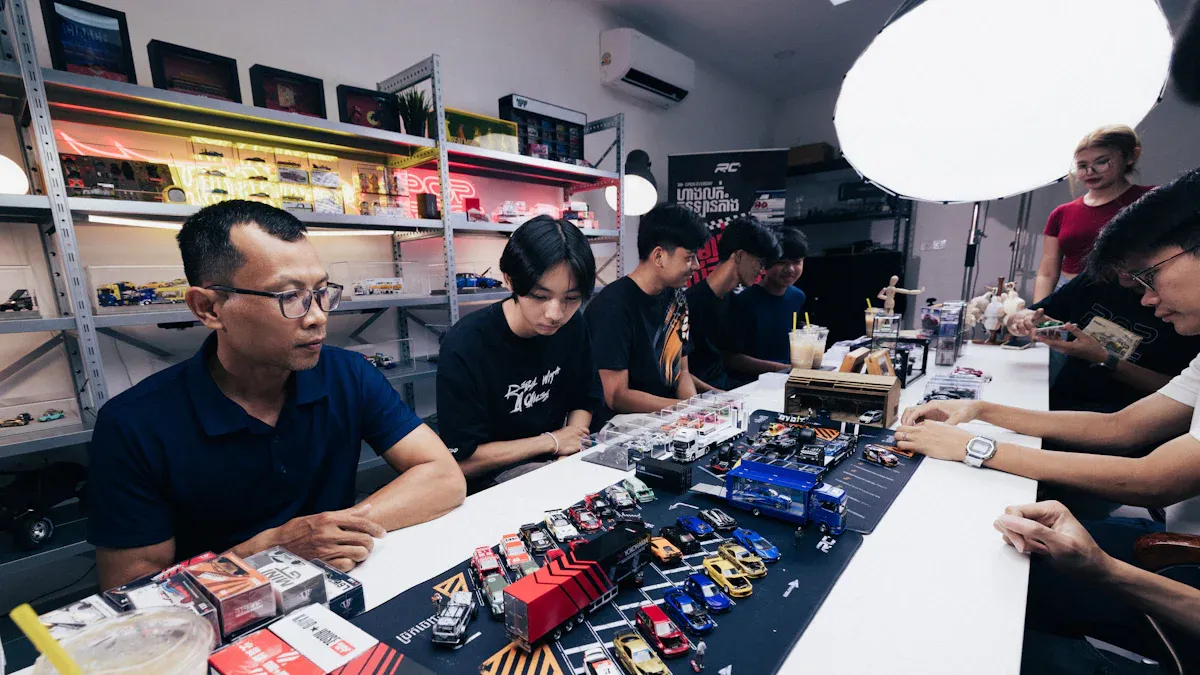
Start with process control. Ask each candidate how it handles mold accuracy, material flow during molding, and surface finishing. These three things decide whether every case fits like a professional product. Make sure the factory can give engineering feedback on wall thickness, material compatibility, mold structure, and assembly for multi-material designs. Good feedback catches design problems before production starts.
Check the quality control chain next. A serious factory inspects incoming material, watches production as it runs, fit-tests with real phones, checks surface finishing, and verifies packaging. Ask for a prototype before mass production. A sample confirms device compatibility, structural strength, and material performance while changes are still cheap to make.
Then ask for paperwork. Material and feature sheets should cover MagSafe or Qi2 alignment and any drop-test protocol. Named certifications, audit reports with IDs and valid dates, capacity ranges, lead times, and pricing tiers linked to MOQs all show process control. Having them and having them agree tells you more than any sales pitch.
Drop performance needs its own test. Independent trials from ladders, stairs, and concrete show real durability. Brands like Otterbox and Pelican set the standard here. Compare results against MIL-STD-810G and MIL-STD-810H.
Drop Test Parameter | MIL-STD-810G | MIL-STD-810H |
|---|---|---|
Drop surface | Plywood | Steel |
Drop height | 4 ft | 5 ft |
Number of drops | 26 | 26 |
Backing | Concrete | Concrete |
Each drop hits every face, edge, and corner, and the full sequence usually repeats three times with a check after each drop. Dual-layer construction — a rigid polycarbonate shell over a softer TPU inner layer — is the common way to beat these standards. X·ONE shows what mature engineering looks like: founded in 2009, more than 100 million units sold across 60+ countries, and over 180 patents, including Hybrid Polymer Impact Protection, DNA Guard 6m Drop Protection, and EnduraClear™ Anti-Yellow Tech.
Certifications separate serious suppliers from unreliable ones. Ask for proof of each.
Apple MFi approval — confirms the product meets Apple's strict standards
Qi wireless certification — ensures wireless charging works through the case
SGS testing — verifies safety and durability through outside checks
TÜV testing — confirms safety and reliability via independent testing
Request certification documents, patent numbers, and drop-test reports for every item. These signals matter just as much when you source specialty device screen protectors, tempered glass, or precision-cut films.
Cost comparison comes last, and several things drive it. Material choice matters: TPU, PC, silicone, recycled plastics, and leather all carry different price levels. Product structure adds cost — dual-layer rugged designs and air-cushion corners need more assembly steps. MagSafe parts, decoration like UV printing or soft-touch coating, tooling for new molds, custom retail packaging, and shipping method all change the final price. Compare quotes line by line against these drivers. A higher unit price often reflects better materials or tighter process control, not waste.
Weigh technical fit, compliance, and cost together when you pick suitable manufacturers. A supplier that scores well on all three earns a spot on your shortlist. Those that excel on price alone rarely make it past a second order.
Ask for 5–10 sample units for each major smartphone model before you commit. That amount lets you test on several devices and keep an extra one for comparison. Most suppliers give a free evaluation case, so your cost stays low.
The request process is easy. Fill out a request form that lists the films you want and your shipping address. A sales rep then contacts you to learn about your business needs and suggest good samples. Samples ship fast, often in about one business day. Test each film in real use, then order with confidence.
Run every sample through the same steps. Check the fit around the edges and the camera cutout. Make sure it is clear with no rainbow effect. Type on the device to judge touch sensitivity. Then drop it and watch how the protector breaks. A good screen protector cracks in a spiderweb pattern and stays stuck. Breaking apart in a bad way shows weak design. Test protective films and precision-cut films the same way, and add camera lens protectors to the batch.
A scoring sheet turns opinions into data. Score each criterion from 1 to 5 and compare suppliers side by side.
Criterion | What to Score |
|---|---|
Fit | Edge coverage, camera cutout alignment, no lift |
Clarity | No distortion, no rainbow rings, brightness loss |
Touch sensitivity | Response after install, smooth glide, no drag |
Drop performance | Failure mode, adhesion after impact |
Read hardness claims with care. The 9H label refers to the pencil hardness scale, not Mohs. Keys and coins will not scratch tempered glass, but sand and dirt can. Check thickness too: standard 0.33mm protectors suit ultra-thin cases, while 0.26mm options fit rugged phone cases better. Expect a 12–24 month lifespan from quality tempered glass. Score specialty device screen protectors and device screen protectors on the same sheet, and note whether a self-healing screen protector or self-healing hydrogel option fits your lineup. Compare third-party screen protectors against an official screen protector sample when you can. This habit builds real protection into your catalog.
Give your full model list and estimated total volume before you ask for a price. How much MOQ room you get depends on how many models the order covers. Ask if each model uses common tooling or dedicated tooling, and confirm if the MOQ applies per model or per order. Make sure you know whether tooling cost is inside the quote.
Item | Typical industry practice |
|---|---|
500–2,000 pcs per SKU | |
MOQ — dedicated tooling models | 3,000–10,000 pcs per SKU |
Payment terms — industry common | 30% deposit / 70% before shipment |
Standard sample cost | Free from ~72% of factories (you pay freight) |
Custom sampling fee | $15–50 per design, usually deductible against the bulk order |
Sampling lead time | 7–12 days |
Trial order premium (e.g., 100 pcs) | Commonly 25–40% surcharge |
Put payment ratios and milestones in writing. Lock packaging requirements into the same document. If your model demand is fragmented, think about block films plus an in-house cutting plotter to avoid per-model MOQ entirely. This approach works well for specialty device screen protectors and other device screen protectors with many variants. Buyers of mobile phone cases often miss this option.
Write committed lead times for standard purchase orders into the agreement. Stay away from vague language like "standard lead times apply." Add rush order capability and its pricing, escalation procedures for missed dates, and remedies such as price credits or expedited shipping at supplier cost.
Define acceptance criteria against a specification document, not "industry standard" language. Include an inspection window of ten to fifteen business days to inspect and reject product. Spell out rejection remedies: replacement at supplier cost, credit against future invoices, or refund. Assign non-conformance costs for rework and expedited replacement sourcing. Negotiate these terms for phone cases before you sign. These clauses protect your margin on phone cases and films alike. They also keep your protection claims honest across every shipment, and they give specialty device screen protectors the same scrutiny as any other product line. Strong protection terms on films and device screen protectors cut down on disputes later.
A steady rhythm keeps a good supplier relationship healthy. Set a fixed weekly or monthly call with your account manager. Agree on one channel for urgent issues and one for routine updates. Share your sales data and stock levels openly. Suppliers respond faster when they see your demand pattern.
Strong partners do more than just take orders. X·ONE, for example, helps distributors and retailers with material, training, marketing, exhibition, technical, and after-sales support. That kind of program turns a vendor into a business partner.
Support Category | What Partners Receive |
|---|---|
Material | Stable inventory of critical parts and low-cost consumables |
Training | Onboarding on operation, restocking, and basic maintenance |
Marketing | Co-branded collateral and a free customized ROI estimate |
After-Sales | Lifetime technical support and issues addressed within 24–48 hours |
"They don't just sell a machine; they provide a business solution with ongoing support, helping you navigate the core concerns of ROI, risk, and daily operation with confidence."
Ask every candidate about its partner program before you sign. A supplier with real support helps you sell phone cases and films with confidence.
Measure supplier performance with a small set of numbers. Review them every quarter and share the results with your supplier.
On-time delivery rate: (on-time deliveries ÷ total deliveries) × 100
Defect rate: (defective units ÷ total units delivered) × 100
Order accuracy: (correct orders ÷ total orders) × 100
Lead time: delivery date minus placement date
Track defect rates in parts per million for incoming material. Add qualitative scores for communication and flexibility. These metrics apply to specialty device screen protectors and device screen protectors just as they do to cases.
Keep a backup supplier for every core product. A single-source line stalls when a factory hits capacity or a mold breaks. Qualify a second source early, even with small trial orders. Specialist providers of films and protection gear often welcome this arrangement. Many specialists will hold a small standing allocation for you. That backup protects your protection claims and keeps your shelves stocked.
You now have a complete sourcing plan. Follow it step by step:
Set your case and film specs, order volume, and budget.
Find professional suppliers through trade shows, B2B platforms, directories, and referrals.
Judge each candidate on technical fit, compliance, and cost.
Ask for samples and score them on fit, clarity, touch, and drop performance.
Agree on pricing, MOQ, payment, lead times, and quality clauses in writing.
Keep the relationship strong with regular talks and tracked performance.
Start this week with one action. Shortlist three suppliers or order samples for your top model. Then move to the next step with confidence.
Put at least three candidates on your shortlist, and pick them from different channels. Compare each one on technical fit, compliance, and cost. Then order samples from the top two. This gives you a real backup and keeps your options open when you look for professional suppliers.
Many factories give free evaluation units, and you pay freight only. Custom designs usually come with a small sampling fee. That fee often gets taken off your bulk order later. Always confirm the sample cost and lead time in writing first.
Expect a 12–24 month lifespan from quality tempered glass. Check the topcoat and hardness claims during sampling. Score fit, clarity, touch sensitivity, and drop performance on one sheet. This habit keeps your protection claims honest.
Ask for Apple MFi approval, Qi wireless certification, SGS testing, and TÜV reports. Request patent numbers and drop-test results for every item. These documents separate reliable mobile phone cases manufacturing companies from the rest. Check each certificate's ID and valid dates.
Yes. A trial order lets you test quality before you make a big commitment. Expect a modest surcharge on small volumes. Use the trial to check films, fit, and packaging. Then scale up once the supplier proves consistent.
Join X.ONE to access our best-selling original product,and leverage our end to end technical and marketing support to unlock new growth opportunities for your business.
 Material Support
 Training Support
 Marketing Support
 Exhibition Support
 Technical Support
 After Sales Support